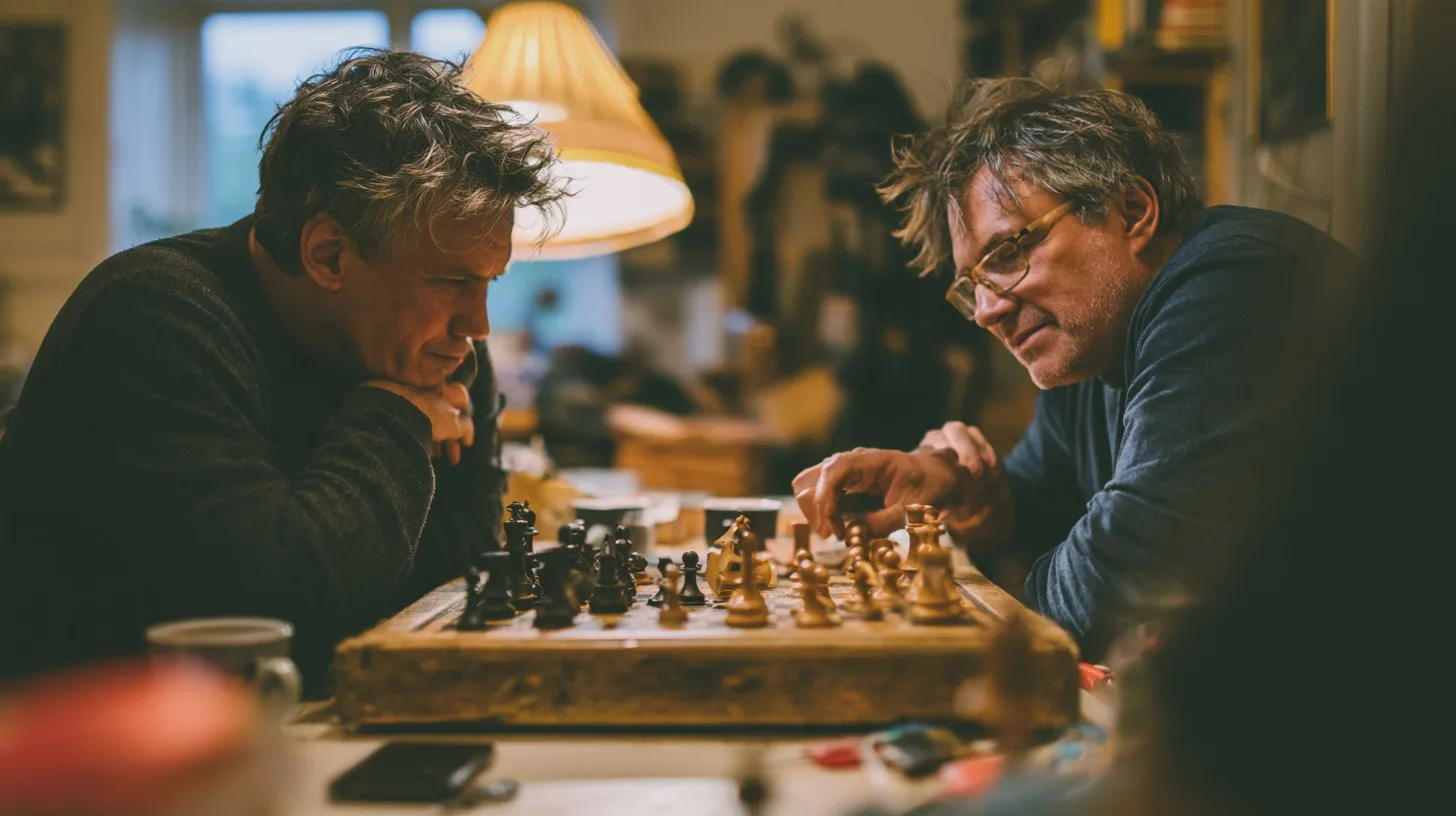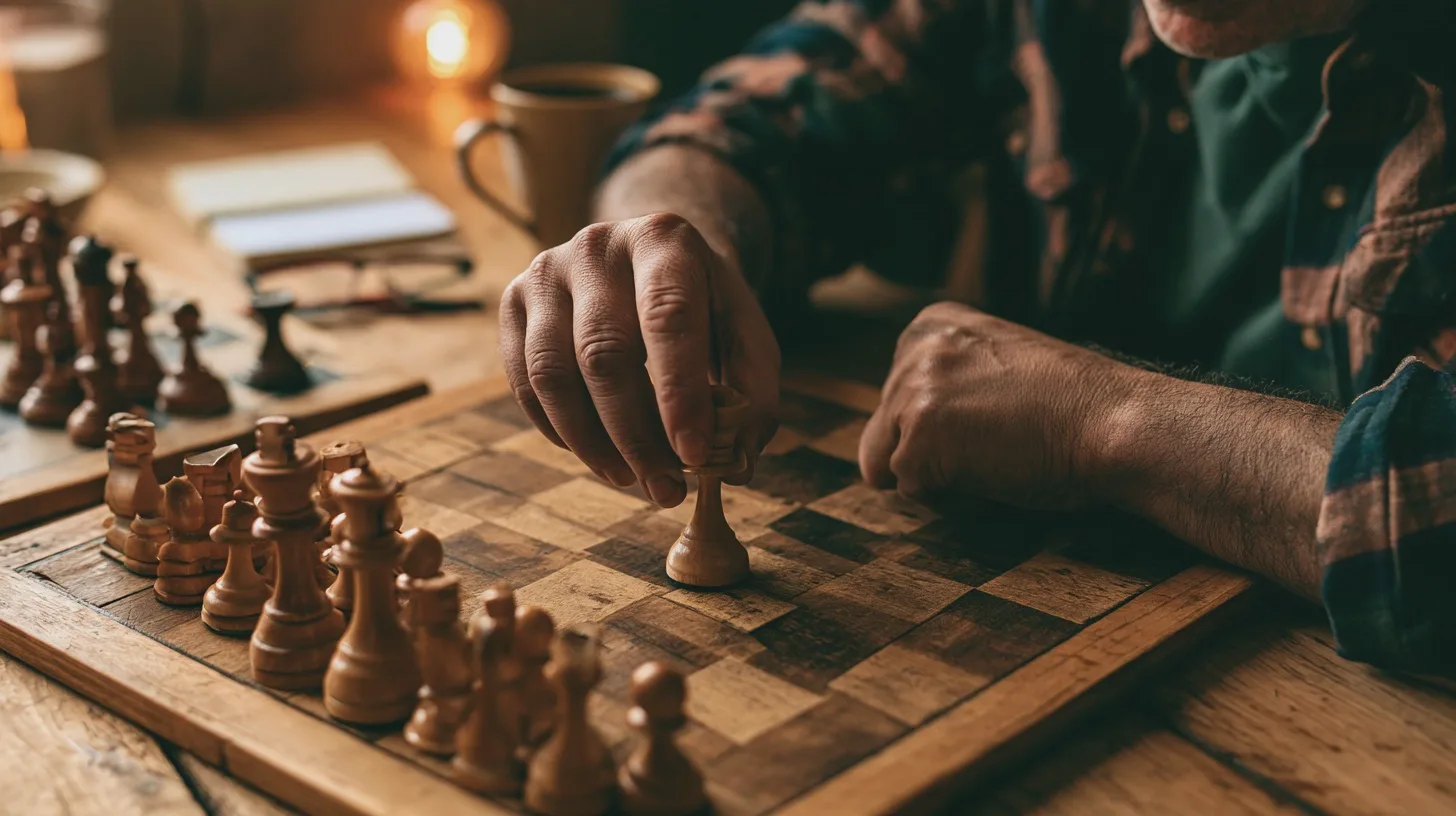
Chess after 50: does it really sharpen your brain?
Chess is often sold as a workout for the brain that might hold off dementia. Here is what the evidence actually shows, and why joining a club could still be the smart move.

Tag
10 articles
Chess is often sold as a workout for the brain that might hold off dementia. Here is what the evidence actually shows, and why joining a club could still be the smart move.
Oily fish, berries and greens get called brain food. Here is what the evidence really says about diet, memory and dementia risk in midlife, and what is worth doing.
Foggy, forgetful and running on four hours? How poor sleep affects memory and dementia risk in midlife, what the evidence says, and what to do about it.
Puzzles are fine, but learning a language, an instrument or a practical skill gives your midlife brain a much harder workout. Here’s what the evidence says, and how to start.
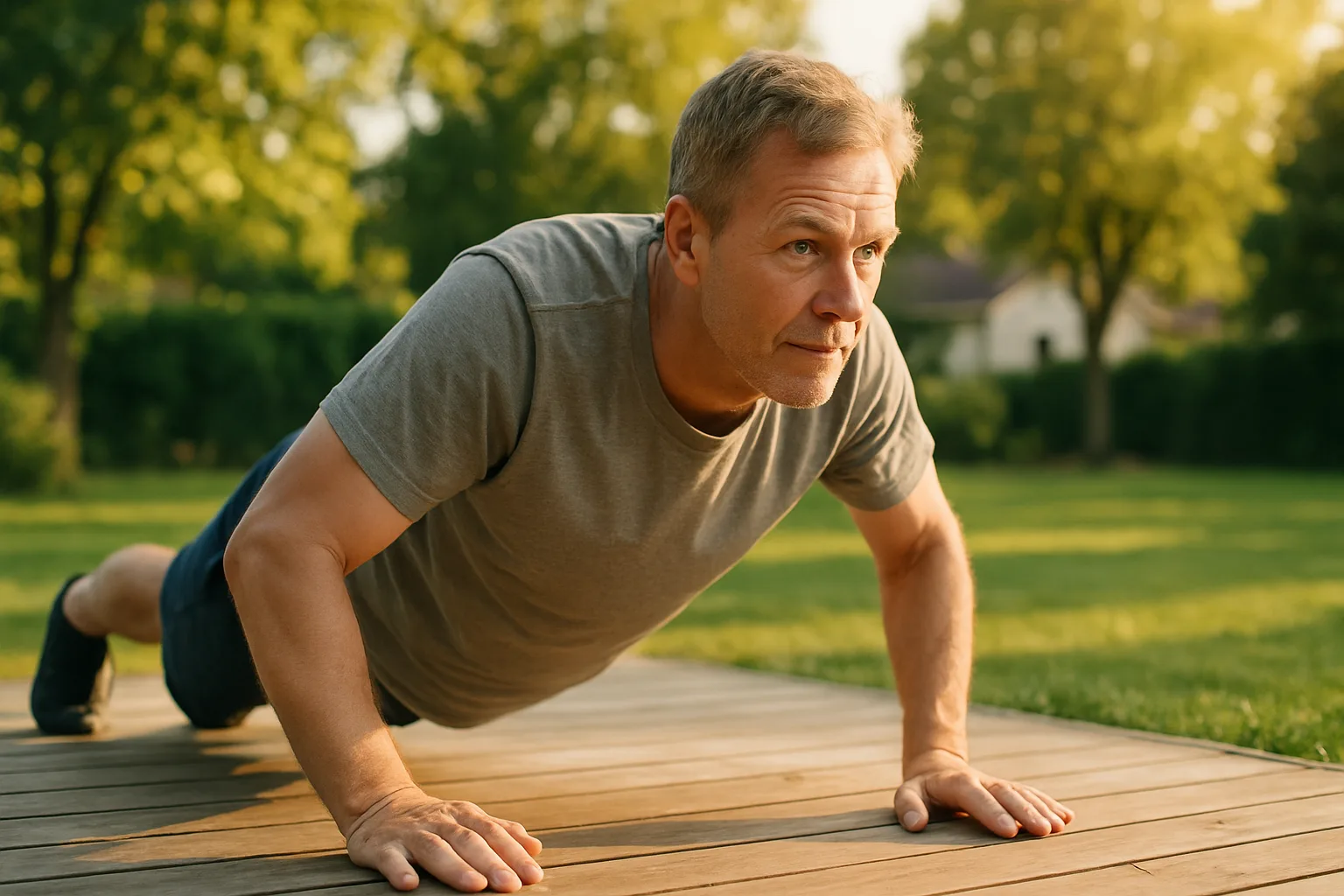
Your laptop gets updates without complaining. Your body and brain need upkeep too. Here’s how to keep sharp at work and at home after 50 using free NHS tools, parkrun and cheap gyms.
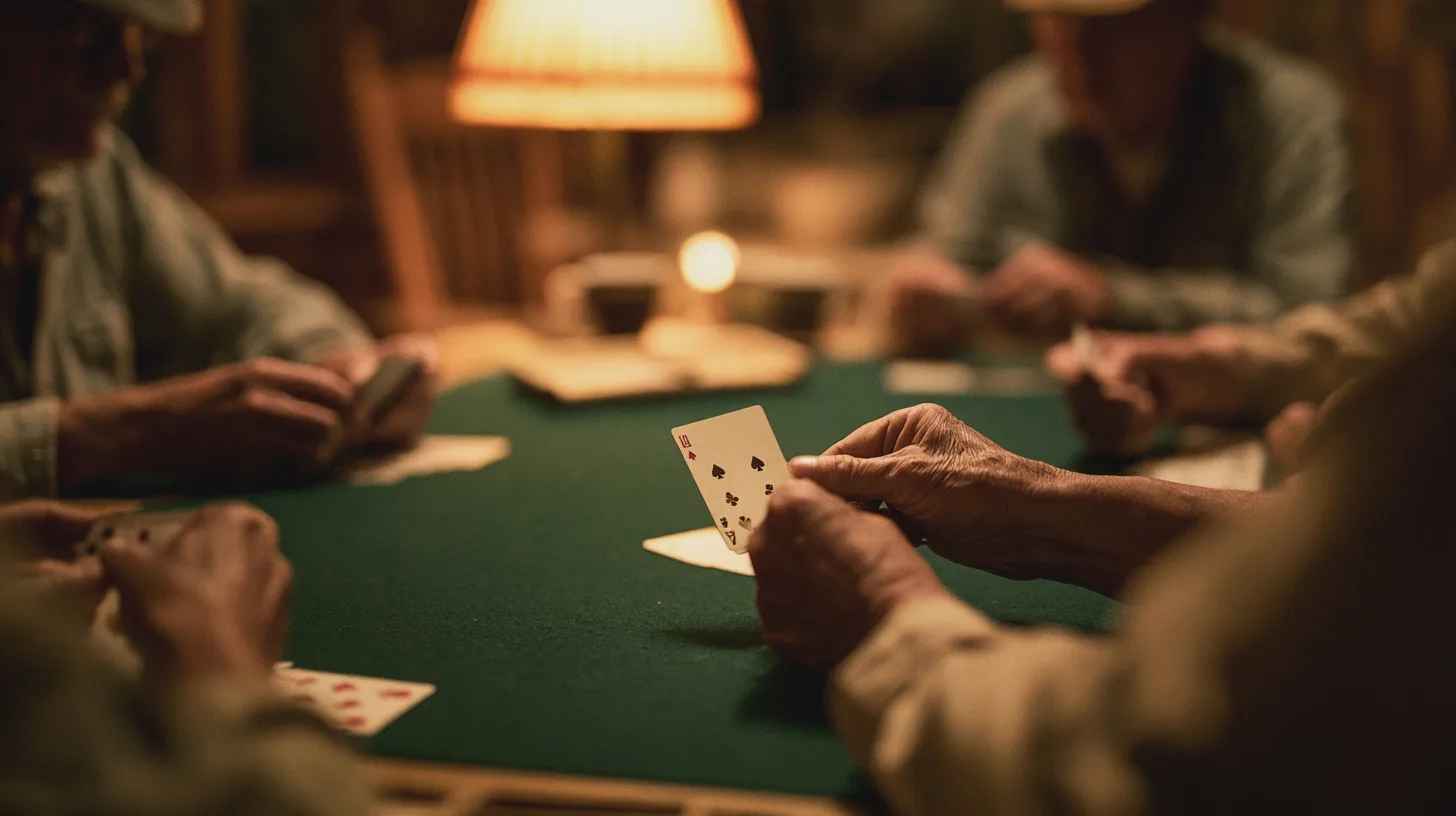
Bridge makes you think, plan and work with a partner. That is a good reason to play, but the evidence does not make it a defence against dementia.
Forgetting a name is one thing. Losing your way through familiar tasks is another. Here’s how to judge changes in memory and when to get help.
Losing a name mid-sentence is unsettling, but it rarely tells the whole story. Here’s how to spot a meaningful change and what to do about it.
A chess match or bridge night beats another evening scrolling. Whether either protects your brain is less certain — and the company might be doing half the work.
You let AI summarise a report, then trust its verdict. The first saves time; the second may cost you the judgement you meant to keep.