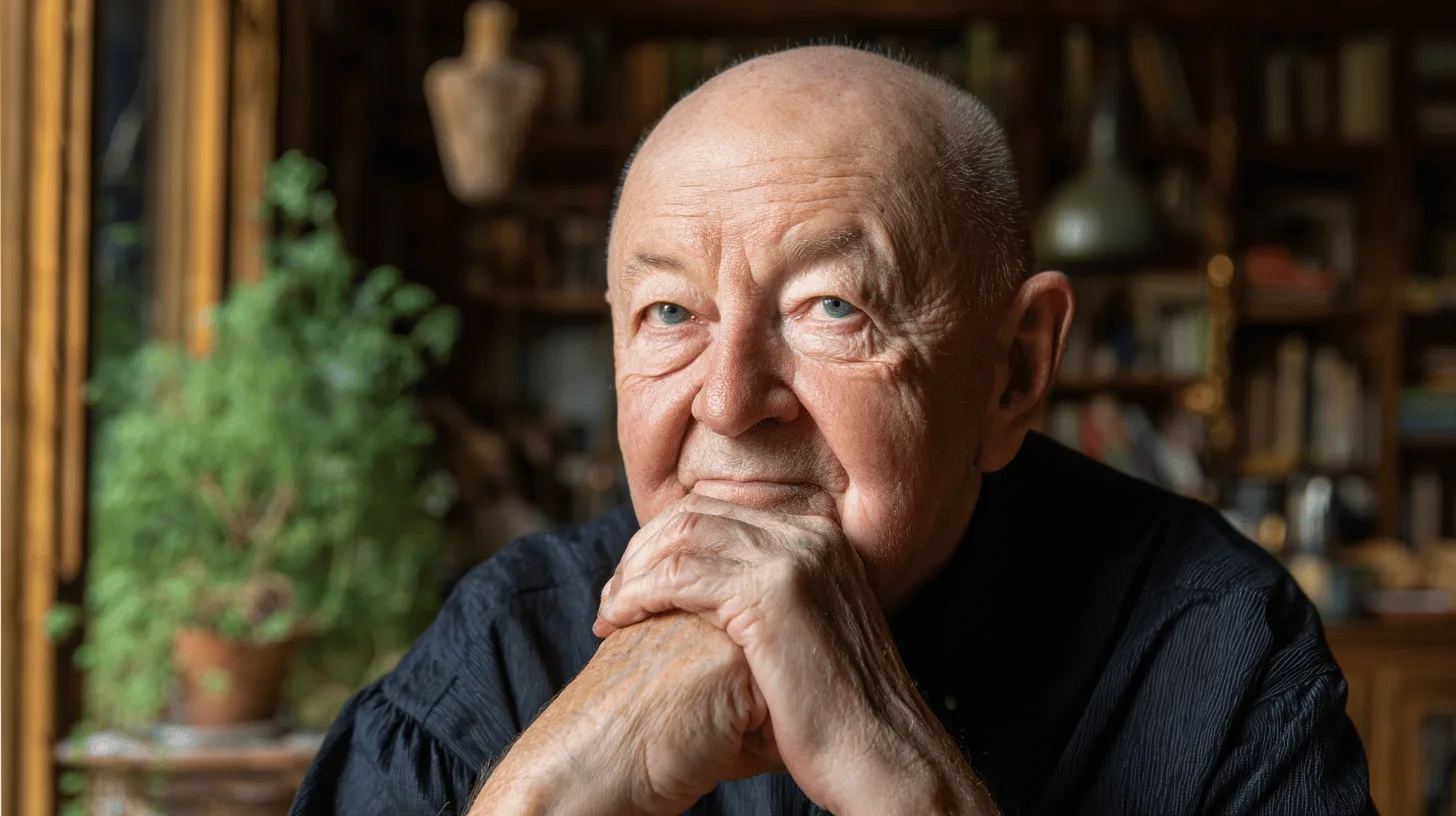
Somewhere in your house there’s a book of sudoku with a pencil tucked inside, half finished. It’s doing your brain about as much good as a gentle stroll is doing your legs. That’s not nothing, but it isn’t training either.
If you want a brain that’s still sharp at 75, the better bet is to get properly, frustratingly bad at something new and then slowly get better at it. Here’s why that works, how strong the evidence really is, and how to choose something you’ll actually stick with.

Does learning a new skill really keep your brain young?
The idea researchers keep returning to is called cognitive reserve. The Alzheimer’s Society describes it as building a stronger brain through lifelong mental stimulation, one that copes better with the effects of disease as you get older. Think of it as spare capacity. Two people can have similar changes in their brains, and the one with more reserve may show fewer symptoms, or show them later.
You build reserve by making your brain form new connections, and nothing does that like learning. Dementia UK makes the same point: mentally stimulating activities help keep existing neural pathways working and build new ones. Its list of suggestions includes hobbies such as woodwork and art, learning a language, reading and, yes, puzzles.
Here’s where the sudoku loses out. Once you’ve done a few hundred, you aren’t learning anything. You’re running a routine you already know. Your brain is very good at saving energy, and once a task becomes automatic it stops working hard at it. The benefit comes from novelty and difficulty, the clumsy early weeks when you feel slightly stupid.
How good is the evidence, honestly?
Better than hype, weaker than certainty. Most of the research is observational. It shows that people who do mentally stimulating things in midlife and later tend to have lower rates of cognitive decline and dementia. The Alzheimer’s Society is upfront that studies like these can’t prove the activity caused the lower risk. People who take up Spanish at 55 may also be healthier, better off and more sociable to begin with.
Trials, where people are randomly assigned to do something, are rarer. A review that pooled 51 of them found that three sessions a week of at least 30 minutes of brain training produced a small improvement in thinking and memory. Small, but real.
The most talked-about result comes from the American ACTIVE trial, which enrolled nearly 3,000 people aged 65 and over. Those who did a specific kind of computer-based speed training, which involves spotting things quickly on screen, had about a 25% lower risk of dementia over 20 years of follow-up. The memory and reasoning training in the same trial didn’t show that benefit. It’s one trial and one particular type of training, so it doesn’t mean any app on your phone will protect you. Still, it’s the strongest sign yet that mental training can have lasting effects.
Your brain gets nothing from the things you can already do. It changes when you’re struggling a bit with something new.

Which new skills are best for brain health?
The honest answer is the one you’ll keep doing. But some activities give you more for your effort, because they work several things at once.
Learning a musical instrument combines hearing, fine motor control, memory and reading music, and it gives you a clear way to see progress. Guitar, piano and drums are all fair game, and nobody needs to hear your first attempts at Wonderwall.
A language works your memory and your ear, and it gets more useful the moment you go to a class or a conversation group. That social side matters. In the 2024 update of the Lancet Commission on dementia, social isolation is one of 14 risk factors that can be changed. Together, the Commission says, these factors could account for nearly half of dementia cases worldwide.
Practical skills such as woodwork, bike maintenance, cooking a cuisine you’ve never tried or building furniture without the instructions involve planning, spatial reasoning and problem-solving. Bonus points if it’s done in a community workshop or a Men’s Shed rather than alone in the garage.
Then there are skills that get you moving: dancing, tennis, climbing, even learning to swim properly. Physical inactivity is also on the Lancet list, so an activity that makes you learn and move is doing two jobs at once. The message on GOV.UK is that what’s good for your heart is good for your brain.
How do I actually start, and stick with it?
Pick something slightly beyond you. If it’s easy, it won’t do much. If it’s impossible, you’ll give up by February. Aim for the middle, where you have to concentrate.
Put it in the diary. The trials that showed benefits used regular, repeated sessions, not one burst of enthusiasm. A couple of half-hour sessions a week is a sensible starting point.
Go public. A class, a club, a teacher or a mate doing it with you adds the social contact and makes you more likely to keep going. Libraries, adult education centres and local colleges across the UK run courses, and many are cheap or free. What’s on offer and what it costs depends on your local council and which nation you live in, so check locally.
Expect to be bad at it for a while. That’s not a sign you’re too old. It means it’s working.
Don’t forget the dull stuff
Learning a new skill isn’t a shield on its own. The same Lancet list includes high blood pressure, high LDL cholesterol, diabetes, smoking, drinking too much, hearing loss and untreated vision loss. Hearing matters more than most men realise. Dementia UK notes that many opticians and pharmacies offer free hearing checks, and your GP can refer you to NHS audiology if you need it.
In England, the free NHS Health Check for adults aged 40 to 74 looks at many of these risks. Since 2013, people over 65 have also been given information about the signs and symptoms of dementia. The programme only runs in England. In Scotland, Wales and Northern Ireland, ask your GP practice what checks are available to you.
If you or the people around you are noticing memory problems that are new or getting worse, don’t hope a ukulele will fix it. Book a GP appointment.
In short
Learning something new and hard, like an instrument, a language or a practical craft, challenges your brain in ways a familiar puzzle can’t, and it may help build the cognitive reserve that protects you as you age. The evidence is mostly observational, with a few encouraging trials, so think of it as one good habit among several, not a cure. Choose something that’s a bit of a stretch, do it regularly, ideally with other people, and keep on top of your blood pressure, hearing and general health too.
Sources

Midcent Health
Adrian Irving writes about health for men 45 and over who would rather do something than worry. Training, weight loss, sleep, cholesterol and blood tests, heart health, testosterone, the prostate, mental health and your sex life – what the evidence says, what's worth trying, and when it's time to see your GP.
One of Midcent's writers. Spotted something? Write to adrian@midcent.uk.