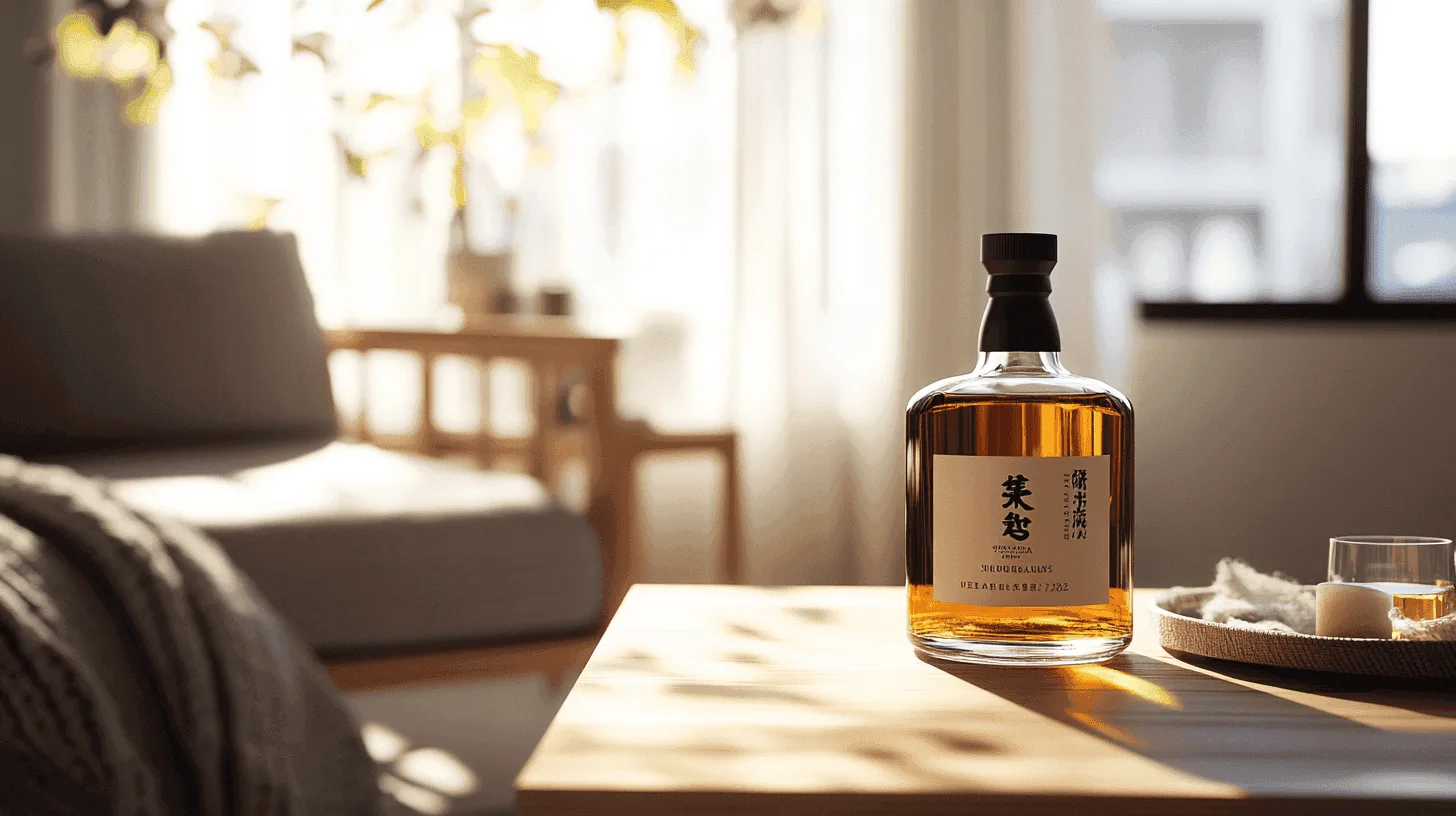
Twenty-five years ago, if you put a bottle of Japanese whisky on the table at a dinner party, someone would have asked whether it was a joke. Now it’s the bottle people quietly take a photo of.
Suntory is the name doing most of the heavy lifting. It’s Japan’s oldest whisky maker, and it has spent a century learning from Scotland and then going its own way. Here’s how to tell the bottles apart and what’s actually worth your money.
Who are Suntory and why does it matter?
The story starts in 1923, when Shinjiro Torii built Yamazaki, Japan’s first malt whisky distillery, on the outskirts of Kyoto. He picked the spot for its soft water and damp, misty air, which suits whisky maturing in cask. His first distillery manager was Masataka Taketsuru, who had learned the trade in Scotland and later went off to found Nikka, Suntory’s great rival.
So the Scottish influence is real. Copper pot stills, malted barley and oak casks all came from Scotland. What Suntory did next is the interesting part.
Scottish distilleries have long swapped casks of whisky with each other to make their blends. Japanese firms mostly don’t. If Suntory wanted variety, it had to make it in-house. That means different still shapes, different yeasts, different casks, all producing a big library of styles under one roof. The result is whisky that tends to be precise, clean and carefully balanced rather than big and brash.
The four bottles worth knowing
Yamazaki is the flagship single malt. Think fruit, honey, a touch of spice and, in the older bottlings, the sandalwood and incense notes of Mizunara, a Japanese oak that is notoriously hard to work with and very expensive. The 12-year-old is the classic, and it costs serious money now, often well over £100. The no-age-statement Distiller’s Reserve is the easier way in.
Hakushu is the green one. Built in 1973 deep in the forests of the Japanese Alps, it makes a fresher, more herbal malt with a gentle wisp of smoke. If you like lighter Speysiders or a softly peated island malt, start here.
Hibiki is the blend, launched in 1989, and the bottle with the 24 facets (one for each hour of the day and each of the old Japanese seasons). Japanese Harmony is the one you’ll find most easily: smooth, floral, honeyed and very hard to dislike.
Toki is the everyday blend, built to be mixed. It’s the cheapest bottle in the range, usually in the region of £30 to £40, and it’s light, citrusy and grassy. Don’t sip it neat expecting fireworks. Do put it in a highball.
Prices move around a lot, so shop around. Waitrose, Sainsbury’s and Tesco carry some of the range, and specialists such as The Whisky Exchange and Master of Malt stock the lot.
Is Japanese whisky actually made in Japan?
Not always, and this is the most useful thing you’ll read today.
For years Japan had no legal definition of whisky worth the name. Some bottles sold as Japanese whisky contained spirit imported from Scotland or Canada, blended and bottled in Japan. Perfectly legal, slightly cheeky.
In February 2021 the Japan Spirits and Liqueurs Makers Association brought in a voluntary standard. To be called Japanese whisky, it must be made from malted grain and Japanese water, fermented, distilled and aged in Japan for at least three years in wooden casks, and bottled in Japan at a minimum of 40% abv. Members had until the end of March 2024 to fall into line, and the association has since added a logo to help you spot compliant bottles.
Suntory’s core bottles meet the standard. But the shelves are full of other bottles with Japanese-looking labels, cherry blossom and brushstroke calligraphy. If the back label says “blended whisky” or “world whisky” and won’t say where it was distilled, assume it wasn’t all made in Japan.
Buy the distillery, not the calligraphy. If a bottle won’t tell you where the whisky was made, it’s probably hoping you won’t ask.
Can Japanese whisky really compete with Scotch?
Yes. But this isn’t a fight, and you don’t have to choose.
Scotland makes far more styles across far more distilleries, and good Scotch is still better value. For the price of a Yamazaki 12 you can buy two excellent Speyside or Highland malts of the same age. That gap exists because demand has outrun supply. Suntory famously took Hibiki 17 and Hakushu 12 off the market for a while because it simply didn’t have enough aged stock, and the old age statements still fetch silly money on the secondhand market.
Where Japan wins is finesse. The best Suntory whiskies are beautifully balanced, with nothing sticking out. They’re whiskies for people who like Scotch but sometimes find it a bit shouty.
My honest advice: buy one bottle of Hibiki Harmony or Hakushu Distiller’s Reserve, open it next to a Scotch you know well, and taste them side by side. You’ll learn more in twenty minutes than from any tasting note.
How do you drink it the Japanese way?
In Japan, the most popular way to drink whisky isn’t neat. It’s the highball, and done properly it’s a revelation.
Fill a tall glass right to the top with ice and stir to chill it. Tip away any meltwater, top up the ice, then add 35ml of Toki or Hibiki Harmony. Pour in about 105ml of very cold, very fizzy soda water down the side of the glass, so you get three parts soda to one part whisky. Give it one gentle lift with a bar spoon, no more, or you’ll knock the bubbles out. Finish with a twist of lemon peel.
It goes brilliantly with food: gyoza, yakitori, tempura, fried chicken, even fish and chips. The fizz and the citrus cut through fat the way a cold lager does, only with more interest.
For the expensive malts, go neat or with a few drops of water. Japanese drinkers also like mizuwari, whisky stretched with roughly twice its volume of still water and ice, which is lovely on a warm evening.
Enjoy it, don’t overdo it
The UK Chief Medical Officers advise drinking no more than 14 units a week, spread over three or more days. A 25ml pub measure of 40% whisky is one unit; a 35ml highball is about one and a half. A 70cl bottle at 43% holds around 30 units, so savour it.
If you live in Scotland or Wales, minimum unit pricing applies there, though it barely touches whiskies at these prices.
On a night off, make the highball without the whisky: cold roasted barley tea (mugicha, sold in Japanese grocers and online) topped with soda and lemon has the same toasty, refreshing feel. Several alcohol-free whisky alternatives are now sold in the big supermarkets too.
In short
Suntory’s Yamazaki, Hakushu, Hibiki and Toki earn their place alongside Scotch with balance and finesse rather than power, though scarcity means you’ll pay more for them. Start with Toki in a highball or a bottle of Hibiki Harmony, and only move up to the age-statement malts if you fall for it. Check that the label says the whisky was made in Japan, and keep it to the 14-units-a-week guideline.
Sources

Midcent Food & Drink
Angus Irvine writes about food and drink for men 45 and over who like to eat well but don't want a performance. Recipes that work on a weeknight, dinners worth the effort at the weekend, what to pour with them – wine, beer and the good alternatives – and the restaurants and pubs worth the trip. Without the fuss.
One of Midcent's writers. Spotted something? Write to angus@midcent.uk.