A tasting menu, a sommelier hovering nearby and enough cutlery to perform minor surgery. For a lot of us, booking somewhere properly smart brings on a low-level dread we last felt at a school prize-giving.
Relax. Modern British fine dining is far less buttoned-up than it was when your dad was sent away for not wearing a tie. Most of the old rules have gone. The few that matter all come down to being considerate, and you already know how to do that. Here’s how to look like you eat this way every Friday, even if you don’t.

What should you wear to a fine-dining restaurant in the UK?
Dress codes have shrunk at most of the country’s best restaurants. Plenty of places in the Michelin Guide and The Good Food Guide now say nothing at all, and you’ll see open collars on every table. A few traditional London dining rooms and hotel restaurants still ask for jackets, and some members’ clubs stick to the old ways too.
So check the restaurant’s website or booking confirmation, and if it says nothing, ring and ask. Nobody will think less of you for asking. They will notice if you turn up in shorts.
When in doubt, go for smart-casual done well: a decent jacket, a pressed shirt, proper trousers and polished shoes. You can take a jacket off once you’re seated, but you can’t conjure one out of nowhere. Trainers are fine at a lot of places these days. Clean, plain leather ones, though, not the pair you mow the lawn in.
The small stuff that actually matters at the table
Forget the etiquette books. Front-of-house staff don’t judge you on which fork you pick up. They notice whether you’re pleasant, on time and off your phone.
Turn up when you said you would. Many smart restaurants run tight sittings, and a table that turns up 25 minutes late knocks the whole kitchen off rhythm. If you’re running late, phone them. If you need to cancel, do it in good time. Most top places now take a card deposit or charge a fee for no-shows, so read the terms when you book.
As for the cutlery, start from the outside and work in. That really is all there is to it. Better still, the staff will usually clear and reset your cutlery between courses, so you only ever have what you need. Put the napkin on your lap when you sit down. If you leave the table, put it on your chair, and fold it loosely by your plate when you’ve finished. Lay your knife and fork together on the plate when you’re done, and the staff will know to take it away.
Phones go in your pocket, face down and on silent. One quick photo of a dish that’s worth it is fine at most places now. Using the flash at every course while the table next to you is trying to have an anniversary is not.
How do you deal with the sommelier without feeling daft?
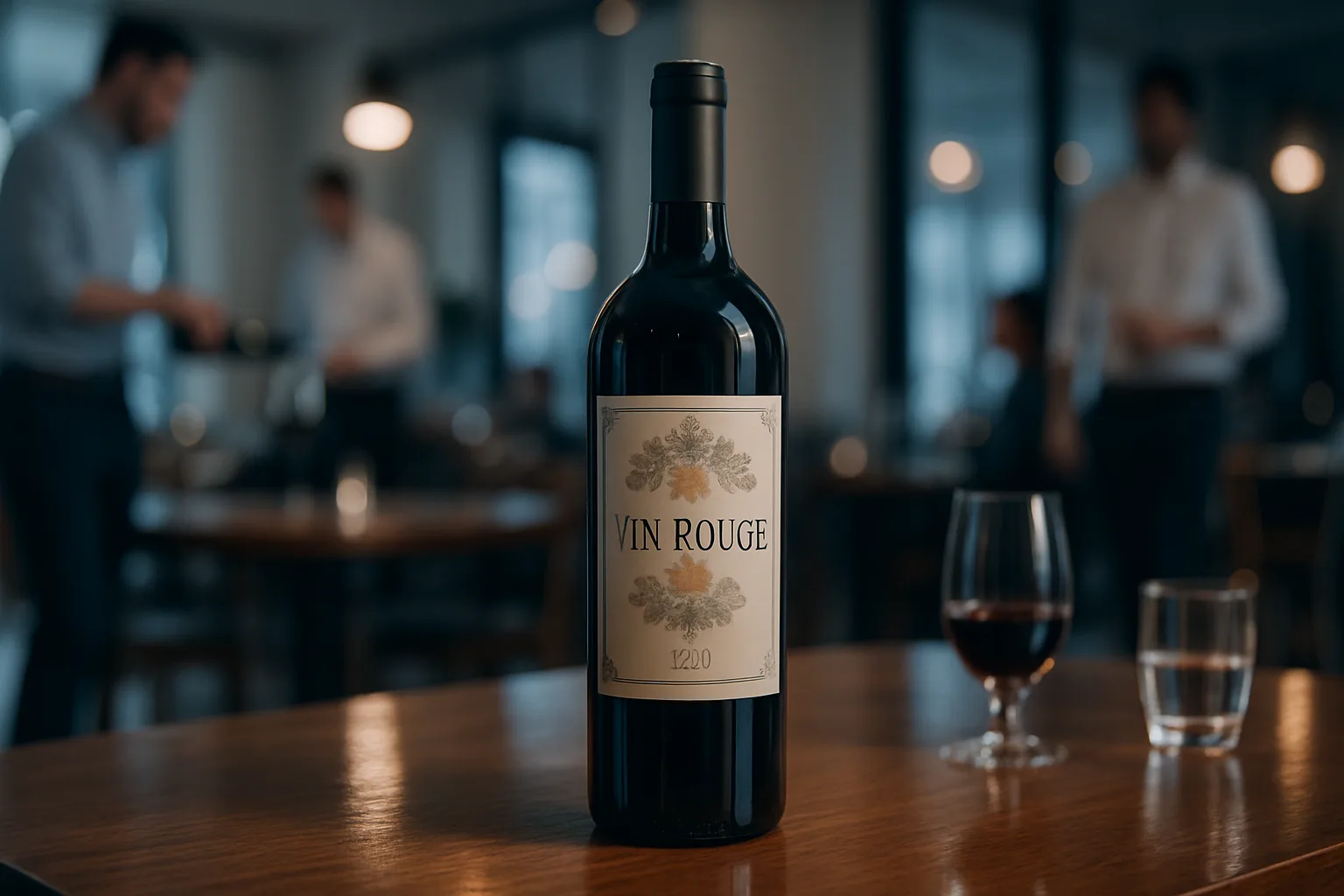
This is the bit that unsettles most people, and it needn’t. A good sommelier isn’t there to show you up. Their job is to find you a bottle you’ll enjoy, at a price you’re comfortable with.
Tell them what you like (‘something dry and fresh’, ‘a big red, nothing too oaky’) and point to a price on the list. Point at the number, don’t say it out loud. Every decent sommelier understands that gesture and will steer you to that price or near it. You get what you want and your guest never sees the figure.
Real sophistication is being comfortable enough to ask a question. Bluffing fools nobody, least of all the sommelier.
When they pour a splash for you to taste, you aren’t being asked whether you like the wine. You’re checking it isn’t faulty. Have a sniff, and look for that wet-cardboard, musty smell that means the wine is corked. If it smells clean, a nod and a ‘lovely, thanks’ will do. No swirling theatrics required. If something really is off, say so politely. A good restaurant will swap it without fuss.
Pace yourself, too. A tasting menu with a full wine flight can add up to a lot of alcohol over an evening. The UK Chief Medical Officers advise no more than 14 units a week, spread over three or more days. Many sommeliers will happily pour half-measures of a pairing if you ask. The best restaurants also now offer proper alcohol-free pairings: house-made sodas, kombuchas, teas and good zero-alcohol wines. These days that’s a perfectly respectable choice, not a forfeit.
Should you tip at a posh restaurant in the UK?
Most smart restaurants add a discretionary service charge to the bill. In London it’s often 12.5%. If it’s there, you don’t need to leave anything on top. A cash tip for staff who’ve been outstanding is a kind gesture, but it’s never expected.
The rules on where that money goes have also improved. Since 1 October 2024, the Employment (Allocation of Tips) Act 2023 has required employers in England, Scotland and Wales to pass all tips, gratuities and service charges on to their workers in full, without deductions. A statutory code of practice sets out how the money should be shared fairly. Northern Ireland isn’t covered by the Act, so if you’re dining in Belfast and wondering where the service charge goes, it’s fair to ask.
A discretionary charge is just that: discretionary. If the service really was poor, you can quietly ask to have it taken off. Don’t make a scene. Have a calm word with the manager. Just don’t use it as a way of knocking a tenner off a perfectly good evening.
Relaxed, not sloppy: how to strike the balance
The trick is to stop treating the meal as an exam. Chat to the staff and ask what’s in the sauce, or where the lamb comes from. Chefs love an interested diner, and you’ll often get a better evening for it, sometimes with an extra course.
Tell the restaurant about allergies and dietary needs when you book, not as the bread arrives. Since 2014, food businesses have had to be able to tell you about any of the 14 major allergens in their dishes, so ask clearly and expect a clear answer.
If you don’t know what something is, ask. If you drop a fork, leave it and let the staff bring you another. Don’t crawl under the table after it. And if the meal is brilliant, say so on your way out. That costs nothing and it’s what the people who work there remember.
In short
Good fine-dining manners in Britain come down to consideration, not ritual: check the dress code, arrive on time, keep your phone away and work your cutlery from the outside in. Tell the sommelier what you like and point to a price, and taste the wine only to check it isn’t faulty. If there’s a discretionary service charge you don’t need to tip on top, and in England, Scotland and Wales the law now says staff must get all of it. Ask questions, enjoy yourself and pace your drinking.
Sources

Midcent Food & Drink
Angus Irvine writes about food and drink for men 45 and over who like to eat well but don't want a performance. Recipes that work on a weeknight, dinners worth the effort at the weekend, what to pour with them – wine, beer and the good alternatives – and the restaurants and pubs worth the trip. Without the fuss.
One of Midcent's writers. Spotted something? Write to angus@midcent.uk.