Seven rustic dinners that make a filthy night worth it
Seven proper British comfort dinners for when the rain is coming in sideways, from Lancashire hotpot to cullen skink, plus the wine, beer and cider to pour with them.
Reviewed, edited and approved by Editor-in-chief Daniel Sköld · Updated 24 October 2026
Contents
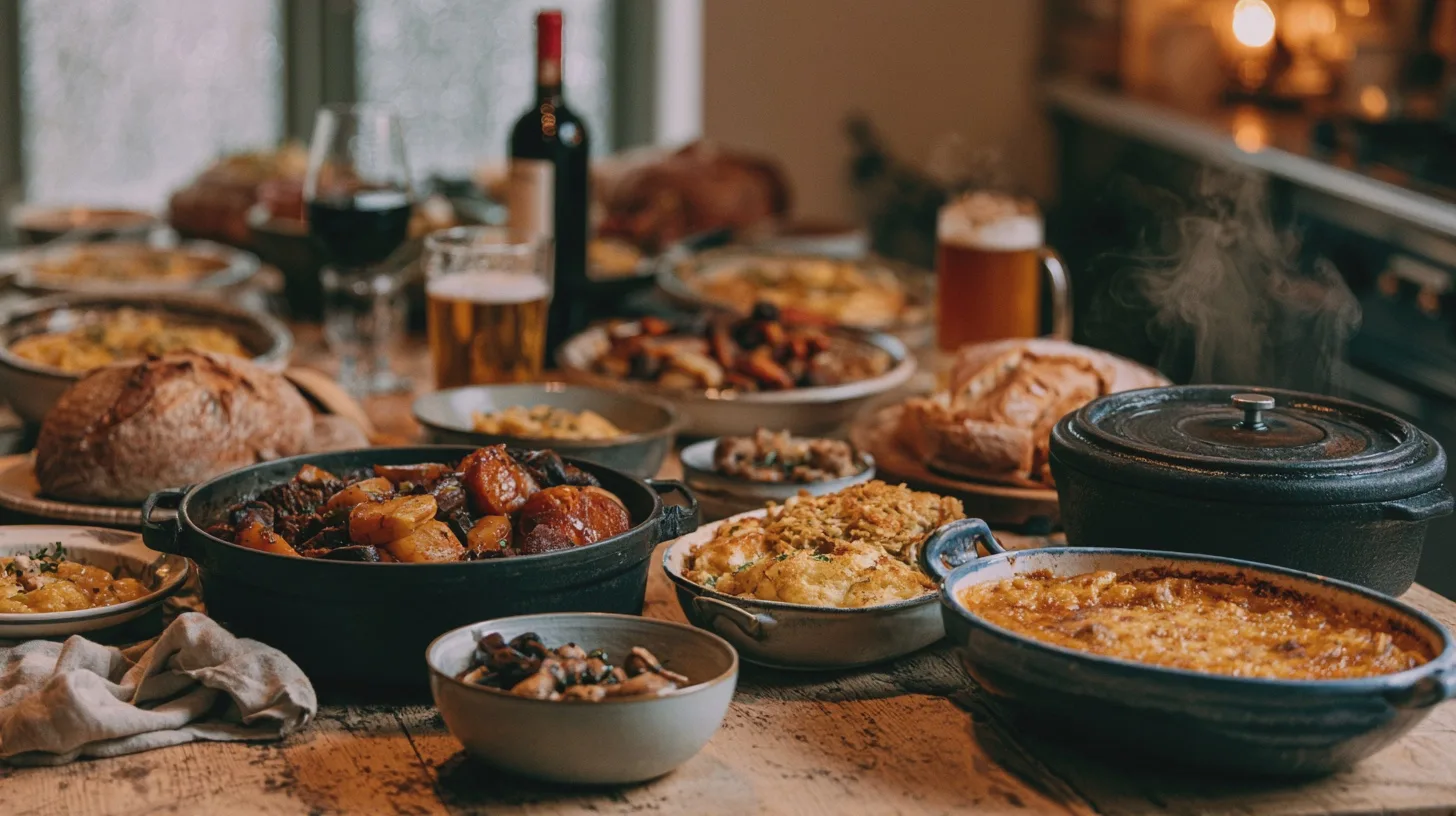
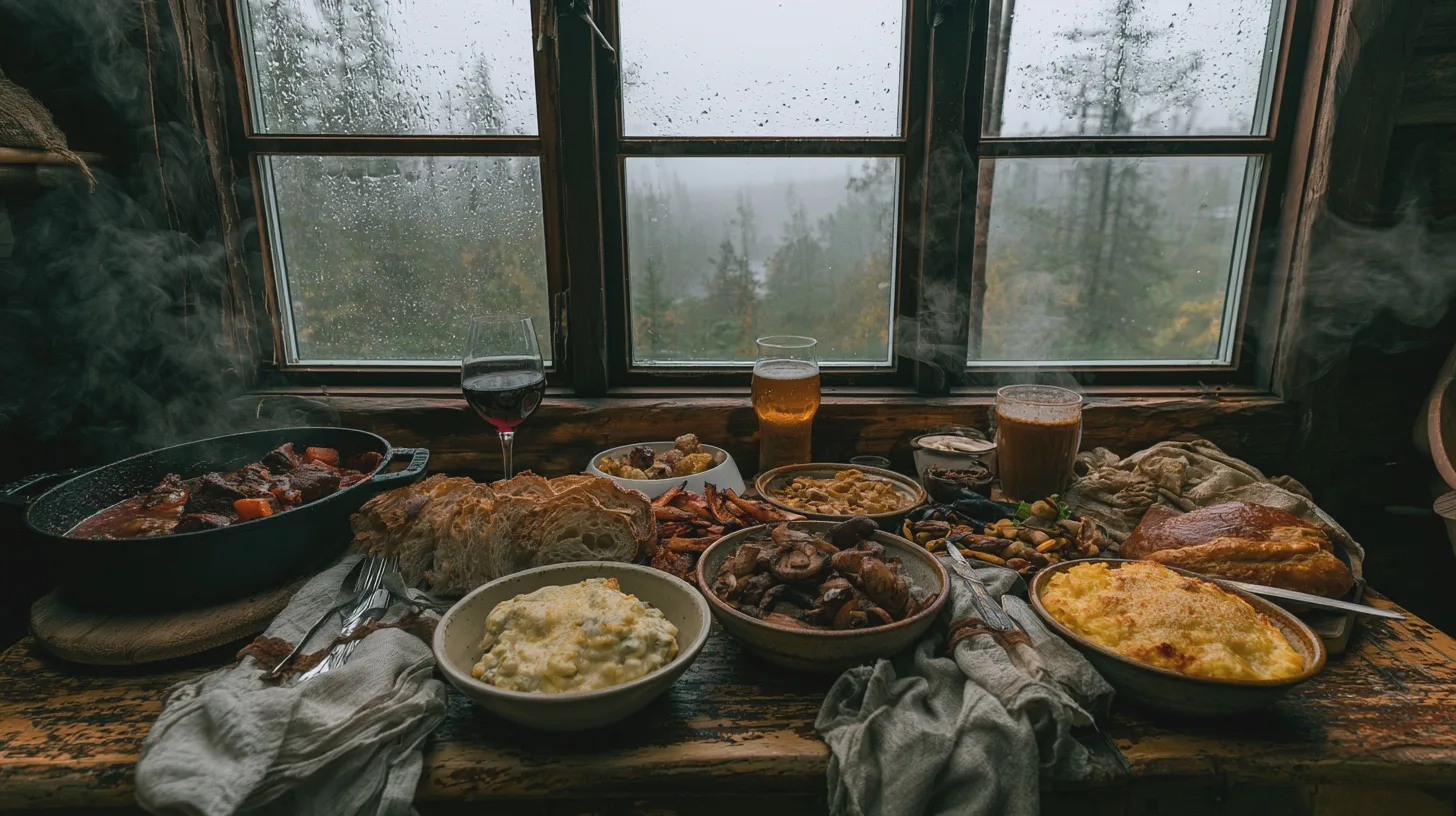
There is a particular kind of British evening, sometime between the clocks going back and the first Christmas advert, when the rain comes in sideways and going out feels like a punishment. You could fight it. Or you could shut the curtains, put the oven on and let the weather do you a favour.
Here are seven rustic dinners that suit exactly that sort of night. None of them is hard work. Most of the cooking is done by the oven while you do nothing at all, and every one of them tastes better because it is foul outside.
AD
The low and slow trio: hotpot, oxtail and steak and ale
Start with the Lancashire hotpot, the dish that kept the mill towns going. Lamb or mutton, onions and a lid of thinly sliced potato, baked slowly in a deep pot. It was a northern dish until it turned up in The English Cookery Book in 1859, and after that the rest of the country wanted it too. Use about 900g of lamb neck or shoulder for four people. Brown it in batches, soften the onions, add a spoonful of flour, a dash of Worcestershire sauce and enough stock to come almost to the top, then layer on 750g of floury potatoes such as Maris Piper or Desirée, sliced as thinly as you can. Cook it covered at 160°C (fan 140°C, gas 3) for about two hours, then take the lid off for the last half hour so the top goes crisp and golden. Pickled red cabbage on the side is not optional.
Oxtail is the cut for patient people. Your butcher will sell it in rounds, and it costs a fraction of a fillet. Dust 1.5kg in seasoned flour, brown it hard, then braise it with carrots, celery, a bottle of red and some stock at 150°C (fan 130°C, gas 2) for three to four hours, until the meat falls off the bone. Make it the day before. Once it has cooled, the fat sets on top and lifts off in one piece, and the flavour deepens overnight.
Steak and ale stew is the pub classic you can do better at home. Buy beef shin or chuck, not anything sold as stewing steak with no name on it. Shin is full of connective tissue that melts into the sauce over three hours at 150°C (fan 130°C, gas 2). Use a 500ml bottle of dark ale or porter instead of wine. Twenty-five minutes before the end, drop suet dumplings on top (100g self-raising flour, 50g suet, a pinch of salt and enough cold water to make a soft dough), then put the lid back on so they steam and swell.
Faster comfort for a wet Wednesday
Not every night allows four hours. Toad in the hole takes 45 minutes and makes everyone happy. Whisk 140g plain flour with 3 eggs and 175ml milk and let the batter rest. Brown eight good butcher’s sausages in a roasting tin with a few tablespoons of oil at 220°C (fan 200°C, gas 7), then pour the batter into the smoking-hot fat and shut the door. Leave it shut for 25 to 30 minutes. Opening the oven is how you end up with a pancake. Make a proper onion gravy while it cooks.
Pork and cider casserole is the West Country’s answer to the French bistro. Brown 1kg of diced pork shoulder, add onions, two sliced apples, a tablespoon of wholegrain mustard and 500ml of dry cider, and give it about two hours at 160°C (fan 140°C, gas 3). Stir in a splash of double cream at the end. Mash is the obvious partner, and so is a hunk of bread.
Chicken, leek and bacon pie takes an hour from start to finish if you buy ready-rolled all-butter puff pastry, which every supermarket sells and nobody needs to apologise for. Fry bacon lardons, soften three sliced leeks in the fat, add 600g of diced chicken thigh, then make a quick sauce with flour, stock and a little crème fraîche. Let the filling cool slightly, top it with pastry, brush it with egg and bake at 200°C (fan 180°C, gas 6) for 25 to 30 minutes.
Finally, cullen skink, the smoked haddock soup from the Moray coast. Poach 400g of undyed smoked haddock in 500ml of milk, simmer diced potato and onion in the poaching liquid, flake the fish back in and crush a few of the potatoes to thicken it. It takes half an hour and tastes like the North Sea in the best possible way.
The cheap, ugly cuts make the best stews. Spend your money on the time instead of the meat.
AD
What should you drink with a stew?
Match the weight of the drink to the weight of the dish. Hotpot wants something soft and peppery rather than tannic, so try a Côtes du Rhône or a cru Beaujolais such as Morgon. Oxtail can take more: a Rioja Reserva or a Douro red has the structure to stand up to all that gelatin.
With steak and ale, drink the beer you cooked with, or a stout. Roasted malt and a long-braised sauce are made for each other. Toad in the hole is a best bitter dish, ideally a cask one from your local brewery. With the pork, open a bottle of the same dry cider from Somerset or Herefordshire. The chicken pie suits an oaked Chardonnay or a white Burgundy, and with cullen skink a crisp Albariño works, or a small measure of peaty Islay whisky afterwards if you are feeling Scottish about it.
For something warming, mulled cider beats mulled wine. Gently heat a litre of cloudy cider with a cinnamon stick, a few cloves, a strip of orange peel and a spoonful of honey. Do not let it boil, or you will cook off the good bits and leave the sweetness.
A word of moderation. The UK Chief Medical Officers advise no more than 14 units a week for men and women, spread over three or more days with some drink-free days. A pint of 5% ale is close to three units on its own. The good news is that alcohol-free beer has stopped being a punishment. Brewers such as Lucky Saint and Guinness, with its 0.0 stout, make versions that sit happily next to a stew, and a sparkling apple juice from a decent orchard works well with the pork.
Can you make stew ahead and freeze it?
Yes, and you should. Slow-cooked dishes are at their best a day after you make them. Cool what is left quickly, splitting it into shallow containers if need be, and get it into the fridge within a couple of hours, as the Food Standards Agency advises. Eat chilled leftovers within two days, or freeze them.
Hotpot, oxtail, steak and ale and the pork casserole all freeze well for up to three months. Freeze dumplings and pastry separately, or better still, make them fresh. Defrost in the fridge overnight and reheat until it is steaming hot all the way through. Only reheat it once.
Cullen skink is better made fresh, because potatoes in a milky soup go grainy in the freezer. That just gives you a reason to make it again.
In short
The best answer to a wet British autumn night is a slow, rustic dinner: Lancashire hotpot, oxtail, or steak and ale with dumplings if you have the time, and toad in the hole, pork and cider, chicken pie or cullen skink if you don’t. Buy the cheaper, harder-working cuts, cook them low and slow, and make extra for the freezer. Drink something that matches the weight of the dish, keep within 14 units a week, and remember that good alcohol-free beers now make a perfectly respectable partner.
Angus Irvine writes about food and drink for men 45 and over who like to eat well but don't want a performance. Recipes that work on a weeknight, dinners worth the effort at the weekend, what to pour with them – wine, beer and the good alternatives – and the restaurants and pubs worth the trip. Without the fuss.
One of Midcent's writers. Spotted something? Write to angus@midcent.uk.
Seared scallops on silky cauliflower purée with curry butter looks like it came from a Michelin kitchen. In reality it takes about 30 minutes and very little skill.
Homemade ravioli takes flour, eggs, a rolling pin and an unhurried Sunday afternoon. Here’s the dough, three fillings, the sauce and the wine, with UK shopping notes.
Red with meat and white with fish? Not necessarily. Here’s a practical guide to choosing wine for the food you actually cook, without turning dinner into an exam.