Britain’s gin frenzy has cooled, but the choice it left behind is worth exploring. Here’s how to pick a bottle, make a better G&T and ignore the gimmicks.
Reviewed, edited and approved by Editor-in-chief Daniel Sköld · Updated 25 October 2026
Contents
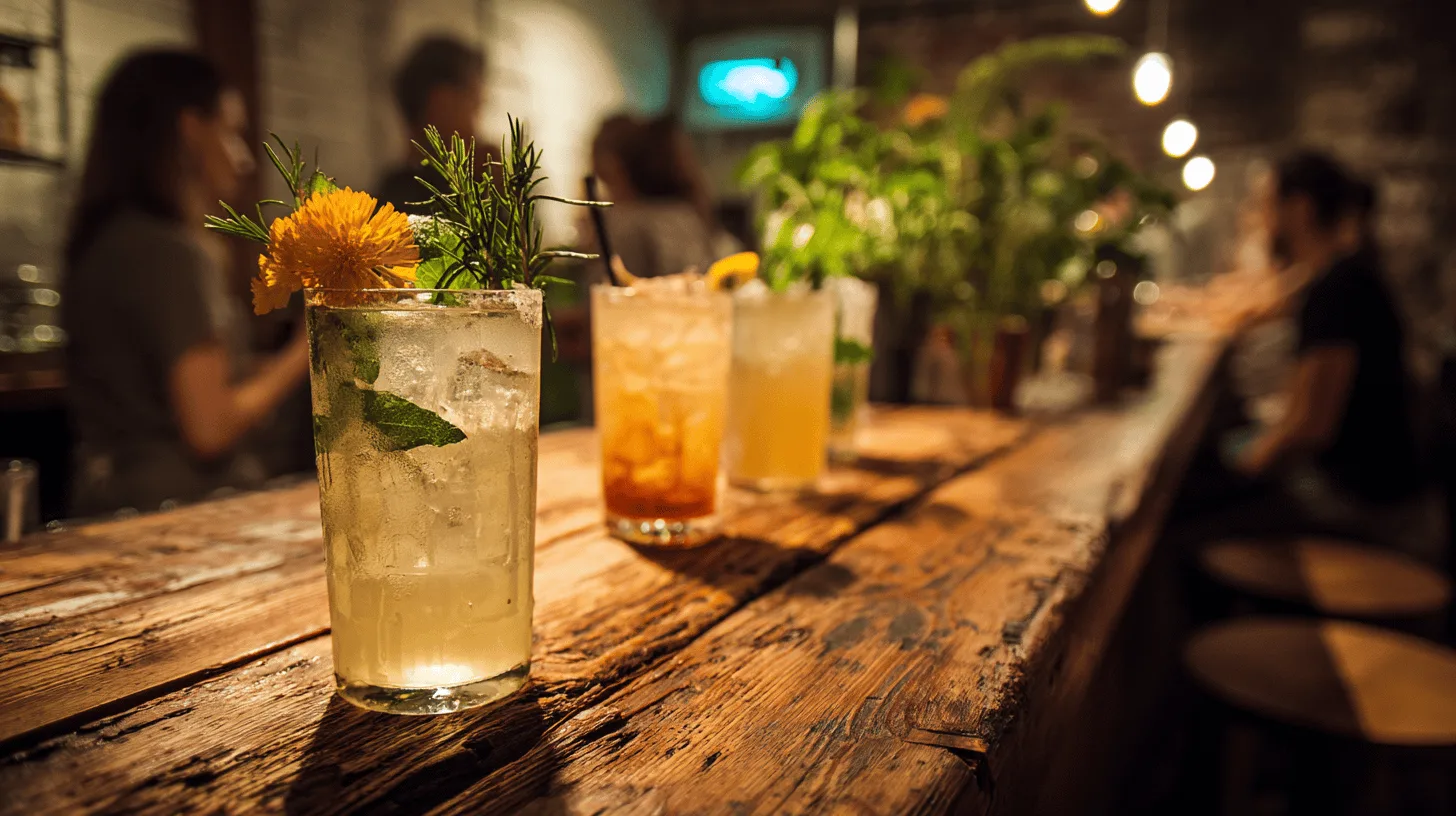
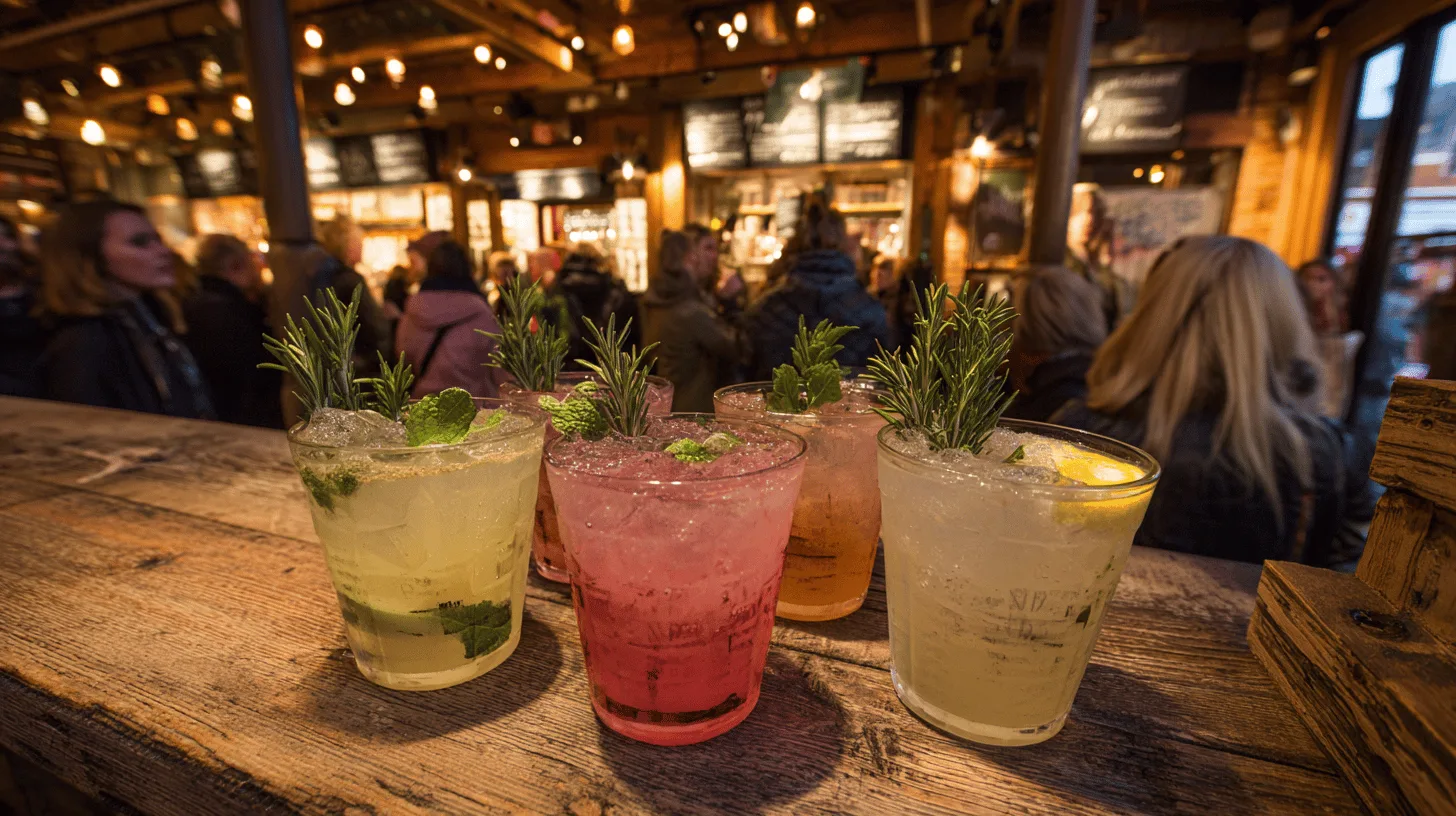
There was a spell when every British pub seemed to acquire a gin menu, a balloon glass and a garnish that looked suspiciously like a salad. Juniper had escaped the back bar. Then came the pink bottles, the novelty bottles and, eventually, the question: do you actually like what’s in your glass?
That’s a more useful question than whether gin is still fashionable. The boom gave you plenty to choose from; its cooling has made it easier to choose well.
AD
Why did Britain go so mad for gin?
The scale of it was real. The Wine and Spirit Trade Association (WSTA) reported that more than 83 million bottles of gin were sold in the UK in 2019, worth around £2.6 billion. It identified 2018 as a particularly frantic year, when sales volume rose 42% and value rose 50%. Those figures cover a moment, not a promise that the same pace could last forever.
New distillers helped turn gin from one familiar order into a shelf full of choices. A producer could build a recognisable house style around citrus, herbs, spice or local botanicals, while the G&T gave drinkers an easy way in. You didn’t need a lecture or a collection of obscure glassware. You needed ice and tonic.
The boom also became a retail spectacle. Flavoured gin made a colourful gift; bars could offer a different garnish with every pour. Some of that experimentation was excellent. Some tasted as though the fruit had been invited to drown out the gin.
Cooling demand does not mean disappearing demand. In its report covering the 12 months to 7 September 2024, the WSTA put UK shop sales at around 54 million 70cl bottles, down 12% on the preceding year. Flavoured gin fell faster, by 22% in volume. That is a useful correction to the old claim that every new flavour will be the next big thing. It is not a reason to abandon a good London dry.
What makes a gin worth buying?
Start with the thing on the label, rather than the story on the back. Gin must taste predominantly of juniper: the piney, slightly resinous note that makes it gin rather than vodka with a herb garden attached. The minimum strength for gin is 37.5% ABV. Other botanicals can give it citrus, floral, peppery or earthy notes, but juniper should still have a say.
London dry is a production style, not a postcode. It can be made outside London. Its tighter rules around flavouring and sweetening make it a sensible starting point if you want a clean, juniper-led bottle that works in a G&T and a cocktail. A gin labelled simply ‘distilled gin’ can be equally enjoyable, but the name alone won’t tell you whether its flavours suit you.
For your first bottle, buy a classic London dry from a supermarket or an independent wine and spirits shop. For your second, look for one clear departure: perhaps more citrus, or a pronounced herbal edge. If you can, try a measure in a pub before buying a full bottle. It’s cheaper than acquiring a cabinet of handsome mistakes.
Read the ABV and the ingredients, particularly with sweet, fruit-led bottles. Pink tells you the colour, not how dry the drink is. And don’t assume a striking bottle is evidence of painstaking distillation. You are paying to drink the contents, not to keep a glass flamingo on the shelf.
AD
How do you make a better gin and tonic?
Keep it simple. Pour 25ml of gin over plenty of ice in a tall glass. Add about 75ml of chilled tonic, stir gently once and taste. That three-to-one tonic-to-gin ratio is a starting point, not a commandment: use a little less tonic if you want to notice more of a delicate gin, or more if you prefer a longer drink.
Before buying another gin, try better ice and a freshly opened tonic.
Cold tonic matters because flat tonic makes a flat drink. Plenty of ice helps keep everything cold; a couple of melting cubes in a warm glass do not. You needn’t buy a balloon glass. A clean highball that leaves room for ice and tonic will do nicely.
Choose one garnish that belongs with the gin. Lemon peel lifts a classic dry style; cucumber can suit a greener, more herbal one. A thin slice of orange works with warmer spice notes. The point is aroma, not constructing an edible centrepiece. If you can no longer smell the gin, remove something.
Measure the pour, too. At 40% ABV, 25ml of gin is one UK alcohol unit; 50ml is two. The NHS advises adults not to drink more than 14 units a week regularly, and to spread drinking over three or more days. You can enjoy the ritual without the alcohol: try tonic over ice with citrus peel and rosemary, or a botanical alcohol-free drink. Check its ABV if avoiding alcohol completely matters to you.
What comes after the frenzy?
Better judgement, one hopes. You no longer need to treat each new botanical as a cultural event. Gin has earned a permanent place alongside whisky, rum and beer as something to choose because it suits the occasion, not because a bar has devoted three pages of menu to it.
There is still pleasure in exploring: ask an independent shop to suggest two contrasting styles, or order an unfamiliar local gin by the glass. Describe what you like in ordinary language — dry and piney, bright and lemony, soft and floral — rather than repeating the bottle’s mythology. If the answer sounds like a perfume advert, ask what it tastes like with tonic.
Be precise about alcohol-free options. Under GOV.UK spirit-labelling guidance updated on 25 July 2025, a low- or no-alcohol drink cannot be labelled ‘low alcohol gin’ or ‘alcohol free gin’. Spirit-labelling requirements differ in some respects between Great Britain and Northern Ireland. As a drinker, the practical point is simpler: choose a botanical drink on its flavour and stated ABV, not on whether its packaging resembles your favourite gin.
The boom left a useful legacy: choice. The trick now is to make that choice smaller and better. One bottle you enjoy, a tonic you like and enough ice will take you further than a shelf of fashionable maybes.
In short
Britain’s gin boom has cooled, especially for flavoured bottles, but it left plenty of good gin behind. Start with a juniper-led London dry, make a measured G&T with cold tonic and plenty of ice, then explore other styles by taste rather than hype. An alcohol-free botanical drink can give you much of the same occasion without the gin.
Angus Irvine writes about food and drink for men 45 and over who like to eat well but don't want a performance. Recipes that work on a weeknight, dinners worth the effort at the weekend, what to pour with them – wine, beer and the good alternatives – and the restaurants and pubs worth the trip. Without the fuss.
One of Midcent's writers. Spotted something? Write to angus@midcent.uk.
Glasgow’s gift to the nation, made properly at home: charred chicken, a silky sauce, a fraction of the takeaway price and a freezer full of weekday lunches.
Seared scallops on silky cauliflower purée with curry butter looks like it came from a Michelin kitchen. In reality it takes about 30 minutes and very little skill.
From the local pub to a tasting menu, here is how to dress for eating out so you look like you made an effort without looking like you’re off to a wedding.