A few years ago a second-hand electric car cost about the same as a kidney. Now you can find three-year-old EVs for less than the petrol equivalents. Some popular models lost a fifth of their value in a single year.
That’s a disaster if you bought one new. If you’re buying now, it’s an opportunity. The catch is that an electric car lives or dies by its battery, and you can’t tell how healthy a battery is by kicking the tyres. Here’s how to grab a bargain without buying someone else’s expensive problem.
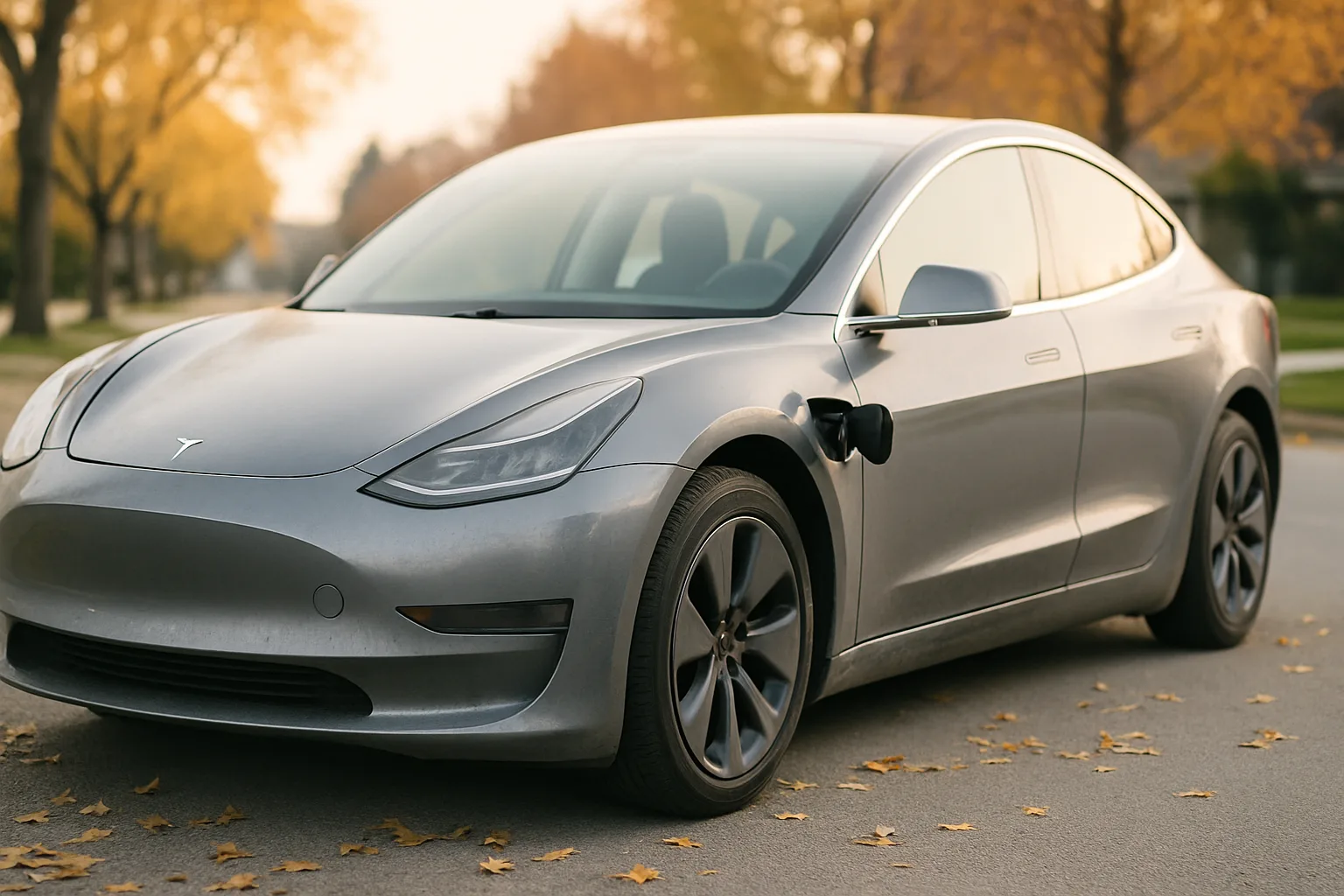
Why have used electric car prices fallen so far?
Put simply, the market overshot. When EVs were scarce in 2022, used values went silly. Then supply caught up. A wave of ex-lease and company cars came back onto the forecourts, new-car makers started cutting prices hard (Chinese brands especially), and buyers stayed nervous about battery life.
The figures are striking. Cap HPI, which supplies trade valuations, found that used EVs of the same age and mileage had halved in value between September 2022 and 2024. By then they were around 8.5% cheaper than comparable petrol and diesel cars at three years old, and 14% cheaper at four. AA Cars data showed the Nissan Leaf down 23.2% in a year, the Renault Zoe down 22.1% and the Tesla Model 3 down 16.4%.
The slide carried on through 2025. Auto Trader reported average used EV values down 5.5% year on year in November, and Percayso data showed three-year-old EVs falling faster in December than any other fuel type. There is a twist, though. Electric cars are now the quickest-selling vehicles on the UK used market, and Cap HPI reports demand growing for EVs over three years old priced under £20,000. In other words, the bargains are real, but other people have spotted them too.
How do you check a used EV battery’s health?
The key figure is state of health, usually shortened to SoH. It tells you how much energy the battery can hold now compared with when it was new. A car showing 90% SoH has lost about a tenth of its original capacity, and its range has dropped by roughly the same amount.
The good news is that most batteries age far more gracefully than the scare stories suggest. Losing a few per cent in the first couple of years and then levelling off is normal. The bad news is that the range figure on the dashboard is close to useless as a health check, because it’s based on how the last driver drove.
So ask for proper evidence. A decent dealer should be able to give you a battery health report from a diagnostic test. If they can’t, independent testing services and many EV specialist garages will check the battery for a fee. That’s money well spent on a car costing five figures. Some cars, including the Nissan Leaf, show a battery health gauge on the dashboard. Owners’ apps and plug-in diagnostic readers can tell you more.
Buy the battery, not the paintwork. A shiny EV with a tired battery is a bargain for the seller, not for you.
Also check how much battery warranty is left. Most manufacturers cover the battery for eight years and around 100,000 miles. Many guarantee it will keep about 70% of its capacity in that time, but the terms vary by make, so read the actual warranty document. On a four-year-old car, that’s potentially four years of cover still to run, and that’s worth having.
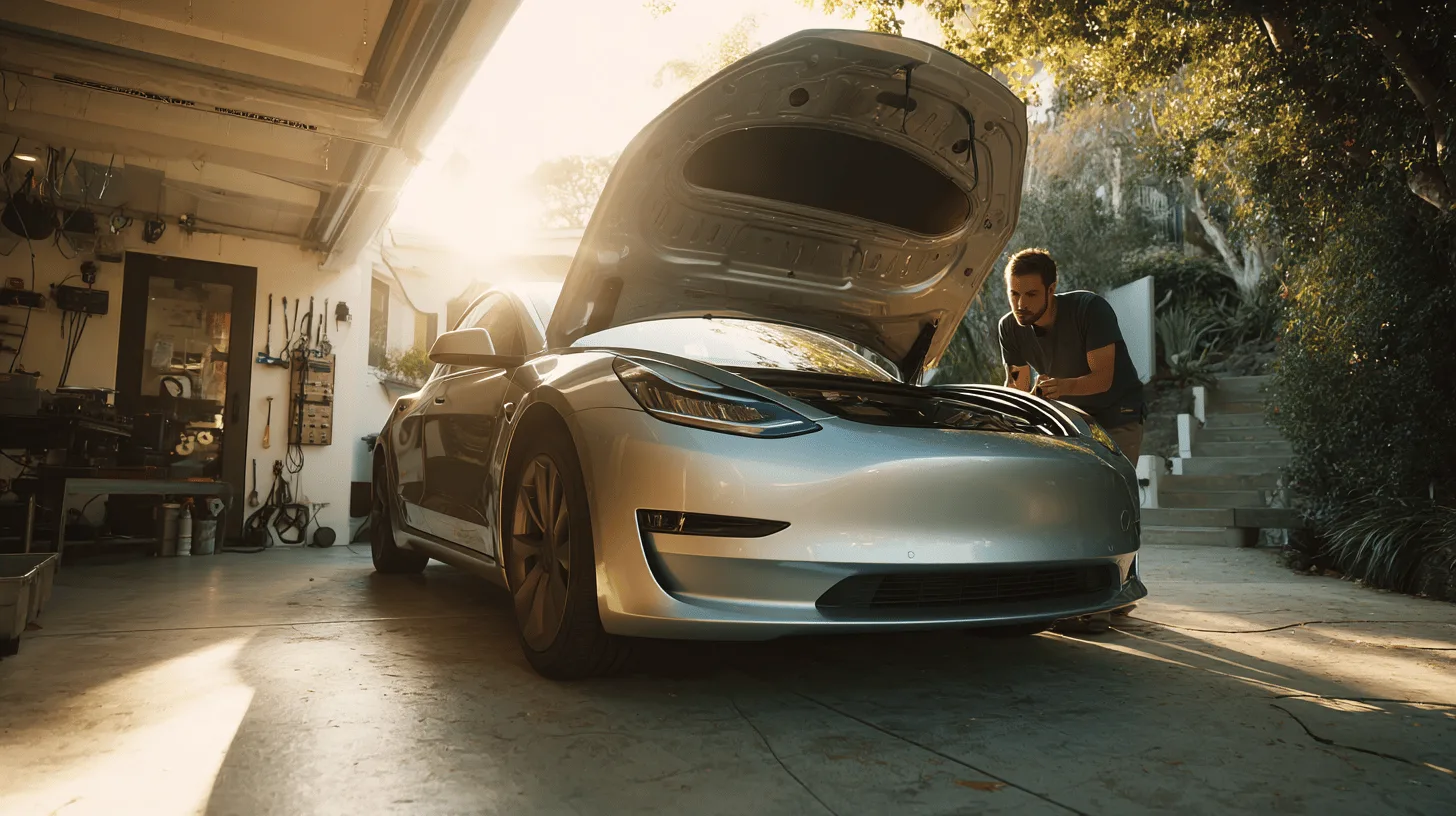
Some early EVs come with quirks you need to know about before you hand over any money.
Older Nissan Leafs don’t have active battery cooling, so the battery can get hot on long motorway runs with several rapid charges, and the car then slows its charging speed to protect itself. That’s fine for local driving, but annoying if you regularly drive from Leeds to Cornwall. Leafs also use the CHAdeMO rapid-charging plug, which fewer and fewer new chargers are fitted with. Most modern cars use the CCS standard instead.
Some early Renault Zoes were sold with the battery leased separately, so you bought the car and rented the battery by the month. Find out whether the battery is owned or leased before you get attached. A cheap Zoe with a monthly battery bill attached isn’t as cheap as it looks.
More generally, older and smaller-battery EVs can have a real-world range well under 150 miles, especially in winter. That’s no problem if the car spends its life on the school run, the commute and trips to Wickes. It’s a big problem if you’re expecting it to replace your only car for long trips.
What does a used electric car really cost to run?
The running costs are where EVs earn their keep, but only if you can charge at home. Overnight charging on an off-peak electricity tariff costs a fraction of what you’d pay for petrol. If you rely on public rapid chargers, the per-mile cost can get close to what you’d pay in a petrol car. If you have a driveway, budget for a home wallbox fitted by a qualified installer. Government grants for chargers now only cover people living in flats and renters, not homeowners with driveways.
Electric cars no longer get off free on road tax. Since 1 April 2025 they pay vehicle excise duty (VED) like everyone else. Cars that cost more than £40,000 new also pay the expensive car supplement for several years, and that’s based on the original list price, not what you paid. A used Tesla or Jaguar I-Pace may be cheap to buy, but it can still be pricey to tax. Check the current rates on GOV.UK before you buy.
The government’s Electric Car Grant, launched in 2025, only applies to new cars, so there’s no discount on a used one. Budget too for tyres, which wear faster because EVs are heavy, and for insurance, which can cost more than you’d expect, so get a quote first. On the plus side there’s no oil to change and far fewer parts to wear out, and regenerative braking (where the motor slows the car and recharges the battery) means brake pads often last ages. One small warning: it’s the ordinary 12-volt battery that most often leaves EVs stranded, not the big one.
Is it safer to buy a used EV from a dealer?
Usually, yes. If you buy from a dealer, the Consumer Rights Act 2015 says the car must be of satisfactory quality, fit for purpose and as described, and you have 30 days to reject a faulty car for a full refund. If you buy privately, the car only has to be as described. A battery that turns out to be knackered becomes your problem.
Whoever you buy from, do the usual checks. Look up the free MOT history on GOV.UK (cars need an MOT from three years old), run a history check for outstanding finance and write-offs, and make sure the remaining manufacturer warranty transfers to you. Ask for the charging cables too. A missing home charging cable can cost you a surprising amount to replace.
In short
Used electric cars in the UK are now often cheaper than petrol equivalents, and a three- or four-year-old EV with some battery warranty left can be a genuine bargain. The battery is everything: get a proper state-of-health report rather than trusting the range on the dashboard, and check how long the warranty has left to run. Watch for older models with known quirks, such as leased Zoe batteries and slow-charging Leafs. If you can charge at home, the savings are real. If you can’t, think hard before you buy.
Sources

Midcent Tech
Alex Innes explains technology for men 45 and over who have seen every gadget since the ZX Spectrum and are not easily impressed. AI and ChatGPT, phones, cars, the smart home, the subscriptions worth keeping and staying safe online – what it does, whether it's worth the money, and whether you need it at all.
One of Midcent's writers. Spotted something? Write to alex@midcent.uk.