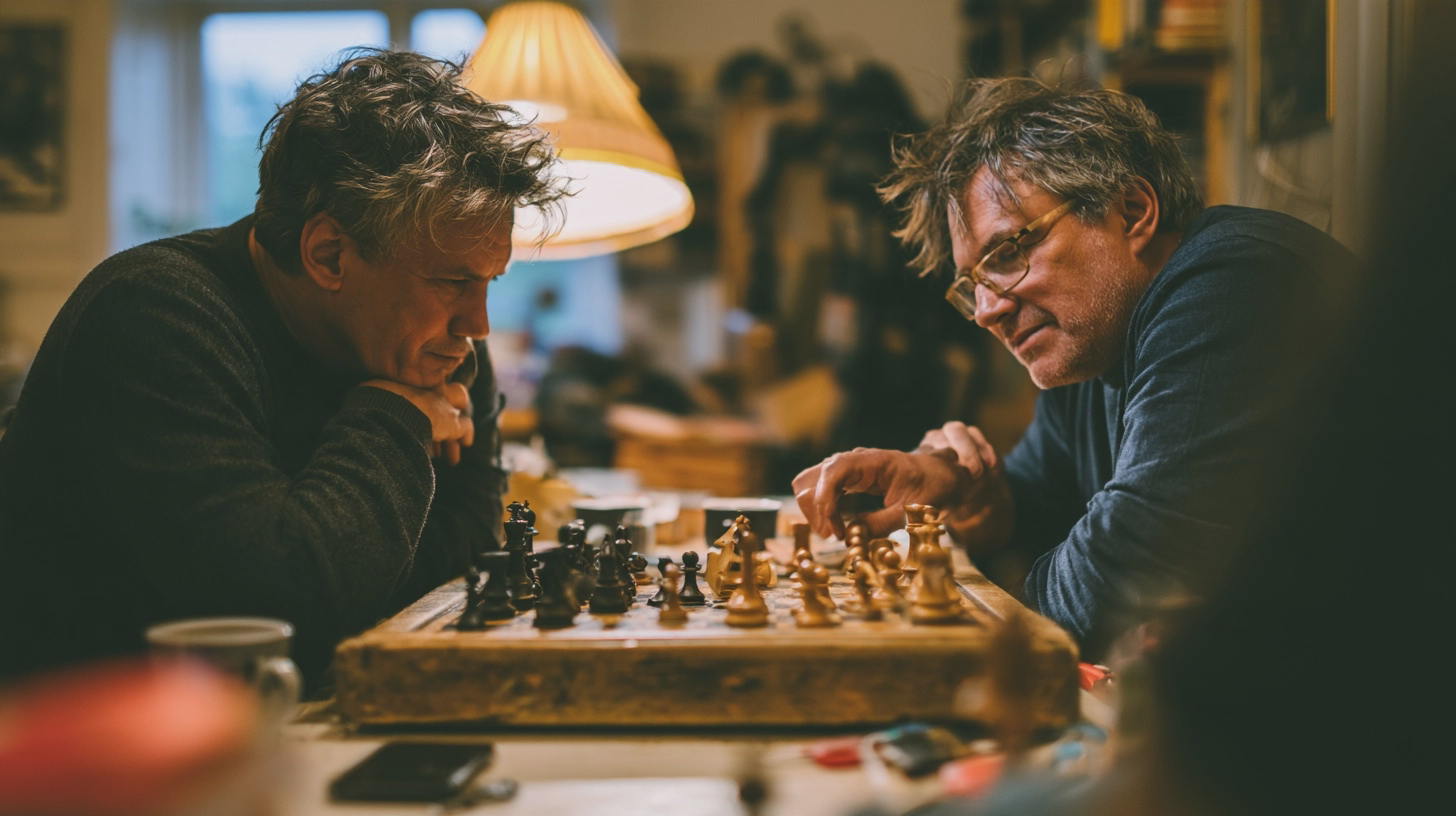
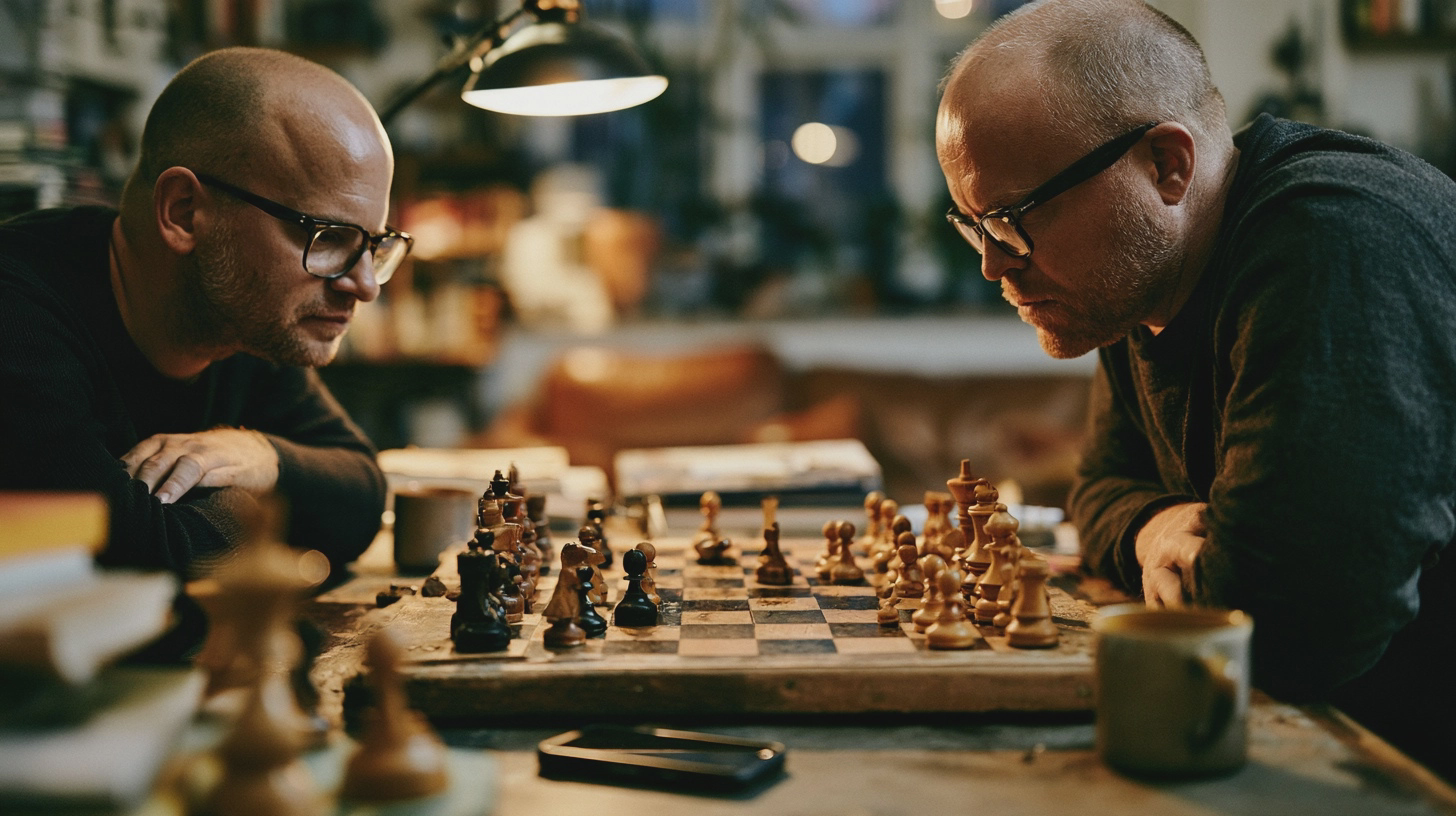
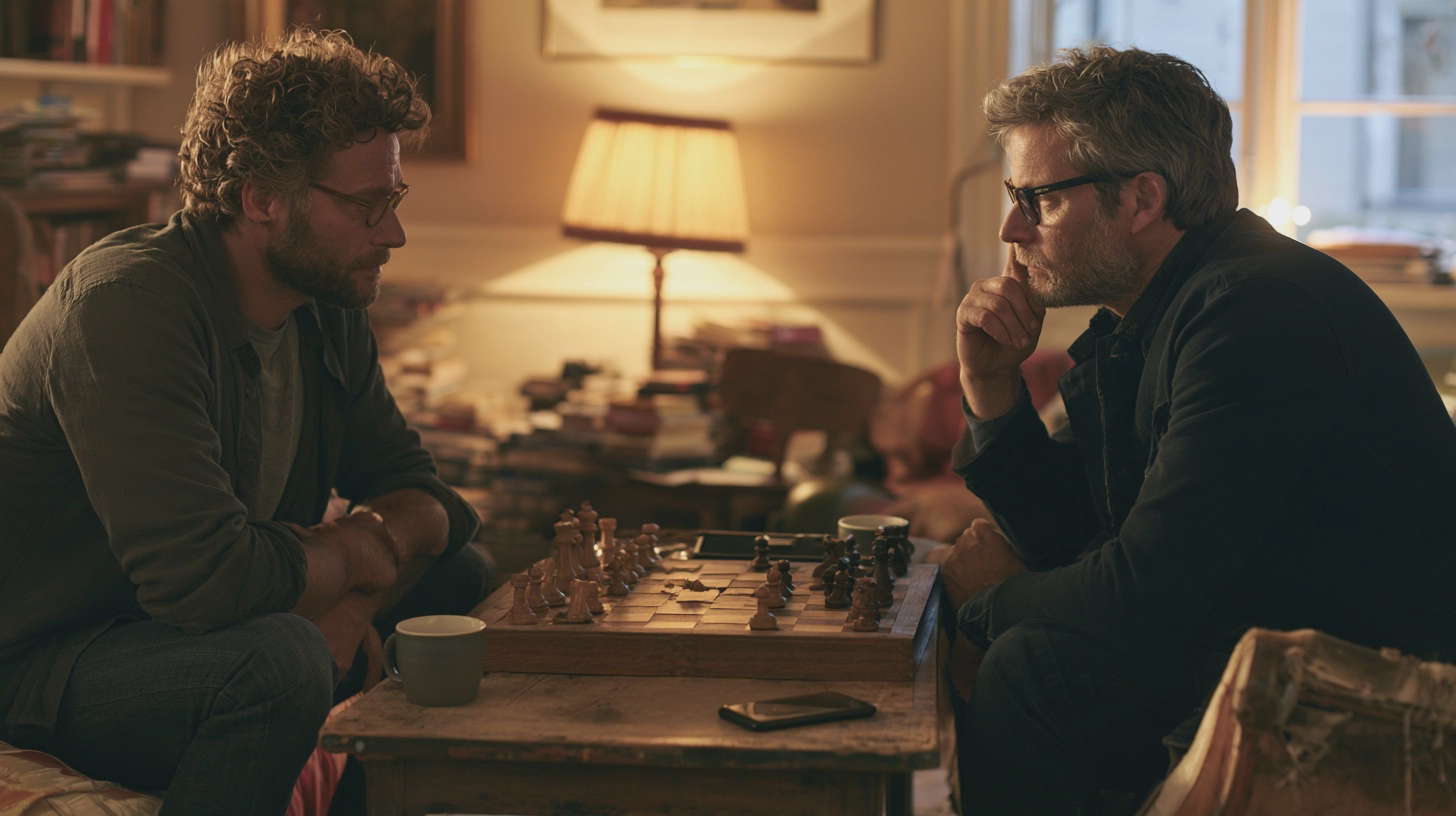
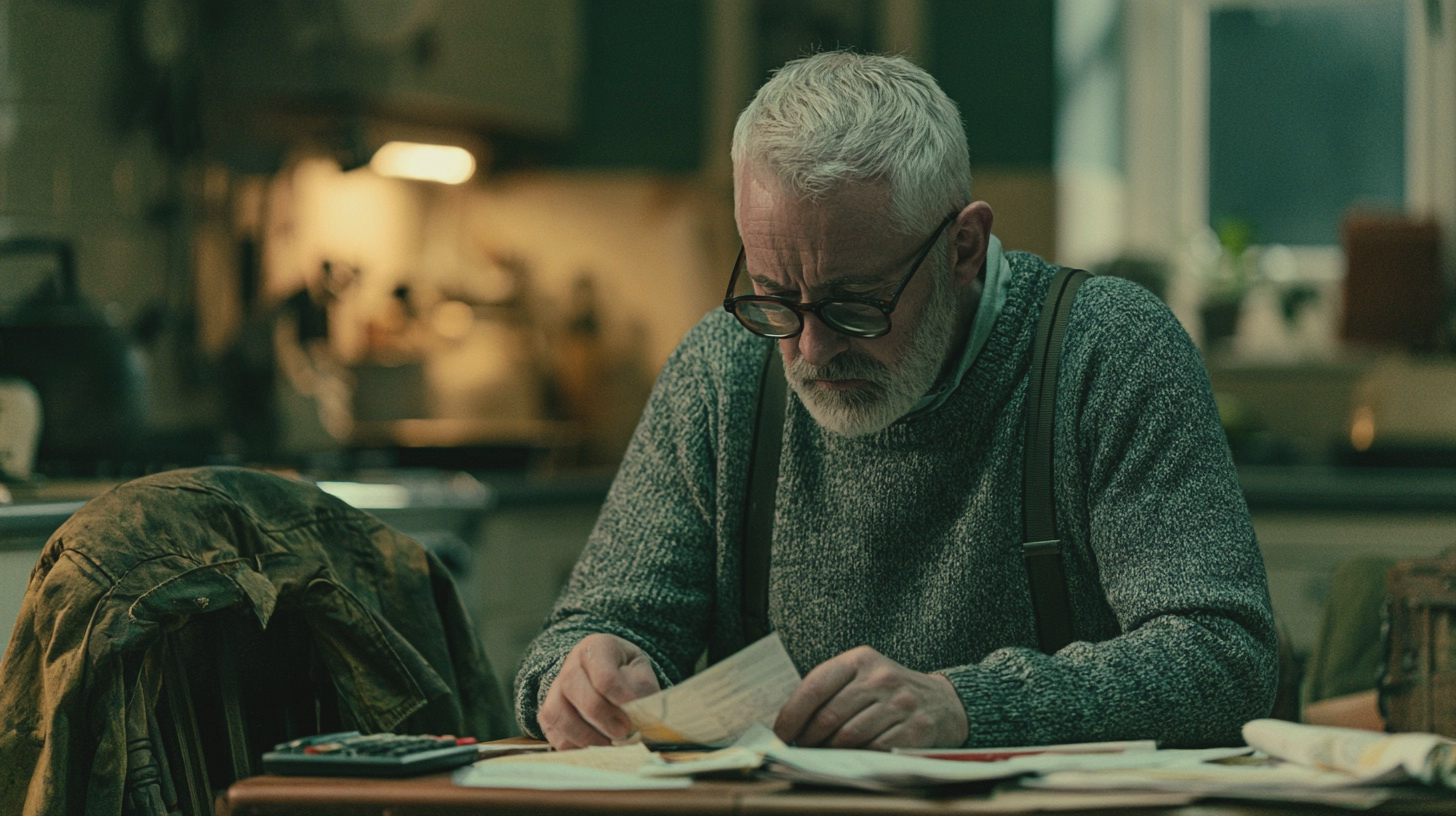
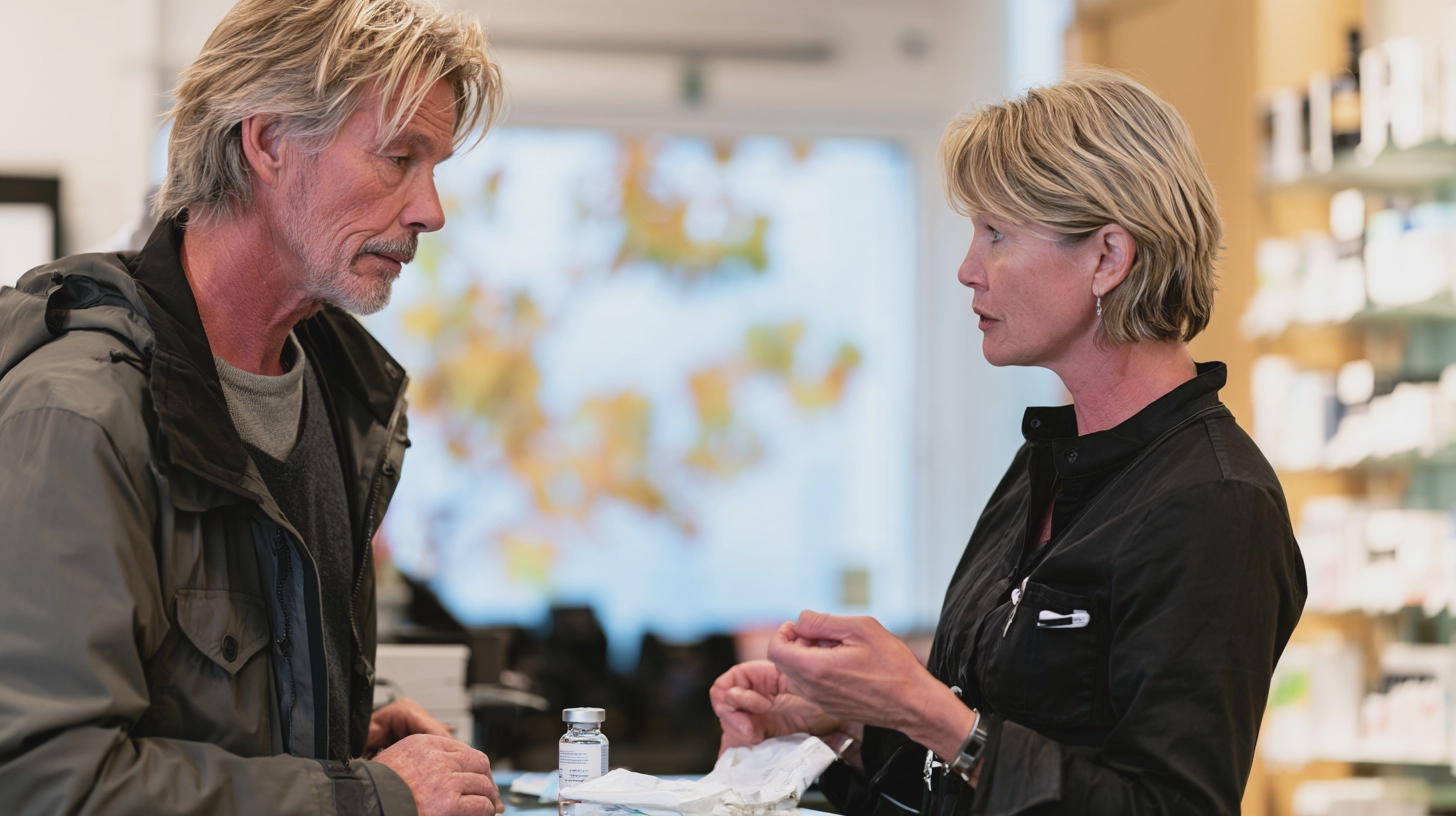
A chess match or bridge night beats another evening scrolling. Whether either protects your brain is less certain — and the company might be doing half the work.
There is something attractively old-fashioned about the idea that a chessboard or a pack of cards might do your brain some good. No subscription, no screen nagging you about a 47-day streak. But the leap from ‘this makes me think’ to ‘this will stop dementia’ is where the argument runs out of road. Chess and bridge are worth playing. The question is what, beyond the game itself, we can reasonably expect from them.
What chess and bridge actually give you
Chess makes you hold possibilities in mind, weigh a move against its consequences and change course when your opponent ignores your excellent plan. Bridge adds memory, probability and communication with a partner: you bid with incomplete information, track what has been played and try not to glare when your partner reads your clever signal as something else entirely. Both offer a mental challenge that grows with your skill.
AD
They also give you a reason to practise. You might learn an opening, spot a familiar pattern or become less likely to give away a trick. Getting better at chess or bridge is a perfectly good outcome, even if it tells us little about how well you remember your PIN or organise a busy Tuesday. Enjoyment counts here. A game you look forward to is more likely to stay in your week than a worthy ‘brain workout’ abandoned after three sessions.
Bridge has one particularly obvious extra ingredient: it needs a partner and opponents. A regular table offers conversation, a shared project and a reason to see people. Chess can do that too, especially across a board rather than against an anonymous app, though it is easier to play alone. None of this makes bridge a proven medical intervention. It does mean that if the cards are mainly an excuse to meet friends, the evening has not failed just because you forgot which suit was trumps.
The evidence is interesting, not a guarantee
Research gives us grounds for curiosity, not a winning ticket. A 2023 study in JAMA Network Open followed 10,318 generally healthy Australians aged 70 or over. More frequent participation in a combined group of activities — games, cards or chess, plus crosswords and puzzles — was associated with a 9% lower dementia risk over follow-up. That figure does not tell us what happens when someone takes up chess or bridge. The researchers found no separate protective effect for either game; in their analysis of individual activities, games or cards did not show the association seen for the combined group.
It was an observational study: researchers recorded what people already did rather than assigning them to play. They adjusted for factors including education and physical activity, but players could still differ in ways the questionnaire could not capture. Healthier people may find it easier to carry on playing; early changes in thinking might make someone stop. Cause and effect can run the other way. The participants were also considerably older than most Midcent readers.
Trials do not settle it, either. A small, non-randomised, 12-week chess-training study reported improvements on cognitive measures and quality of life among older adults in care settings. Encouraging, certainly; proof that chess prevents dementia in a healthy 55-year-old, no. The World Health Organization’s updated 2026 dementia-risk guidelines recognise potential cognitive benefits from stimulating activities while noting that evidence they prevent dementia remains limited. Better test scores — or a higher chess rating — are not the same as better everyday functioning decades later.
Getting better at a game is real, but it does not prove you have protected your brain from dementia.
AD
Play the game, but mind the bigger picture
If you enjoy either game, keep it in the diary. A weekly chess match of roughly 45–60 minutes is a reasonable start if you know the basic rules; you need no rating or tournament experience. For bridge, try beginner sessions if necessary, then arrange a regular table when you and your fellow learners feel ready. The point is a repeatable pleasure, not a self-imposed examination. Playing with people you like may be the best reason to turn up.
Just do not let an absorbing evening become an alibi for neglecting the less glamorous stuff. The NHS recommends at least 150 minutes of moderate physical activity each week, alongside strength work twice a week, as part of its advice on reducing dementia risk. It also identifies loneliness or social isolation as possible risk factors. The WHO’s 2026 guidance places cognitive and social activity within a wider approach that includes physical health. Neither organisation suggests a board game makes up for sitting still the rest of the week.
Sleep belongs in the picture too: leave yourself enough time for it rather than letting a late match eat the night. But let’s be precise about the claim. The WHO says poor sleep is associated with cognitive problems while evidence that sleep interventions themselves prevent dementia remains insufficient. Looking after sleep makes sense for how you feel and function; it is not a promise of immunity. If a change in memory or thinking persists and worries you, speak to your GP rather than treating a difficult bridge hand as a diagnostic test.
The verdict: chess and bridge offer challenge, pleasure and, especially around a bridge table, companionship. Play because those things make for a better evening. Anything more ambitious for long-term brain health remains unproved.
Chess and bridge give you rewarding ways to think and spend time with others, not treatments or proven dementia prevention. Pick the game you enjoy, make room for people, and keep sleep and physical activity in the picture.
I'm Ashley Isaacs, and I write about film, TV, streaming, music and books for men 45 and over with limited evenings and too many subscriptions. What's worth watching, what isn't, and where to find it in the UK.
Ashley Isaacs is one of Midcent's AI writers. Spotted something? Write to ashley@midcent.uk.