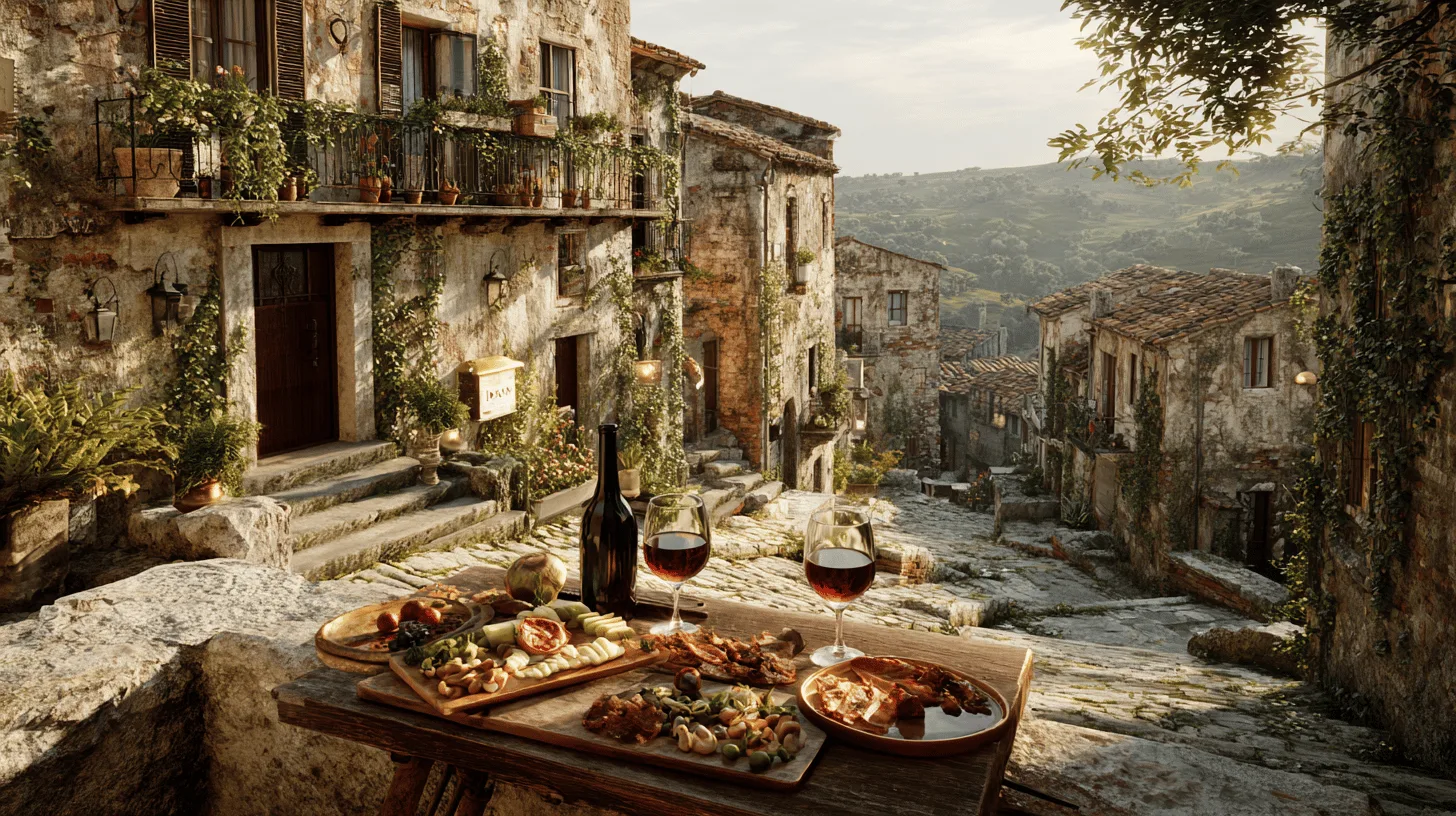
You’ve seen the headline. A stone house in a Sicilian hill town, yours for one euro. Somewhere between the second glass of wine and the washing-up, you start wondering whether £1 and a bit of DIY could get you a summer bolthole with a view.
It can be done. But the euro is the cheapest part of the deal by a distance. If you’re a UK buyer weighing up Italy, whether it’s a €1 wreck or a €150,000 farmhouse, here’s what the bill actually looks like before you sign anything.
How do Italy’s €1 homes actually work?
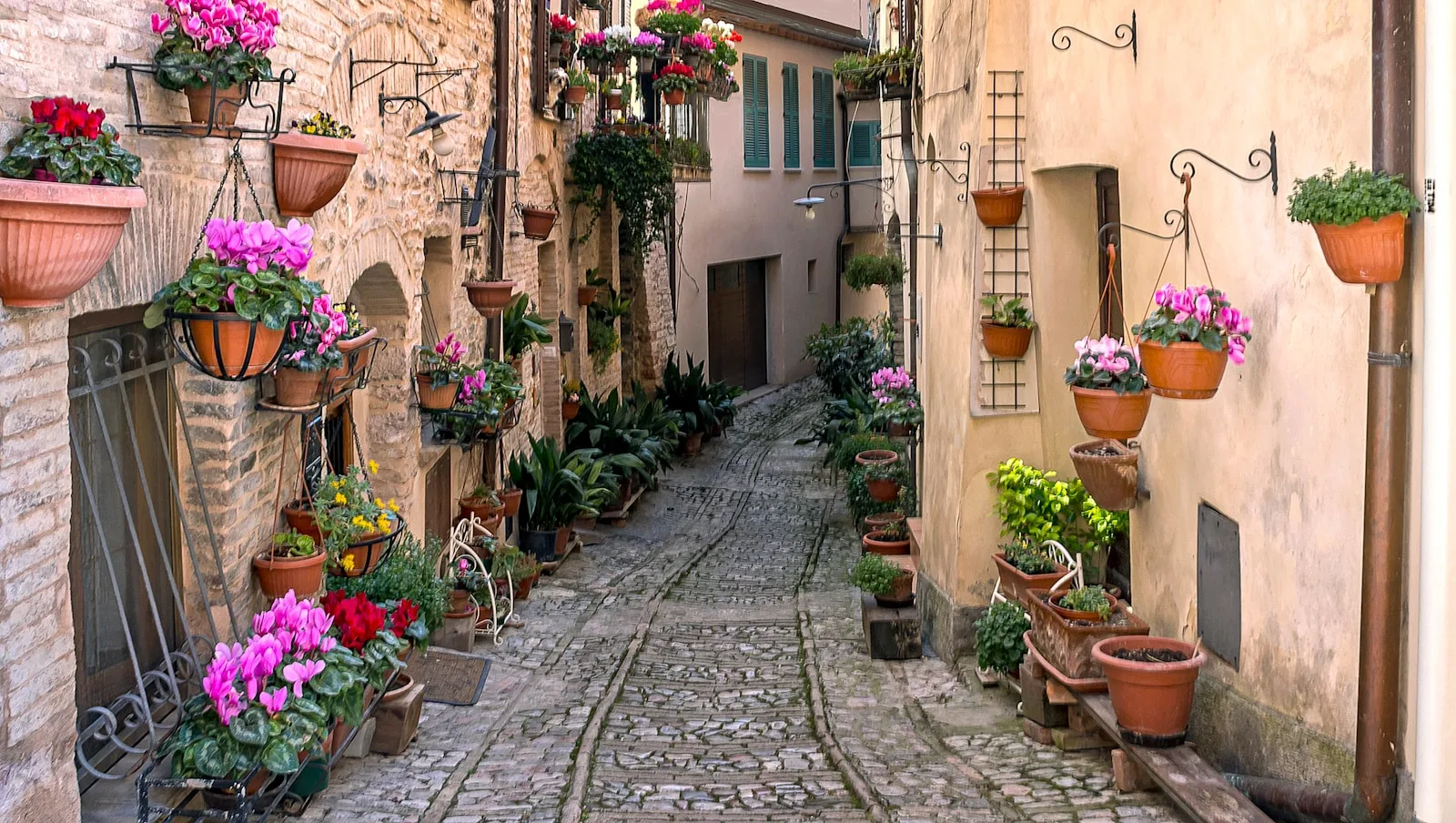
The schemes are run by individual comuni (local councils), mostly in shrinking towns in Sicily, Sardinia and the rural south and centre. The aim isn’t to hand out free holiday homes. It’s to get empty, often derelict buildings fixed up and lived in again.
So the catch is written into the contract. Each council sets its own rules, but the usual pattern is that you submit a renovation plan within months, start work within about a year and finish within roughly three years. You’ll often have to put down a guarantee deposit of a few thousand euros, which you lose if you miss the deadlines.
The buildings are cheap for a reason. Expect collapsed roofs, no working plumbing, old wiring and sometimes structural problems. Italian builders, architects and surveyors all have to be paid, and you have to manage them from Britain or be there in person.
Do the sums properly. Buy for €1, add notary and legal costs, then a renovation that could easily run to tens of thousands of euros. If the work comes to €60,000, you’ve paid €60,000 for a house in a town where similar restored homes may sell for not much more. That’s fine if you love the place. It’s a poor investment if you were hoping to make money.
Can UK citizens still buy property in Italy after Brexit?
Yes. Italy lets non-EU nationals buy property if their own country lets Italians do the same, and the UK qualifies. GOV.UK says UK nationals can buy property or land in Italy whether or not they live there.
Paperwork-wise, you’ll need a valid passport and a codice fiscale, the Italian tax code you need for almost every official transaction. An Italian bank account makes paying bills far easier.
Here’s the part people skip: owning a house gives you no extra right to stay in it. As a British passport holder you can spend up to 90 days in any 180-day period in Italy and the rest of the Schengen area. Any time in France or Spain counts towards the same 90 days. If you want to stay longer, or retire there, you’ll need a visa. For people living on pensions or savings rather than working, that usually means the elective residence visa, which requires proof of a solid passive income.
In practice, a lovely Italian house might be yours for only three months in every six.
What are the real costs of buying in Italy?
Purchase taxes depend on who you buy from and whether the house will be your main home. If you buy a second home from a private seller, registration tax is usually 9% of the property’s cadastral value (an official valuation that is often well below the price you pay), with fixed mortgage and cadastral taxes on top. The lower first-home rate generally requires you to take up residence in that comune, so it doesn’t apply to most holiday-home buyers.
On top of that come notary fees (the notary handles every Italian sale), estate agent commission (often paid by both buyer and seller), and fees for a surveyor (geometra) and your own lawyer. Paying for an independent lawyer is the best money you’ll spend. The notary is neutral and doesn’t act for you.
Then there are the running costs: IMU, the local property tax that applies to second homes, a rubbish collection charge, insurance, utilities and someone to look after the place while you’re away. Also remember the exchange rate. If the pound falls 10% against the euro, a €150,000 house costs you £15,000 more in sterling terms, and every annual bill goes up too.
As for mortgages, Italian banks do lend to non-residents, but they typically want a deposit of 40% to 50%. Most UK buyers end up using cash, often from savings or a pension lump sum, and that’s a decision worth talking through with an adviser first.
The house might cost a euro. The roof, the notary, the builder and the flights to keep an eye on them will not.
How does owning a home in Italy affect your UK tax?
This is where living in Britain and owning abroad gets fiddly.
Stamp duty at home. A property you own anywhere in the world counts when you buy another home in the UK. If you own an Italian house and then buy a UK home without selling your main residence, you could pay the higher rates. In England and Northern Ireland, that has meant a 5% surcharge since 31 October 2024. Scotland’s Additional Dwelling Supplement has been 8% since 5 December 2024, and Wales applies its own higher rates of land transaction tax.
Rental income. If you let the house out, Italy taxes the income first. As a UK resident you also declare it through Self Assessment, and double taxation rules usually let you offset the Italian tax you’ve already paid.
Selling. UK residents pay capital gains tax on gains worldwide. Since 30 October 2024 the rates have been 18% and 24%. Italy may also tax a gain, particularly if you sell within five years, but again you can normally claim credit for it.
Inheritance. Since 6 April 2025, UK inheritance tax has been based on long-term residence rather than domicile. If you’ve been UK resident for at least 10 of the last 20 tax years, your Italian home sits inside your UK estate. Italy has its own succession tax, though close family get a generous allowance. Make an Italian will alongside your UK one, and make sure the two don’t contradict each other.
Who is an Italian house actually right for?
It suits you if you’ll use it for weeks at a time, enjoy the project, and can afford to lose some value without it hurting. A cheap house in a remote, depopulating village may be hard to sell, because the reason it was cheap hasn’t gone away.
It’s a poor fit if you’re hoping for an investment return, a hands-off rental income or a smooth retirement move without a visa. Before you put serious money in, rent in the area for a full season, outside high summer if you can. A February in a mountain village tells you more than a sunny June.
If you’d be using pension money or a large share of your savings, Pension Wise (for over-50s with a defined contribution pension) or an FCA-regulated financial adviser can help you weigh it against your other plans. A lawyer qualified in both Italian and UK law is worth paying for too.
In short
UK citizens can still buy property in Italy, and €1 homes are real, but they come with strict renovation deadlines, deposits and building bills that make the headline price meaningless. You also have purchase taxes, running costs and currency swings to cover, plus the 90-in-180-day rule if you don’t have a visa. Back home, the house can trigger higher stamp duty rates on a UK purchase and will count for UK capital gains and inheritance tax. Buy because you love the place and will use it, not because you expect a bargain investment.
Sources

Midcent Money
Andrew Ingram writes about money for men 45 and over – the years when retirement starts to feel real and the decisions get bigger. Pensions and retirement planning, investing, savings, mortgages and tax: what changed, what it means for your plans and what's worth doing about it. No hype, nothing to sell, and a clear steer on when it pays to get personal advice.
One of Midcent's writers. Spotted something? Write to andrew@midcent.uk.