What Warren Buffett’s frugality can teach your pension
Warren Buffett has handed over at Berkshire Hathaway. Here’s what his cheap breakfasts, modest house and dislike of fees mean for your ISA and pension.
Reviewed, edited and approved by Editor-in-chief Daniel Sköld · Updated 26 October 2026
Contents
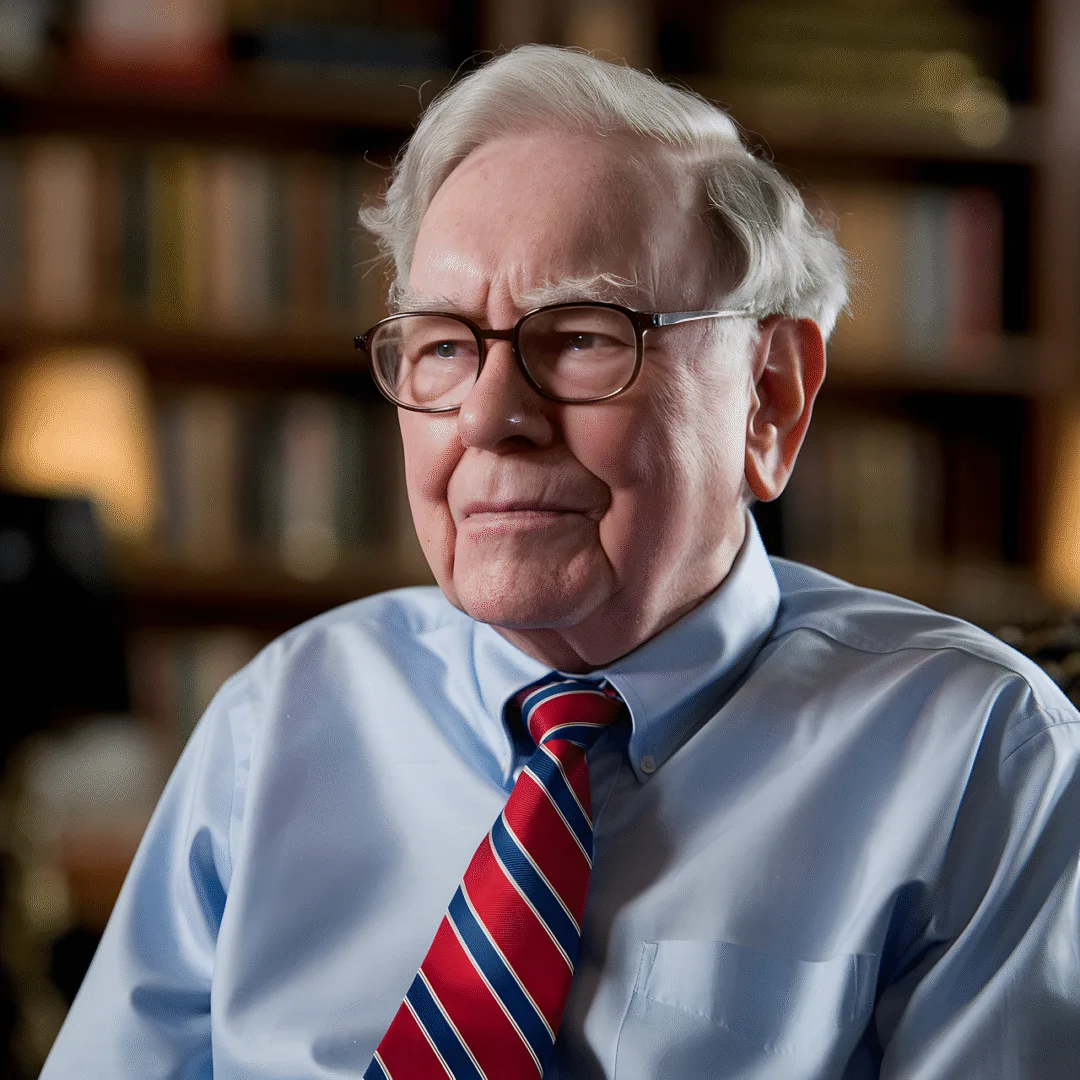
Picture one of the richest men on the planet pulling into a McDonald’s drive-through, picking his breakfast according to how the stock market did that morning, and paying with the change sitting in the cup holder. That’s Warren Buffett. It’s a lovely story and it’s mostly true, which is exactly why it’s so easy to take the wrong lesson from it.
Buffett stepped down as chief executive of Berkshire Hathaway at the end of 2025, aged 95, after more than 60 years at the top. Greg Abel took over on 1 January 2026. So now is a good time to ask what his famous thrift actually means for a British man in his fifties with a pension, an ISA and a mortgage that’s nearly paid off.
AD
Was Warren Buffett really that tight?
In some ways, yes. In 1958 he paid $31,500 for a five-bedroom house in Omaha, Nebraska, which works out at roughly $330,000 in today’s money, and he never moved. He has called it the third best investment he ever made. He’s also admitted he’d have made a lot more by renting and putting the money into shares. He kept it because it gave his family a good life, not because it was a clever trade.
That’s the point people tend to skip. Buffett isn’t a miser who enjoys going without. He just doesn’t feel the need to spend money on things that don’t make him any happier. A bigger house wouldn’t have done much for him. The cash it would have soaked up has been compounding for decades instead.
The other thing worth knowing is where the money is going. He has pledged more than 99% of his fortune to charity. Being careful with money while you’re alive and generous with it at the end aren’t opposites. They come from the same habit of deciding what money is actually for.
Does cutting back on coffees actually make you rich?
No, and Buffett has never claimed it does. The fortune came from owning good businesses for a very long time. The cheap breakfasts were a side effect of his temperament, not the plan.
Small savings do still add up. Say you spend £4 more a day than you need to on lunch and coffee, five days a week for 48 weeks. That’s £960 a year, or £14,400 over 15 years before any growth. Very nice, but not life-changing.
Where Buffett’s thrift really pays is on the big, boring, recurring costs: the house you buy, the car you replace too often, and above all the fees you pay on your savings every year without noticing.
How much do investment fees really cost you?
This is where the Buffett approach earns its keep. For years he told ordinary investors that low-cost index funds would beat most professionals once charges were taken off. In 2008 he bet a hedge fund firm that a simple S&P 500 index fund would beat a hand-picked selection of hedge funds over ten years. He won comfortably. In his 2013 letter to shareholders he said the instructions for his wife’s inheritance were to put 90% in a very low-cost S&P 500 index fund and 10% in short-term government bonds.
That isn’t a recommendation for you, and Midcent doesn’t tell you what to buy. But the maths behind it holds whatever you invest in. Take a £200,000 pension pot left to grow for 20 years at 5% a year before charges. With total charges of 0.5% a year, you’d end up with roughly £482,000. At 1.5% a year, you’d have about £398,000.
One percentage point a year doesn’t sound like much. Over 20 years it can cost you more than £80,000.
Fees are one of the few parts of investing you control completely. The Financial Conduct Authority has spent years looking at how investment platforms charge and how hard those charges can be to compare. So add up everything you pay: the platform fee, the fund’s ongoing charge, any dealing costs and any adviser’s fee. Then decide whether you’re getting value for each one. Paying for good advice can be money well spent. Paying for something you don’t use is just a leak.
AD
What would Buffett make of your ISA?
He was always wary of holding too much cash for too long. Not because cash is bad, but because over decades inflation chips away at it while good businesses tend to grow. The UK government has reached a similar view.
In the 2025/26 and 2026/27 tax years, the overall ISA allowance is £20,000 a year and you can put all of it in cash if you want. That changes from 6 April 2027. Savers under 65 will be limited to £12,000 a year in a cash ISA. The overall £20,000 allowance stays the same, so the other £8,000 can only go into a stocks and shares ISA (or an innovative finance ISA). If you’re 65 or over, you can still put the full £20,000 in cash. Transfers from a stocks and shares ISA into a cash ISA will also be blocked from that date, so you can’t get round the limit that way. The rules are the same across England, Scotland, Wales and Northern Ireland.
None of this means you should go all-in on shares. An emergency fund and money you’ll need within the next few years belong somewhere safe. Buffett’s company has kept huge piles of cash itself. The lesson is to be clear about the job each pound is doing. As a rough guide, £500 a month for ten years is £60,000 before growth, and what happens to that £60,000 depends a lot on where it sits.
The habits worth borrowing in your fifties
Forget the burgers. The parts of Buffett’s approach that actually work for a British reader in his fifties are duller and much more powerful:
Buy a house you can comfortably afford and stay put. Moving costs a fortune, between stamp duty, agents’ fees and solicitors’ bills.
Treat fees as a guaranteed loss and keep them as low as you sensibly can.
Think in decades. Even at 55, some of your pension may still be invested 30 years from now.
Decide what the money is for: your retirement, your children, a cause you care about. Buffett has known where his is going for years.
And when the decision is big, such as how to take your pension or whether to consolidate old pots, get proper help. Pension Wise offers free, impartial guidance if you’re 50 or over and have a defined contribution pension. MoneyHelper covers the wider picture. An FCA-regulated financial adviser can look at your own situation. Even the frugal Mr Buffett never treated good advice as a luxury.
In short
Warren Buffett, who handed over as Berkshire Hathaway’s chief executive at the end of 2025, didn’t get rich by skimping on breakfast. He got rich by owning good businesses for decades and refusing to waste money on things that didn’t matter. For UK savers, the useful lessons are to keep investment fees low, avoid expensive moves, and be clear about what your cash is for, especially before the cash ISA limit for under-65s falls to £12,000 from 6 April 2027. For big pension decisions, use Pension Wise, MoneyHelper or an FCA-regulated adviser.
Andrew Ingram writes about money for men 45 and over – the years when retirement starts to feel real and the decisions get bigger. Pensions and retirement planning, investing, savings, mortgages and tax: what changed, what it means for your plans and what's worth doing about it. No hype, nothing to sell, and a clear steer on when it pays to get personal advice.
One of Midcent's writers. Spotted something? Write to andrew@midcent.uk.
Markets fall, headlines scream and your pension app turns red. Many of us have lived through several crashes already. Here is what helps, what costs you money, and when to act.
Ten years is longer than you think. Tax relief, unused allowances, lower fees and a smarter drawdown plan could add a six-figure sum to your retirement.
A tracker fund in an ISA asks almost nothing of you. A flat on the Costa asks for paperwork, maintenance and Spanish tax returns. Here is how the workload compares.