Robotaxis and drones: who pays for Google’s moonshots?
Alphabet loses billions a year on driverless cars, delivery drones and other far-off bets. Here’s what’s coming to UK roads and skies, and what it means for your pension.
Reviewed, edited and approved by Editor-in-chief Daniel Sköld · Updated 29 October 2026
Contents
Every time you type a question into Google, a small slice of the advertising money behind it goes on things that have nothing to do with search. Cars with nobody at the wheel. Drones that drop a pint of milk in your garden. Balloons that were meant to bring the internet to remote villages, until they didn’t.
Alphabet, Google’s parent company, files these under “Other Bets”. If you have a workplace pension or a global tracker fund, there’s a good chance you own a tiny piece of them. So it’s worth asking what they cost, which of them are getting anywhere, and when any of it turns up on a British road or doorstep.
AD
How much does Alphabet lose on Other Bets?
A lot, and for a long time. Alphabet’s own filings with the US Securities and Exchange Commission show Other Bets losing billions of dollars a year. In recent years the losses have run well above $4 billion a year, which is more than £3 billion at today’s exchange rates. That’s every year, not a one-off.
Put another way, it’s roughly £8 million a day spent on projects that mostly don’t make money yet. Search and YouTube advertising pay for it, and so far shareholders have been happy to carry it because the main business is so profitable.
Not every bet survives. Loon, the project that used high-altitude balloons to beam internet access to remote areas, was shut down in 2021. Makani, which tried to generate electricity with kites tethered to the ground, closed in 2020. Both had years of engineering and serious money behind them. Both turned into what you might politely call expensive lessons.
That’s how a moonshot portfolio is supposed to work: lots of costly failures, paid for by the occasional win. The question is whether the win turns up before the patience runs out.
Waymo: the bet that started working
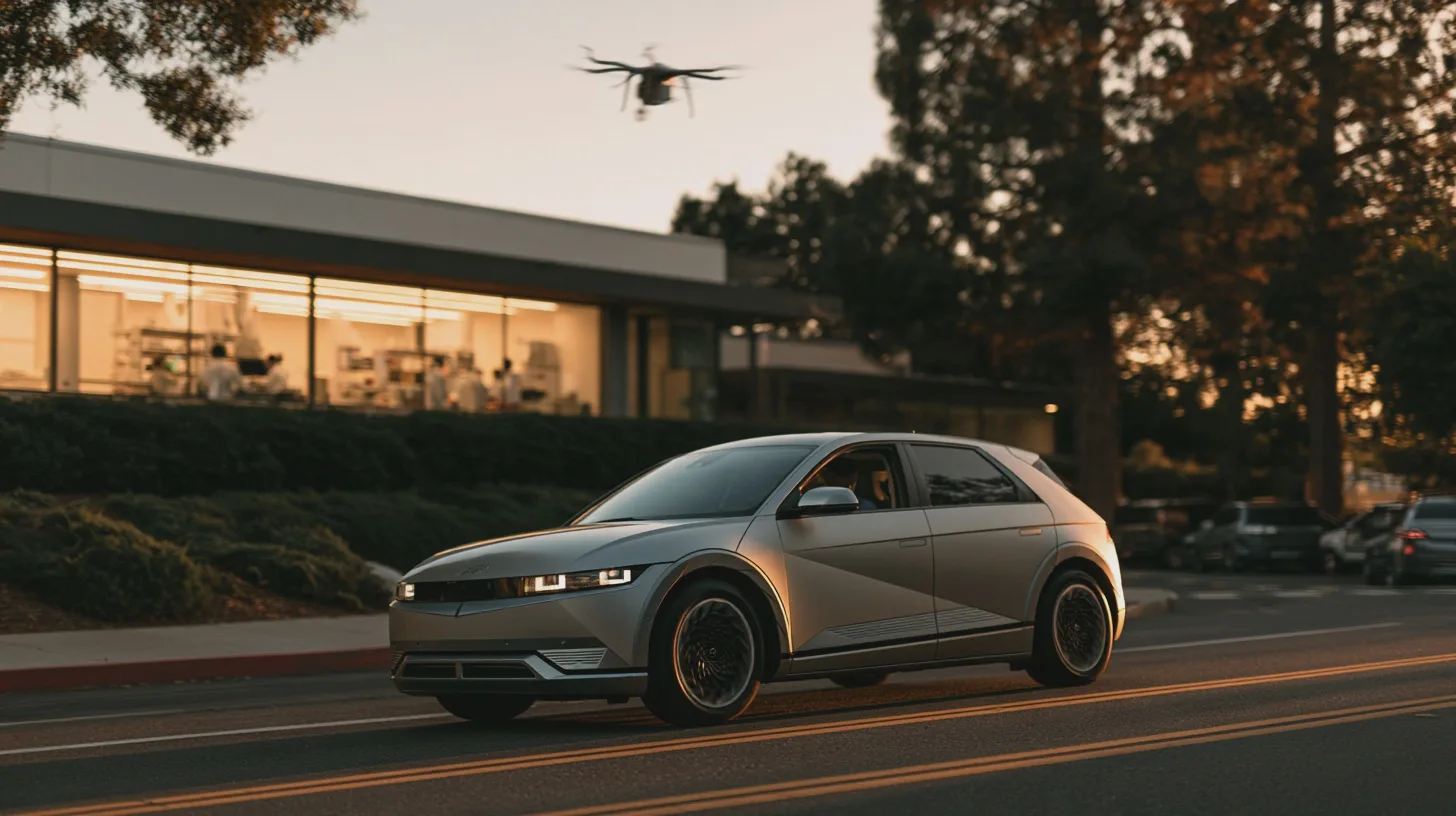
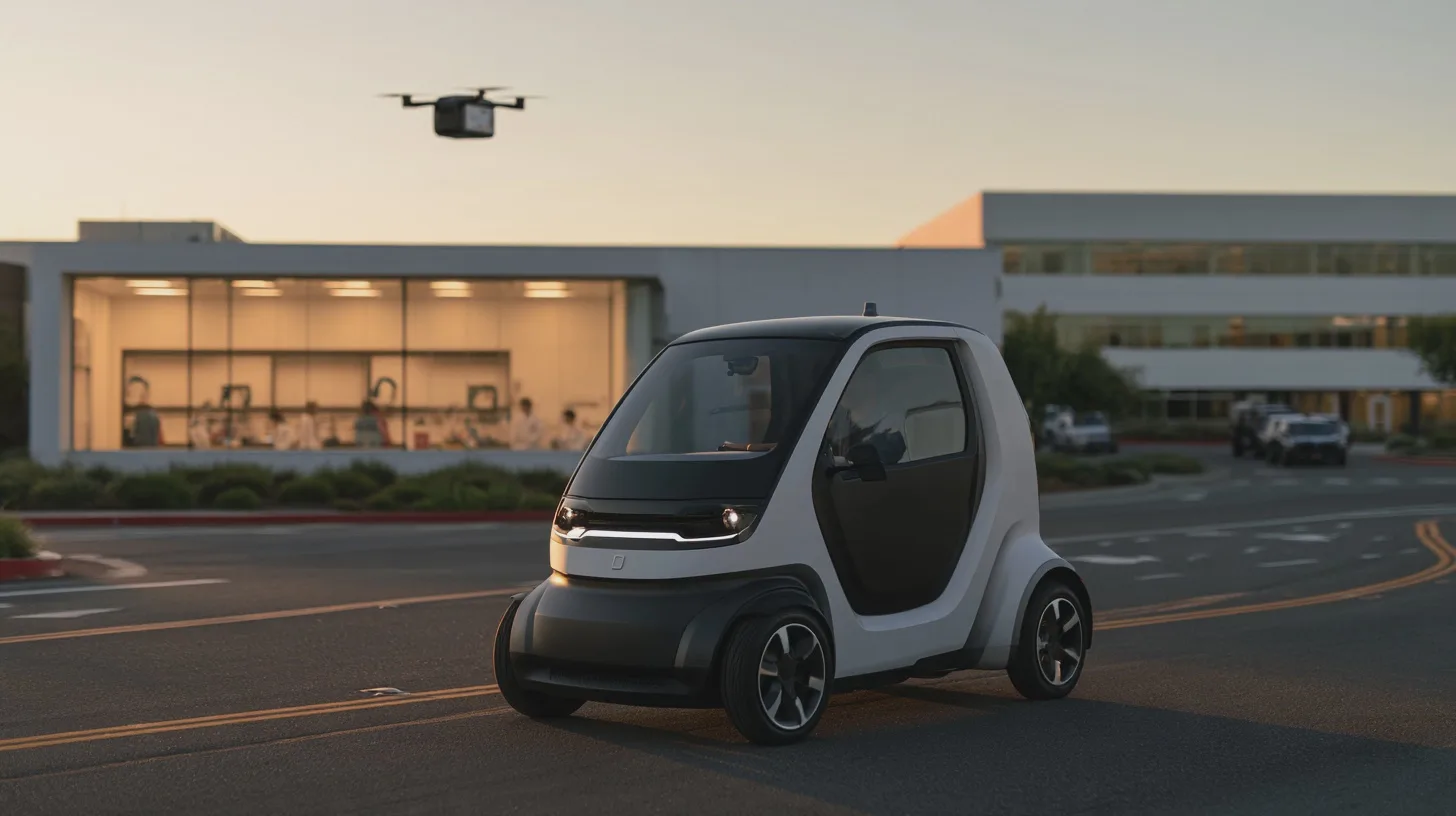
Waymo, the self-driving car company that started life as Google’s driverless car project in 2009, is the bet most likely to pay off. It runs paid robotaxi rides with nobody in the driver’s seat in several American cities, including Phoenix, San Francisco and Los Angeles, and it’s been adding more.
It has also taken in billions of dollars from outside investors on top of Alphabet’s own money. That tells you two things. People with deep pockets think it could be worth a fortune, and running a driverless taxi fleet still eats cash.
Waymo has said it wants to bring its service to London. As with everything else in this area, that depends on British regulators and the timetable the government sets, so treat any launch date as a hope rather than a promise.
A moonshot only looks clever in hindsight. Until then it’s a very large bill with a very optimistic spreadsheet attached.
What does the Automated Vehicles Act mean for drivers?
This is where it starts to affect you directly. The Automated Vehicles Act 2024 became law in May 2024 and sets out the legal framework for self-driving vehicles in Great Britain. It applies in England, Scotland and Wales; Northern Ireland handles road traffic law separately.
The big change is about blame. When an approved self-driving feature is switched on and doing the driving, you become a “user-in-charge” rather than a driver. You wouldn’t be prosecuted for the way the car drives while it’s in control: speeding, running a red light and so on. Responsibility moves to the company that got the system authorised.
You don’t get off completely. You’d still need to be fit to drive, hold a licence and be ready to take back control when the car asks. You’d still be on the hook for things that aren’t about the driving itself, such as insurance, roadworthiness and making sure passengers wear seatbelts. And a car with fancy driver assistance isn’t “self-driving” in legal terms unless it has been authorised as such. The Act also bans misleading marketing that suggests otherwise.
The full regime won’t arrive overnight. The government has said it expects to put the Act fully into effect in the second half of 2027, and it has brought forward pilots of self-driving taxi and bus-style services, aimed at starting from spring 2026. If you’re buying a car in the next couple of years, don’t pay extra on the assumption it will legally drive itself to the pub.
AD
Oxford, Darlington and Orkney: the British versions
Britain isn’t just waiting for Silicon Valley. Oxa, formerly Oxbotica, is a self-driving software company that grew out of the University of Oxford, and the city has been a testing ground for autonomous vehicles for years. London-based Wayve has been working with Uber on plans to trial robotaxis in the capital.
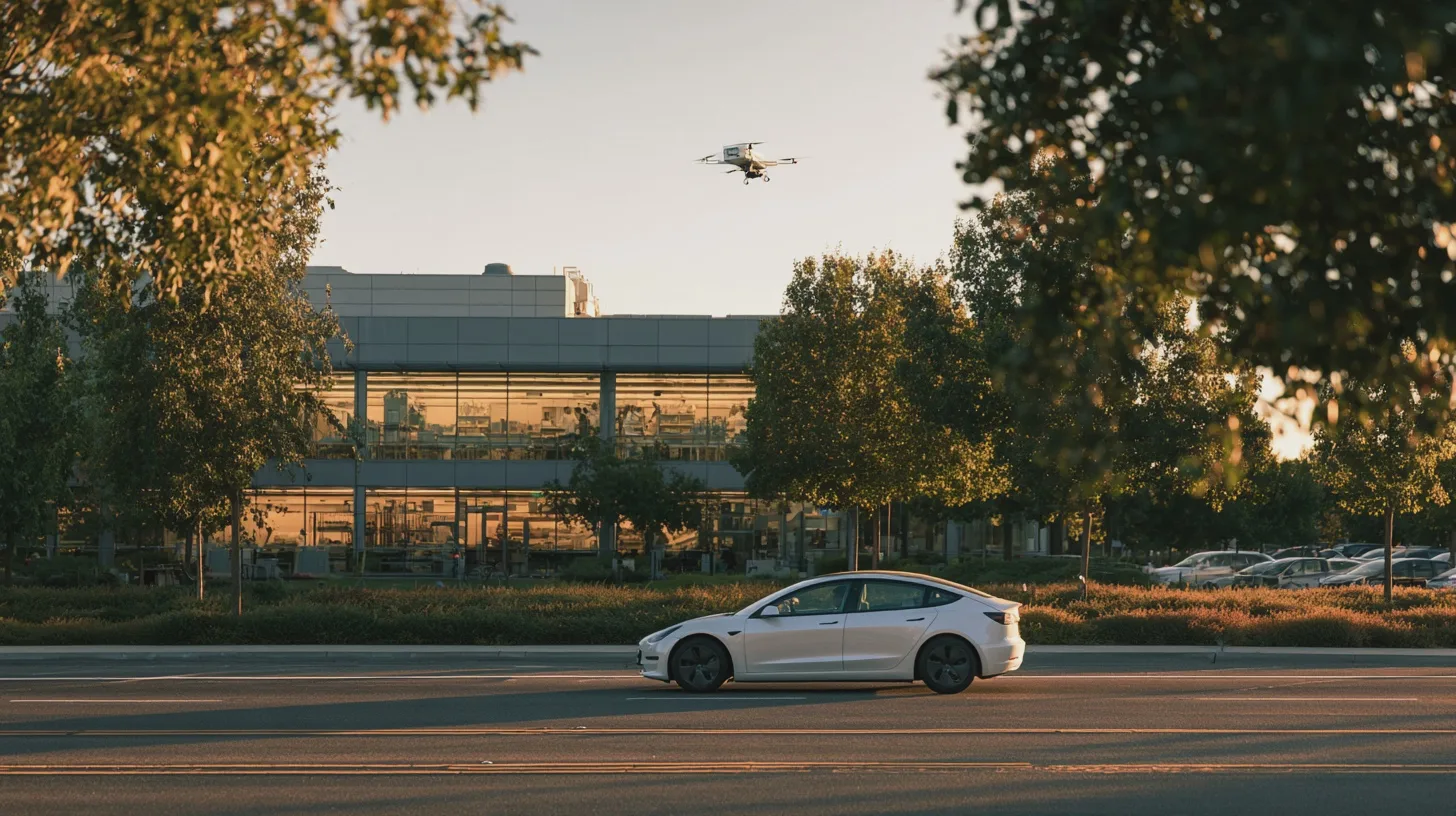
In the air, Alphabet’s drone company Wing already delivers small parcels in parts of the US and Australia. Amazon is the name more likely to buzz over a British garden, though, and it has a history here too. Its Prime Air team made its first drone delivery near Cambridge back in 2016, then quietly scaled back its UK operation. Now it has picked Darlington as the site for a new UK drone delivery service, subject to approval from the Civil Aviation Authority.
Royal Mail has taken a more practical route. It has used drones, working with the drone operator Skyports, to carry post between islands in Orkney, where ferries and weather make ordinary delivery slow and expensive. That’s probably the honest near-term picture for drones: remote places, light parcels and routes where a van or boat costs too much, rather than your weekly shop arriving by air in Surrey.
The catch for all drone delivery is regulation. Flying a drone beyond the operator’s line of sight is still tightly controlled in UK airspace, and widespread services depend on the Civil Aviation Authority opening that up.
Should this change how you invest?
Not on its own. If you hold a global or US tracker fund, or a workplace pension invested in one, you already have some exposure to Alphabet, and so a sliver of exposure to Waymo and Wing. You don’t need to do anything to get it, and the Other Bets losses are small next to Alphabet’s overall profits.
The bigger point is about concentration. A handful of American tech giants now make up a large share of many global funds. If you’re 55 and your pension is heavily tilted towards them, it’s worth knowing that, and deciding whether you’re comfortable with it. Whether you are is a personal call. If you’re not sure, MoneyHelper’s free guidance or an FCA-regulated financial adviser can help you look at your whole picture, and Pension Wise offers free appointments if you’re 50 or over and have a defined contribution pension.
Driverless cars may well change how you get around in your sixties and seventies. Just don’t bet your retirement on the date.
In short
Alphabet’s Other Bets lose billions of dollars a year, more than £3 billion, and that’s paid for by Google’s advertising profits. Some bets, like Loon and Makani, have already been written off. Waymo’s robotaxis are the most promising, while drone delivery in Britain is still at the trial stage with Amazon in Darlington and Royal Mail in Orkney. The Automated Vehicles Act 2024 means that once self-driving cars are authorised, expected from the second half of 2027, the company rather than the person in the seat will be responsible for how the car drives.
Andrew Ingram writes about money for men 45 and over – the years when retirement starts to feel real and the decisions get bigger. Pensions and retirement planning, investing, savings, mortgages and tax: what changed, what it means for your plans and what's worth doing about it. No hype, nothing to sell, and a clear steer on when it pays to get personal advice.
One of Midcent's writers. Spotted something? Write to andrew@midcent.uk.
You don’t need to sell the car and live on lentils to fix your pension after 50. These are the dull but effective levers that really make the difference, with real numbers.
Fear of missing out makes you buy high and sell low. Here’s why your brain falls for it, and the simple rules that stop a market frenzy emptying your ISA.