Reviewed, edited and approved by Editor-in-chief Daniel Sköld · Updated 2 November 2026
Contents
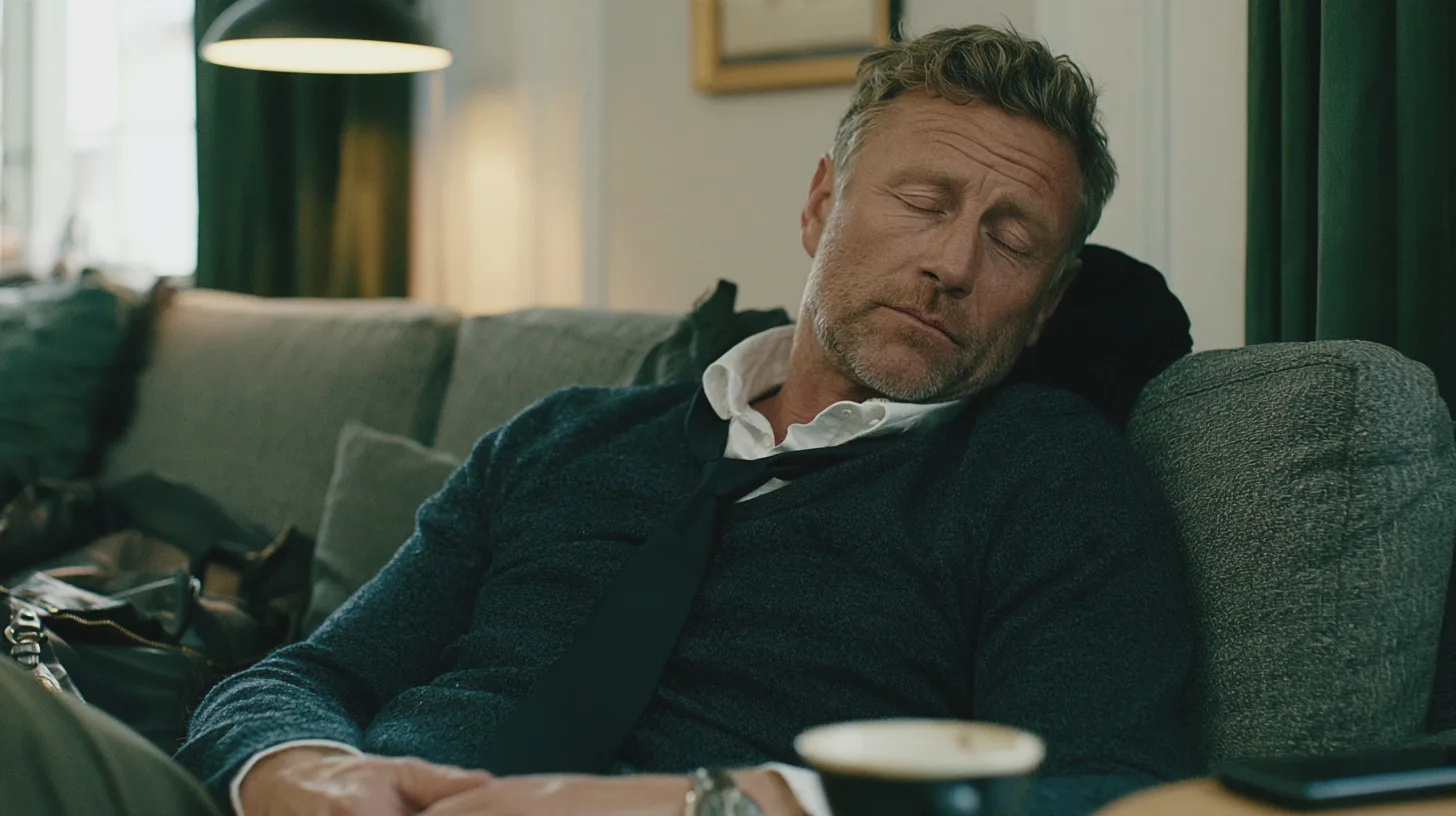
You fall asleep in front of the ten o’clock news, wake up at 3am with your brain running a full audit of your life, and by breakfast you’re furious with the toaster. You put it down to a busy patch. That was in March.
Stress is normal, and a bit of it is useful. Stress that doesn’t go away is a different thing, and men in midlife are very good at ignoring it until it gets loud. Here’s how to tell the difference and what to do about each.
AD
What does stress actually do to your body?
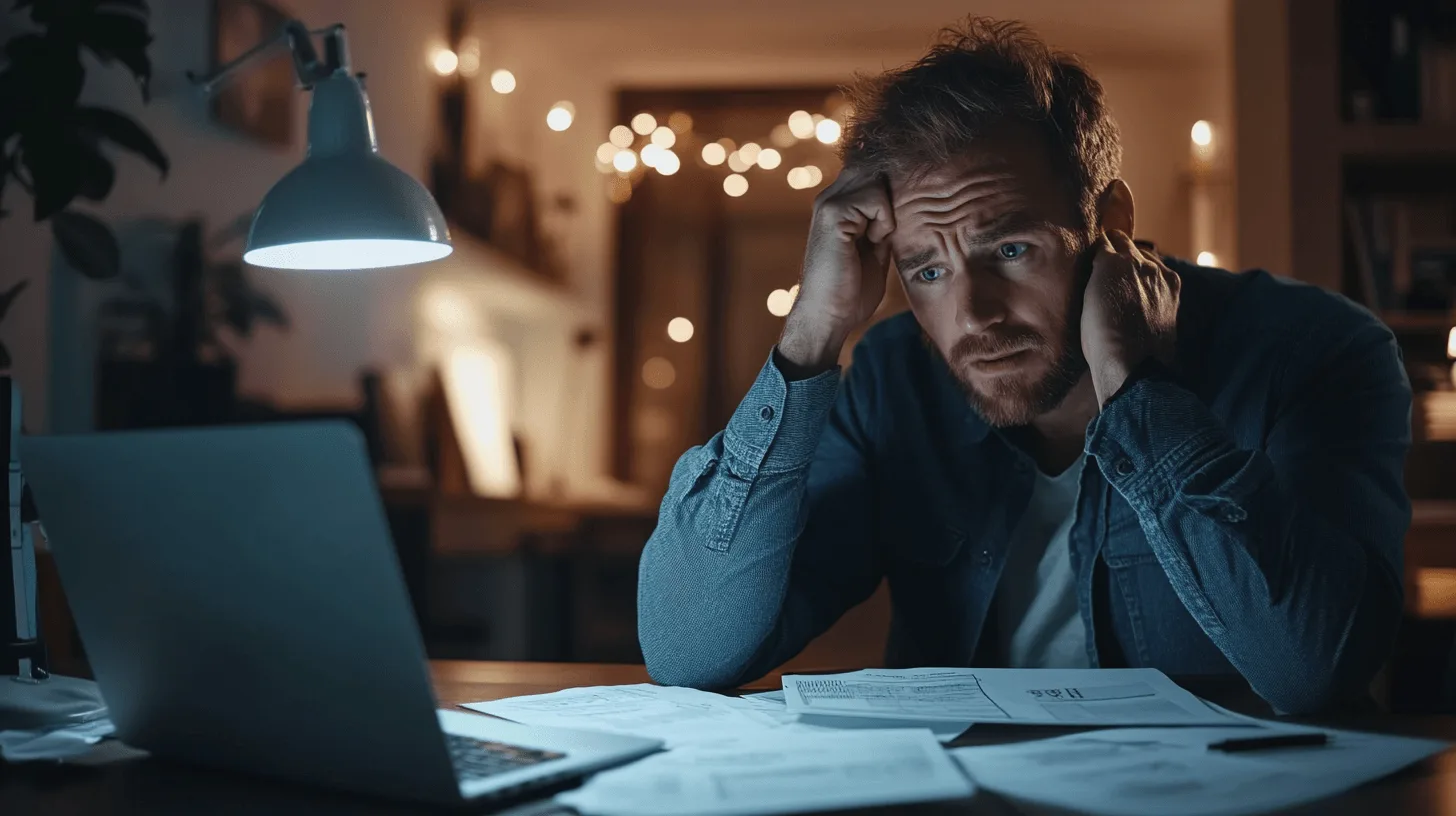
Stress is your body’s response to pressure. Adrenaline and cortisol get you ready to deal with a threat, and once the threat has passed they’re meant to settle back down. The trouble is that a mortgage, an ageing parent and a restructure at work don’t pass. They just sit there.
The NHS lists symptoms in three groups, and the physical ones often show up first. You might get headaches, tight shoulders, dizziness, an upset stomach, tiredness that sleep doesn’t fix, and eating or drinking more (or less) than usual.
Then there’s what goes on in your head: trouble concentrating, constant worrying, forgetfulness, and a feeling that everything is urgent and you can’t get on top of any of it.
And then how you behave. Being irritable, snapping at people, cutting yourself off from friends, and reaching for one more beer to unwind. Plenty of men only notice that last group when somone else points it out.
Why stress and sleep feed each other
Stress and poor sleep keep each other going. A wired brain won’t let you drop off, and a short night leaves you with less patience and more cortisol the next day. That’s how you end up dozing on the sofa at 9pm and wide awake at 3am. The evening nap takes the edge off the sleep pressure you need for bedtime.
The NHS sleep advice is dull but it works. Go to bed and get up at the same times, weekends included. Keep the bedroom dark, cool and free of screens. Cut back on caffeine after lunchtime, and don’t drink alcohol as a sleeping pill. It might knock you out, but it breaks up the second half of the night. Regular exercise helps too, just not a hard session right before bed.
One midlife-specific warning: if you snore loudly, wake up gasping, or someone tells you that you stop breathing at night, that could be sleep apnoea rather than stress. It’s worth seeing your GP about it.
Is it just stress, or something more?
A useful rough test is how long it’s lasted and how much it’s affecting your life. A tough fortnight before a deadline that eases off once the deadline has passed is ordinary stress. If you’ve been running on empty for weeks, your sleep is wrecked, you’ve lost interest in things you used to enjoy, or you’re getting through the evenings with a drink, that’s no longer a busy patch.
Long-term stress can turn into anxiety or depression, and it can look the same as other things. Thyroid problems, low iron, diabetes and some medicines can all cause tiredness, poor sleep and a short temper. That’s one good reason not to diagnose yourself.
If you’ve been telling yourself it’ll calm down after the next thing for several months, the next thing isn’t the problem.
AD
When should you see a GP about stress?
The NHS advice is to see a GP if you’re struggling to cope, if the things you’ve tried aren’t working, or if stress is affecting your sleep, your work or your relationships. You don’t need to be falling apart to book an appointment. “I haven’t slept properly for two months and I’m not myself” is a perfectly good reason.
Your GP can rule out physical causes, talk through what’s going on and discuss options. That might mean self-help resources, talking therapy and, in some cases, medicine. Whether medicine is right for you is a decision for you and your doctor. If you already take medicine and think it’s affecting your sleep or mood, speak to your GP or pharmacist rather than stopping it yourself.
If you’re in England and aged 40 to 74, the free NHS Health Check is also worth booking. Blood pressure, weight and cholesterol tend to drift the wrong way when you’re under long-term stress, and the check will pick that up.
Can you refer yourself for talking therapy on the NHS?
In England, you can. NHS Talking Therapies is free and treats stress, anxiety and depression. You can refer yourself online without seeing a GP first. Treatment usually means cognitive behavioural therapy (CBT) or counselling, done one-to-one, in a group, by phone, by video or through guided online courses. Waiting times depend on where you live.
It works differently elsewhere in the UK. In Scotland, Wales and Northern Ireland, psychological therapies are usually arranged through your GP, although some areas have their own self-referral or online CBT services. Ask your surgery what’s available locally. The NHS Every Mind Matters website is a free place to start in the meantime, with a short quiz that gives you a personal action plan.
The basics are boring but they help: daily exercise, keeping within the UK Chief Medical Officers’ limit of 14 units of alcohol a week, and actually telling someone. Most men’s first instinct is to keep it to themselves, and it’s usually the wrong one.
When it can’t wait
If you need help quickly but it’s not an emergency, call NHS 111. In England and Wales you can choose the mental health option, and in Scotland NHS 24 on 111 gives you the same kind of support.
If you’re having thoughts of harming yourself or ending your life, Samaritans will answer any time, day or night, on 116 123. The call is free. If you or someone else is in immediate danger, call 999 or go to A&E.
In short
Short bursts of stress are normal, but if you’ve had poor sleep, irritability, low mood or physical symptoms for several weeks and your usual fixes aren’t working, book a GP appointment. In England you can also refer yourself to NHS Talking Therapies. In Scotland, Wales and Northern Ireland, ask your GP about therapy. For urgent help, call NHS 111, or Samaritans free on 116 123 at any hour, and call 999 in an emergency.
Adrian Irving writes about health for men 45 and over who would rather do something than worry. Training, weight loss, sleep, cholesterol and blood tests, heart health, testosterone, the prostate, mental health and your sex life – what the evidence says, what's worth trying, and when it's time to see your GP.
One of Midcent's writers. Spotted something? Write to adrian@midcent.uk.
You might not feel stressed, but your body may disagree. How to spot the quiet signs of chronic stress in midlife, what it does to your heart, and how to fight back.
Depression in men often looks more like anger, long hours or a bottle of wine a night than sadness. Here’s how to spot it in yourself or a mate, and where to get help.
Tiredness, a short fuse and a flat feeling that won’t lift can be more than a bad patch. How to spot early depression in midlife, and where to get help.
A stress-free life after 50 is unlikely. A life where pressure stops running the show is more realistic. Here’s what helps, and when to ask for support.