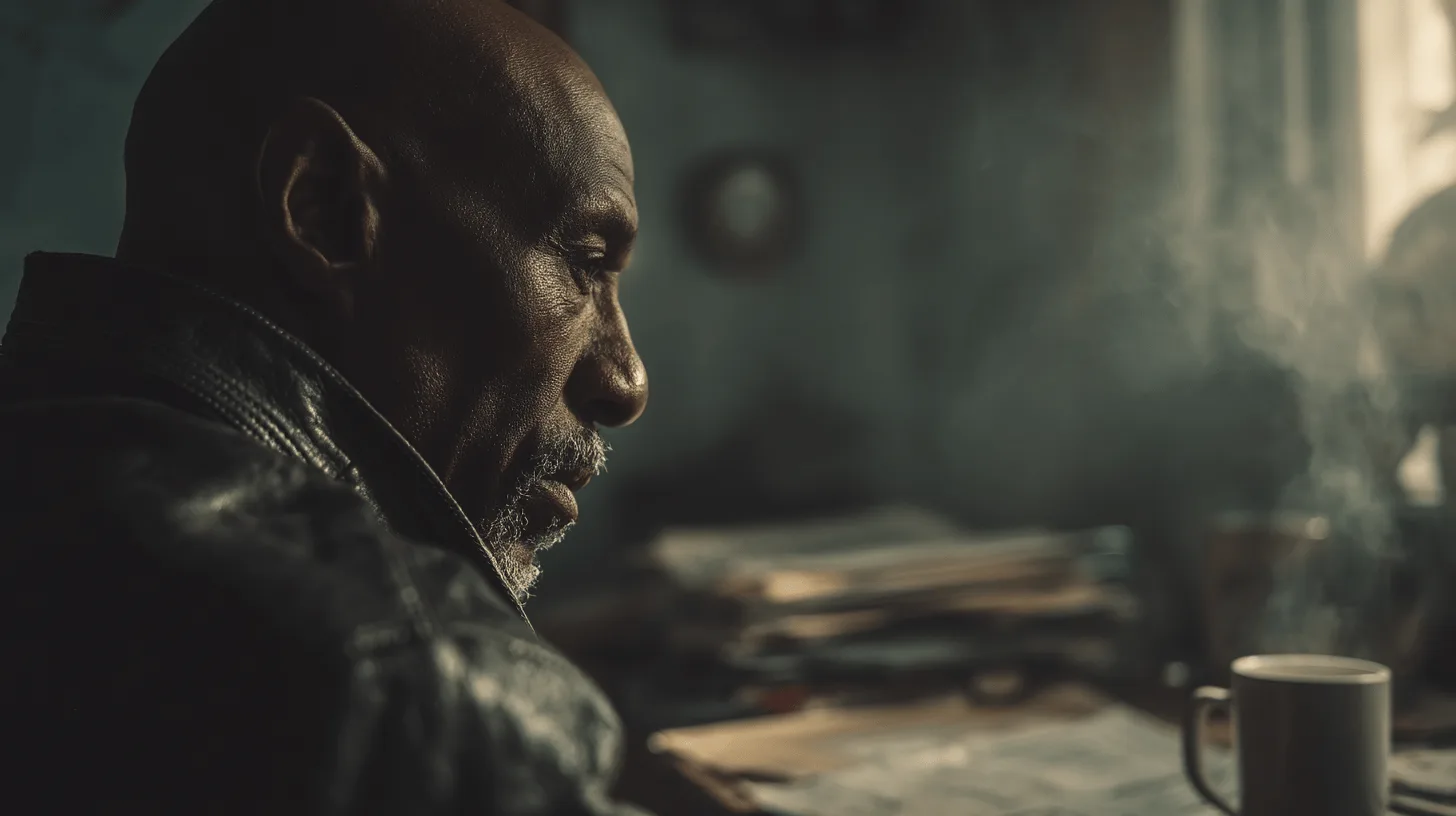
Depression in men often looks more like anger, long hours or a bottle of wine a night than sadness. Here’s how to spot it in yourself or a mate, and where to get help.
Reviewed, edited and approved by Editor-in-chief Daniel Sköld · Updated 26 October 2026
Contents
Ask most people what depression looks like and they’ll describe someone tearful, staying in bed with the curtains shut. Fair enough. But plenty of men in their forties and fifties get depressed in a way that looks nothing like that. They work later, snap more, drink a bit more and go quiet at the pub. Everyone, including the man himself, puts it down to stress, age or just being a grumpy so-and-so.
That’s why it stays hidden. It isn’t really invisible. It’s just dressed up as something else. Here’s what to look for, and what to do about it.
AD
What does depression in men actually look like?
The NHS lists the core symptoms of depression: low mood that lasts for weeks rather than days, losing interest or pleasure in things you used to enjoy, feeling hopeless, and changes to sleep, appetite and energy. Those apply to everyone. In men, though, they often come wrapped in other behaviour.
Watch for these:
Irritability and anger. You’ve got a shorter fuse with your partner, your kids, other drivers and the self-checkout. Lots of men who wouldn’t say they feel sad would admit they feel angry most of the time.
Burying yourself in work. Long hours look admirable from the outside. Sometimes they’re a way of never having to sit still with your own thoughts.
Drinking more, or more often. The UK Chief Medical Officers advise no more than 14 units a week, spread over several days. If the nightly glass or two has turned into the only time you feel switched off, take note.
Pulling away from people. You turn down invitations, let friendships drift and spend more evenings alone in the shed or on your phone.
Taking risks. Driving too fast, gambling or doing things that would have made you wince ten years ago.
Physical complaints. Headaches, a bad back, stomach trouble, poor sleep, constant tiredness and a fading sex drive can all be part of depression. Many men take these to the GP and never mention their mood.
Research suggests men are more likely than women to report anger, drinking and risk-taking when they’re depressed. This isn’t a separate condition. It’s the same illness in different clothes, which is partly why it gets missed.
Why midlife men are so good at hiding it
Part of it is how most of us were brought up. Many men now in their fifties learned early that you get on with it and don’t make a fuss. That’s useful when the boiler packs up. It’s no use at all when your brain chemistry has gone sideways.
Midlife also hands you a lot to deal with at once: ageing parents, teenagers or an empty nest, money worries, redundancy, divorce, a body that doesn’t recover the way it used to. Each of these makes it easier to explain the symptoms away. Of course you’re tired and short-tempered. Look at everything going on.
And men are less likely to talk to a GP about their mental health in the first place. The Men’s Health Forum has long pointed out that men use primary care less than women do, and mental health is where the gap matters most.
Depression in men rarely announces itself. It turns up as anger, overwork or another drink, and gets called stress.
This matters because the stakes are high. Office for National Statistics figures show that men account for roughly three-quarters of suicides in England and Wales, and men in midlife are among the groups most at risk. Not every depressed man is in danger, far from it. But hidden depression that goes untreated for years is exactly the kind that can catch everyone off guard.
AD
How do I know if I’m depressed or just stressed?
Stress is usually tied to a specific pressure and eases when that pressure lifts. With depression, the low mood or flatness stays even when the pressure has gone: on holiday, at the weekend, after the big project is finished.
GPs often start with two simple questions. Over the past month, have you often felt down, depressed or hopeless? And have you had little interest or pleasure in doing things? If the honest answer to either is yes, and it’s been going on for more than a couple of weeks, it’s worth a proper conversation with your GP. That isn’t a diagnosis. It’s a sign you should get checked.
It’s also worth getting a general check-up, because some physical problems can drag your mood down, including an underactive thyroid and low testosterone. If you’re 40 to 74 and live in England, you can get a free NHS Health Check every five years. It doesn’t cover mental health directly, but it can be a less daunting way into the GP surgery. The other UK nations run their own health check arrangements, so ask your practice what’s available.
How can I tell if a friend or partner is hiding depression?
Look for change rather than personality. If your normally sociable mate has stopped turning up, your brother-in-law has started making dark jokes about not seeing the point, or your partner is suddenly snapping at everyone, that shift is what matters.
You don’t need a script. Something like “You’ve seemed a bit flat lately. Everything all right?” is enough. Then comes the hard part: shut up and listen. Don’t rush to fix it, and don’t take the first “I’m fine” as final. Ask again, side by side on a walk or in the car, where it feels less like an interrogation.
If someone mentions feeling hopeless or not wanting to be here, ask them directly whether they’re thinking about suicide. Asking does not put the idea in their head. It gives them permission to be honest.
Where to get help on the NHS
Your GP is the usual starting point anywhere in the UK. Treatment for depression depends on how severe it is and what you’d prefer, and can include guided self-help, talking therapies such as cognitive behavioural therapy, exercise programmes and medication. Any decision about antidepressants is one to make with your GP. If you’re already taking them, don’t stop without talking to your GP first.
In England you can refer yourself to NHS Talking Therapies without seeing a GP. Search for your local service on the NHS website. In Scotland, Wales and Northern Ireland, access varies by health board or trust. Your GP is the usual route in, though some areas accept self-referrals, so it’s worth checking locally.
If you need urgent help but it isn’t an emergency, call NHS 111 and choose the mental health option in England or Wales. In Scotland, call NHS 24 on 111. In Northern Ireland, Lifeline is on 0808 808 8000. Samaritans answer 24 hours a day on 116 123, free, and you can text SHOUT to 85258. If you or someone else is in immediate danger, call 999.
Exercise, decent sleep, cutting back on drink and spending time with people all help, and the evidence for exercise in mild to moderate depression is reasonably good. But they work best alongside proper treatment, not as a replacement for it. A five-mile run won’t fix things you haven’t told anyone about.
In short
In men, depression often shows up as anger, overwork, heavier drinking, withdrawal or physical aches rather than obvious sadness, which is why it goes unnoticed. If you’ve had low mood or lost interest in things for more than a couple of weeks, talk to your GP. In England you can also refer yourself to NHS Talking Therapies. For urgent help, call NHS 111, Samaritans on 116 123, or 999 in an emergency.
Adrian Irving writes about health for men 45 and over who would rather do something than worry. Training, weight loss, sleep, cholesterol and blood tests, heart health, testosterone, the prostate, mental health and your sex life – what the evidence says, what's worth trying, and when it's time to see your GP.
One of Midcent's writers. Spotted something? Write to adrian@midcent.uk.
Tiredness, a short fuse and a flat feeling that won’t lift can be more than a bad patch. How to spot early depression in midlife, and where to get help.
The sports car is a cliché. The restlessness, flat mood and 3am questions often aren’t. How to tell a midlife wobble from depression, and what actually helps you through it.
You might not feel stressed, but your body may disagree. How to spot the quiet signs of chronic stress in midlife, what it does to your heart, and how to fight back.
Weight-loss jabs can take away more than your appetite. Here’s what they do to mood, pleasure, muscle and your social life, what the evidence says, and when to get help.