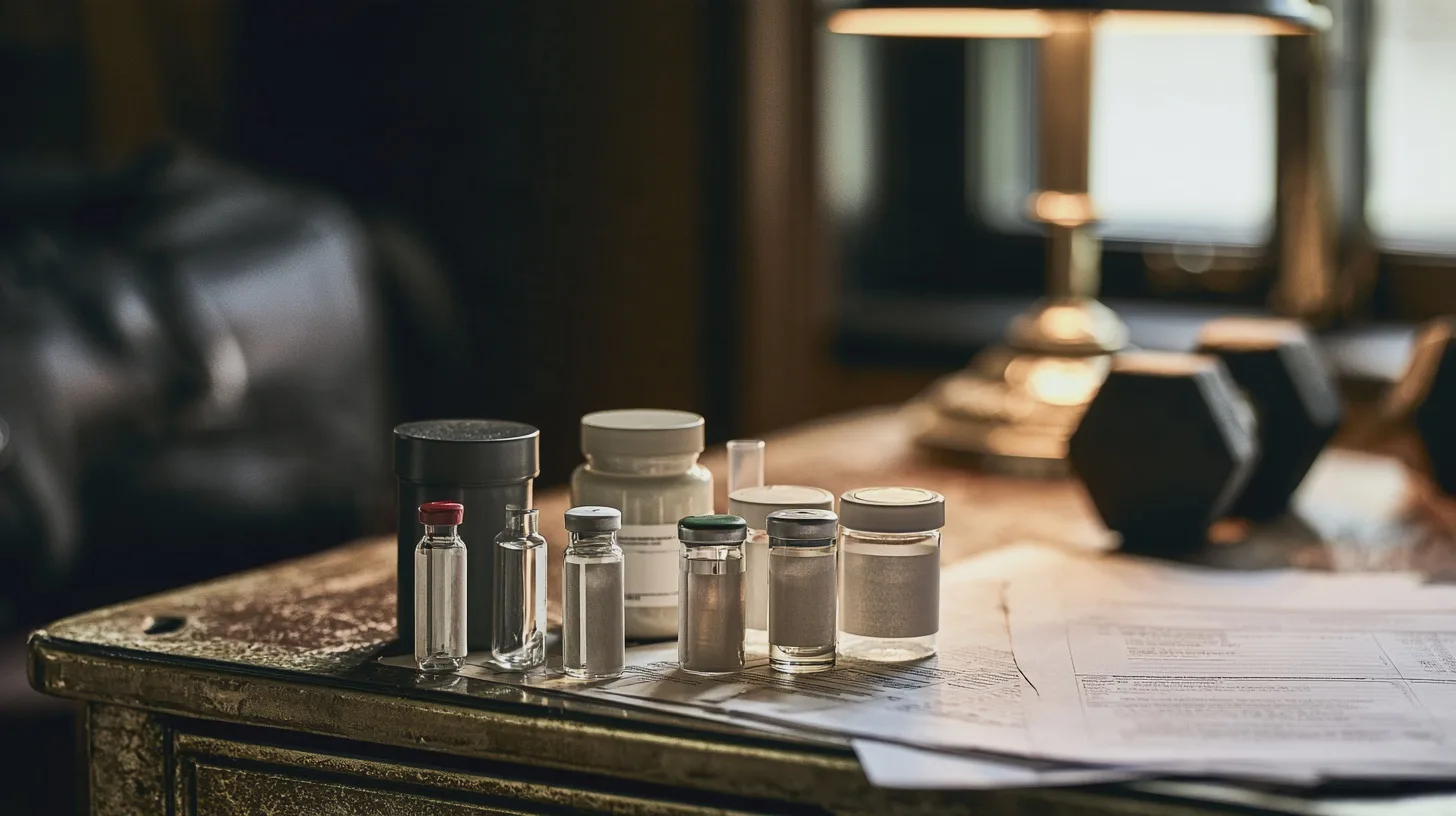
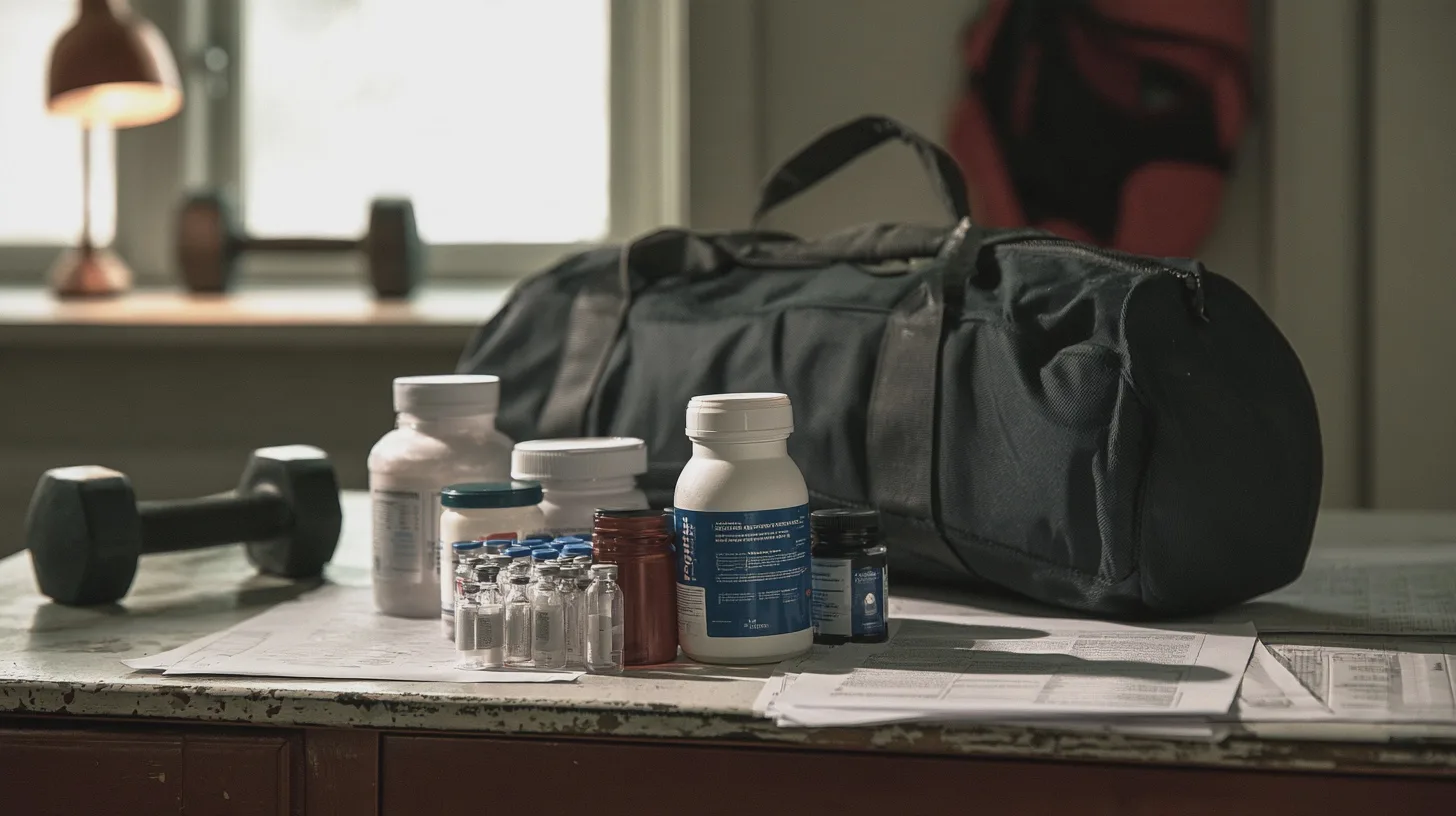
Peptide jabs and nasal sprays: what are you really buying?
Peptides are sold online for fat loss, recovery and longer life. Here’s what the evidence shows, what UK law says, and why the cheap vials carry real risks.
Reviewed, edited and approved by Editor-in-chief Daniel Sköld · Updated 2 November 2026
Contents
Somewhere between the gym changing room and your social media feed, peptides have become the new protein shake. They’re said to burn fat, mend dodgy knees, boost growth hormone and add healthy years. They come in small glass vials you mix up and inject into your belly, or in nasal sprays that look like something for hay fever.
Some of this is real science. A lot of it is marketing with a lab coat on. Here’s how to tell which is which, and what UK law makes of a parcel of “research chemicals” arriving at your door.
AD
What are peptides, and why is everyone injecting them?
A peptide is just a short chain of amino acids, the building blocks of protein. Your body makes hundreds of them, and many work as chemical messengers that switch hormones and repair processes on and off.
Here’s the part the online sellers tend to skip: some of the most successful medicines of the past century are peptides. Insulin is one. So are semaglutide (Wegovy and Ozempic) and tirzepatide (Mounjaro), the weight-loss and diabetes jabs that have changed how doctors treat obesity. Those drugs went through years of large trials, and they are made under strict controls.
The peptide boom rides on that success. If one peptide can take a stone or two (6 to 13kg) off a man who has struggled for decades, the reasoning goes, why not try the ones promising to heal tendons, build muscle or slow ageing? The trouble is that most of those haven’t been through anything like the same testing.
Do peptides like BPC-157 actually work?
Take BPC-157, probably the most talked-about “healing” peptide. It’s a lab-made fragment based on a protein found in stomach juices, and it’s sold for injuries, gut problems and general recovery. Most of the research behind it was done on rats and in lab dishes. Good human trials are scarce. Animal results often don’t carry over to people, which is why most promising compounds never become medicines.
BPC-157 is also on the World Anti-Doping Agency’s banned list as a substance with no approval for human use. That tells you less about whether it works than about how little is known.
Then there are the growth hormone boosters, such as ipamorelin and CJC-1295, sold as anti-ageing or muscle-building aids. Again, there are no licensed uses and very little solid human evidence that they help healthy middle-aged men live longer or better. Raising growth hormone isn’t automatically a good thing, either. Too much of it brings its own problems.
And the tanning peptide melanotan, sold as injections and nasal sprays, has been the subject of MHRA warnings for years. It’s unlicensed, and doctors have raised concerns about side effects and changes to moles.
The honest summary: for most peptides sold online, the evidence ranges from weak to almost nil.
Is it legal to buy peptides online in the UK?
In the UK, any product sold to treat, prevent or change how the body works counts as a medicine. It needs a licence from the Medicines and Healthcare products Regulatory Agency (MHRA) before it can be sold or supplied. Almost none of the peptides sold through websites and social media have one.
That’s why so many come labelled “for research purposes only” or “not for human consumption”. The label doesn’t make them legal for you to use, and it doesn’t make selling them legal either if they’re clearly being marketed to people who plan to inject them. Supplying unlicensed medicines in this way breaks the law, and the MHRA regularly seizes illegal products and shuts websites down.
Weight-loss drugs are the obvious example. Semaglutide and tirzepatide are prescription-only medicines across the UK. You can legally get them through the NHS if you meet the criteria, or privately from a registered pharmacy after a proper consultation. Anything sold without a prescription, including cheap “research” semaglutide or tirzepatide powder, is illegal.
The same goes for retatrutide, a newer weight-loss drug creating a buzz online. It’s still in clinical trials and isn’t licensed anywhere, so any vial offered for sale didn’t come from a legitimate supply chain.
If a website can sell you a medicine without asking a single question about your health, it isn’t looking after your health.
AD
Why are grey-market peptides so cheap, and what’s the catch?
Price is a big part of the appeal. Privately prescribed weight-loss jabs often cost somewhere around £150 to £300 or more a month, depending on the drug and dose, and Mounjaro’s UK price went up sharply in 2025. A vial of “research” peptide powder can cost a fraction of that.
There’s a reason for the gap. With an unlicensed product, nobody is checking what’s in the vial. Testing of seized products around the world has found wrong doses, the wrong ingredient, contamination, or nothing useful at all. The World Health Organization has issued global alerts about fake semaglutide, and people in the UK have ended up in hospital after using illegal weight-loss pens.
Then there’s the injecting. Mixing powder with water at your kitchen table and injecting it brings risks of infection and dosing mistakes, even if the product is exactly what the label says. Licensed pens are made in sterile conditions and come with set doses. A home-mixed vial doesn’t.
And if something goes wrong, you’re on your own. There’s no patient leaflet you can trust, no prescriber who knows what you took, and no manufacturer you can hold responsible.
The safer route if you’re tempted
If it’s weight you want to shift, start with your GP or a pharmacist. In England, the free NHS Health Check for adults aged 40 to 74 is a useful starting point, covering blood pressure, cholesterol and your risk of heart disease and diabetes. Scotland, Wales and Northern Ireland don’t run the same programme, so ask your GP practice what’s available. Access to NHS weight-loss jabs is being phased in and varies between the four nations and between local areas, so ask what you qualify for.
If you go private, check the pharmacy is genuine. In Great Britain, pharmacies must be registered with the General Pharmaceutical Council, and you can search its online register. In Northern Ireland, the regulator is the Pharmaceutical Society of Northern Ireland. A legitimate service will ask about your health, weight and medicines before prescribing anything.
For joint pain, slow recovery or low energy, there’s no shortcut in a vial. Strength training, enough protein, decent sleep and a check on things like testosterone, thyroid and vitamin D will get you further. A physio is worth more than a peptide forum.
If you’ve already used a peptide product and feel unwell, speak to a pharmacist or GP, or call NHS 111 for urgent advice. Call 999 for chest pain, breathing problems or a severe allergic reaction. You can also report suspected side effects or fake products to the MHRA through its Yellow Card scheme, which helps it track dangerous products.
In short
Some peptides, such as insulin and the GLP-1 weight-loss drugs, are proven medicines, but in the UK they’re prescription-only and come from regulated suppliers. Most peptides sold online as “research chemicals” for fat loss, healing or anti-ageing are unlicensed, have little human evidence behind them, and could contain anything. If you’re tempted, talk to your GP or a registered pharmacist first. The cheap vial is usually the expensive mistake.
Adrian Irving writes about health for men 45 and over who would rather do something than worry. Training, weight loss, sleep, cholesterol and blood tests, heart health, testosterone, the prostate, mental health and your sex life – what the evidence says, what's worth trying, and when it's time to see your GP.
One of Midcent's writers. Spotted something? Write to adrian@midcent.uk.
Vitamin D in winter and creatine for your muscles have decent evidence behind them. Plenty of what’s on the pharmacy shelf doesn’t. Here’s how to spend your money sensibly.
The Mounjaro price rise pushed plenty of men off weight-loss jabs. Here’s what the evidence says happens to your weight, and your heart, once you stop.
Weight-loss jabs can take away more than your appetite. Here’s what they do to mood, pleasure, muscle and your social life, what the evidence says, and when to get help.