The NHS artificial pancreas is real. Here’s the catch
Hybrid closed-loop systems can take some of the work out of managing type 1 diabetes. Here is what they actually do, who can get one and what still needs your attention.
Reviewed, edited and approved by Editor-in-chief Daniel Sköld · Updated 23 October 2026
Contents
Imagine handing over the overnight arithmetic of type 1 diabetes to a device that checks your glucose and adjusts your insulin while you sleep. That is the appeal of the so-called artificial pancreas — and it is already being offered on the NHS.
The name oversells it. The technology can remove a remarkable amount of routine work, but you still have to manage meals, maintain the kit and know what to do when it fails. Nor does an NHS recommendation mean everyone who qualifies can collect one tomorrow.
AD
How does an artificial pancreas actually work?
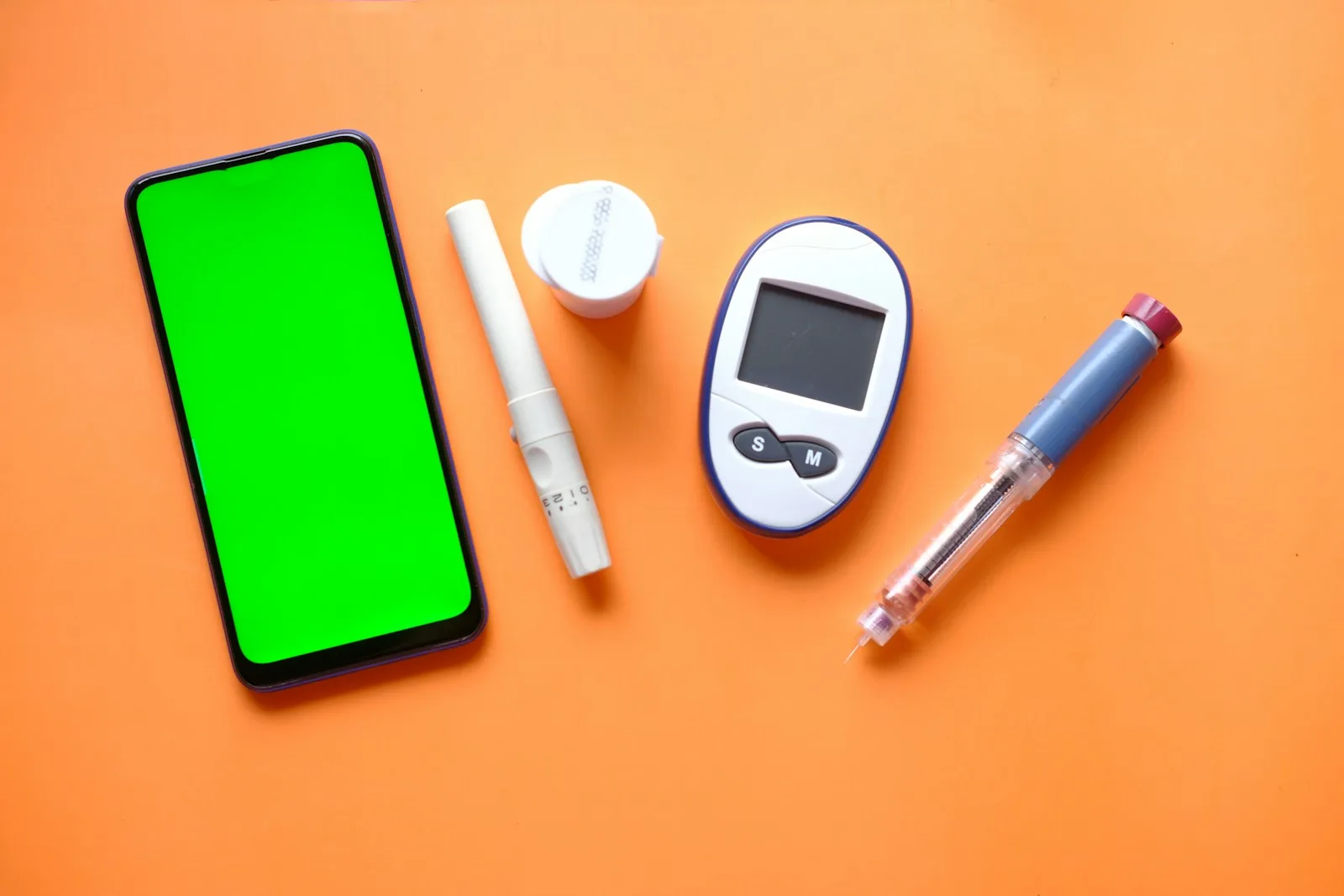
Its less glamorous name is a hybrid closed-loop system. A continuous glucose monitor, or CGM, uses a small sensor under the skin to measure glucose in the fluid around your cells. An insulin pump delivers insulin. A computer programme — an algorithm — connects the two, reads the sensor data and automatically adjusts insulin delivery to help keep glucose within a target range.
The programme might run in the pump or on a compatible device. Despite the talk of AI, this is not a chatbot making medical decisions on a whim. It is a system built for a specific job: responding to glucose readings by adjusting insulin. The important question is how reliably the whole combination works for you, not whether somebody has put ‘AI’ on the box.
‘Hybrid’ is doing considerable work in that name. You normally still tell the system about carbohydrates in meals and snacks so it can calculate a mealtime insulin dose. You also need to account for exercise. A pump and sensor do not automatically become a closed-loop system merely because you wear both: they must be compatible and able to communicate.
For someone who has spent years checking readings and making repeated adjustments, the prize is not avoiding every decision. It is having fewer decisions demanding attention at three in the morning.
Does it mean no more finger-pricks or injections?
It generally means fewer finger-prick checks and no routine insulin injections while the pump is working. It does not mean throwing away your meter or insulin pens. You may need to check a surprising sensor reading against a finger-prick result, and you need a back-up plan if the pump or its insulin-delivery set fails.
There is also physical upkeep: replacing sensors and pump supplies, keeping the insulin reservoir filled and dealing with alerts. Meals still need carbohydrate estimates. Strenuous exercise or a badly estimated meal can change your glucose faster than the system can comfortably respond. If you were hoping to stop thinking about diabetes altogether, the advertising department has got ahead of the engineering department.
The real breakthrough is less constant decision-making, not freedom from responsibility.
The safety point matters. Pumps use rapid-acting insulin rather than providing a reserve of long-acting insulin. If delivery stops, diabetic ketoacidosis — a dangerous build-up of acids called ketones — can develop quickly. Ask your diabetes team for a personal plan covering unexpected high readings, ketone testing, sick days and back-up insulin. Do not assume the algorithm can fix a blocked cannula by trying harder.
Evidence considered by the National Institute for Health and Care Excellence, or NICE, found that hybrid closed-loop systems improve glucose management compared with standard approaches. That is a meaningful result, not a promise that every hypo — an episode of low blood glucose — or longer-term complication disappears.
AD
Who can get one on the NHS?
The current routine recommendation is for people with type 1 diabetes, not everyone who uses insulin. Under NICE guidance published in December 2023 for England and Wales, eligible adults include those with an HbA1c of at least 58 mmol/mol, or disabling hypos, despite the best possible management with an insulin pump or glucose monitor. HbA1c is a blood test reflecting average glucose over the preceding months. Children and young people with type 1 diabetes, and people with type 1 who are pregnant or planning pregnancy, are also covered.
There is no special cut-off at 50 or 60. If you have managed type 1 diabetes for decades, your age alone is not the deciding factor. Equally, having type 1 does not automatically meet the adult criteria. Type 2 diabetes is not covered by this routine rollout, although research into other uses continues.
In England, the NHS began a phased five-year rollout on 1 April 2024. Early priority includes children, people who are pregnant or planning pregnancy, and adults already using pumps. Specialist teams need time to train and support users, so eligibility is not the same as immediate availability. Bring your glucose records and the practical problems you face to your next diabetes appointment; ask whether you qualify, what your local team offers and when you might be assessed.
The four nations do not share one queue. Wales has also agreed a five-year rollout under the NICE recommendation. Scotland has separate guidance, published in 2022, which says closed-loop systems should be discussed proactively with people who have type 1 diabetes, particularly where glucose management, severe hypos or diabetes-related distress are problems. Northern Ireland has adopted the NICE recommendation; its Department of Health described a phased regional implementation in June 2026. In every nation, ask your own diabetes team about the local pathway rather than relying on an English waiting-time story.
Is it worth paying for one yourself?
Possibly, but this is a medical system, not a smartwatch upgrade. Diabetes UK gives an indicative price of £2,000–£3,000 for a compatible pump, around £1,500 a year for pump supplies and about £2,000 a year for a CGM. Those are guide figures, not a quote for a complete setup: products and ongoing costs vary, and the parts must work together.
Before spending anything, talk to a diabetes specialist who understands closed-loop systems. Ask whether you qualify for NHS provision, whether your existing sensor could be used, who will train you and what support you would receive if you self-fund. Do not buy a pump first and discover afterwards that it cannot connect to the sensor you already wear.
For the right person, this is unusually persuasive health technology: it tackles the tedious, relentless part of managing type 1 rather than merely putting another graph on your phone. But it is not a replacement pancreas, a cure or a purchase to make without clinical support. Sometimes the smartest component in the loop is knowing when to call your diabetes team.
In short
The NHS artificial pancreas is a hybrid closed-loop system that links a glucose sensor to an insulin pump and automatically adjusts insulin delivery. It can ease the workload of type 1 diabetes, but you still manage meals, maintain the equipment and need a failure plan. Access depends on clinical eligibility and where you live; in England, the phased rollout began on 1 April 2024.
Alex Innes explains technology for men 45 and over who have seen every gadget since the ZX Spectrum and are not easily impressed. AI and ChatGPT, phones, cars, the smart home, the subscriptions worth keeping and staying safe online – what it does, whether it's worth the money, and whether you need it at all.
One of Midcent's writers. Spotted something? Write to alex@midcent.uk.
Soil tests and wireless moisture sensors promise a perfect lawn without the guesswork. Here is what they actually measure, what you can skip, and when a trowel is enough.
Sensors now run your heating, watch your doorstep and keep the motorway moving. Here’s what they collect, what UK law now requires of them and how to keep them under control.
AI can sift applications, set shifts and flag performance. That does not make it a good manager. Here is where the software helps, where it fails and what you can challenge.