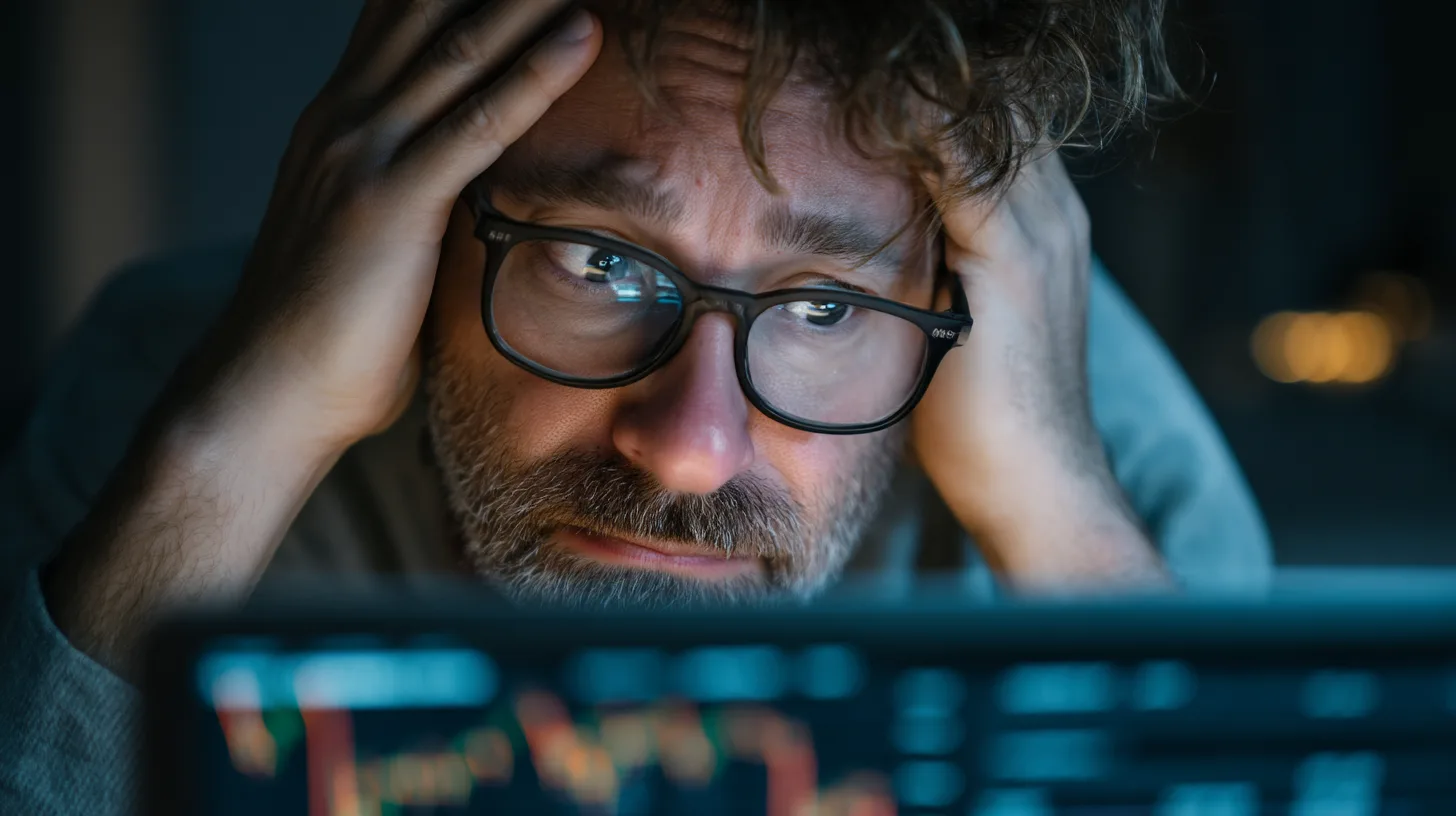
A trading app can turn every price movement into a personal emergency. Here is how to judge the strain, the financial risk and whether it is worth either.
Reviewed, edited and approved by Editor-in-chief Daniel Sköld · Updated 22 October 2026
Contents
You check a share price before breakfast. By lunch you have made three trades, missed half a meeting and promised yourself you will stop looking at the app. Then it buzzes again.
Day trading can feel productive: numbers, decisions, immediate results. But if you are approaching retirement, the question is not simply whether you can make a profit. It is what the routine does to your sleep, your judgement and the money you will need later.
AD
Can day trading damage your health?
It would be a leap to say that day trading causes heart attacks. There is no sound basis for diagnosing a medical condition from someone’s trading history, either. What you can say is that an activity which keeps you worried, wired and checking prices long after you meant to stop may be a source of stress.
The NHS lists headaches, muscle tension and stomach problems among possible physical symptoms of stress. It also lists difficulty concentrating, constant worry, irritability and changes in sleep or drinking. Those signs are not proof that trading is the cause. Work, family and health worries do not politely take turns. But if the symptoms ease when you step away from the market and return when you open the app, that is worth noticing.
Keep a simple record for a fortnight: when you trade, when you check prices, how you sleep and whether the activity spills into work or home life. This is not a medical test. It is a way to see whether what you call a hobby is taking up rather more room than you intended.
Do not dismiss chest pain as trading nerves. If you have sudden chest pain or discomfort that does not go away, pain spreading to your arm, neck or jaw, or chest pain with sweating or breathlessness, call 999. For stress you are struggling to manage, speak to your GP. The routes into NHS mental health support differ across England, Scotland, Wales and Northern Ireland; your GP can help you find local support.
Why can a small trade feel like a big emergency?
A long-term investment plan may be checked occasionally. Day trading invites you to react repeatedly, often to movements you cannot control. A winning trade can tempt you to increase the next stake; a losing one can make getting back to even feel urgent. Neither feeling is a plan.
The arithmetic is less emotional. If a £10,000 trading pot falls by 10%, you have £9,000. It then needs to rise by about 11.1% just to return to £10,000, before any costs. Check the result after dealing charges, spreads and any other fees, not just the satisfying green number on a screen.
The stakes can rise sharply with contracts for difference, or CFDs. These let you speculate on a price moving up or down without owning the underlying asset. They use leverage, so a relatively small deposit controls a larger position. In a simplified example, £200 supporting £1,000 of exposure would lose £50 if the price moved 5% against you, before costs. That is a quarter of the £200 deposit. Actual outcomes depend on the product and its terms.
The Financial Conduct Authority treats CFDs as high-risk. UK retail-client rules include leverage limits and protection against losing more than the money in a CFD trading account, but those safeguards do not make a bad trade harmless. Be particularly wary of pressure to classify yourself as a professional client: you can lose retail protections. And do not mistake a story about CFD losses for a statistic about everyone who buys and sells ordinary shares. They are different activities with different risks.
If you cannot leave the screen without worrying about the money, the size of the risk may already be wrong for you.
AD
Does an ISA make day trading safer?
A stocks and shares ISA deals with tax, not market risk. For the 2026–27 tax year, running from 6 April 2026 to 5 April 2027, the overall ISA subscription limit is £20,000. Income and gains on eligible investments held inside an ISA are tax-free. The ISA rules apply across the UK; there is no separate Scottish, Welsh or Northern Irish ISA allowance.
None of that guarantees a return. Putting £10,000 into eligible shares inside an ISA does not prevent their value falling to £9,000. An ISA cannot refund a poor decision or make frequent trading a retirement strategy. It is a wrapper, not a seat belt.
It also matters which money you are putting at risk. The emergency savings that would cover a broken boiler, or cash you expect to need soon, have a different job from money invested for the longer term. MoneyHelper suggests considering your debts, accessible savings, investment timescale and ability to bear losses before investing. That is less exciting than a price alert, admittedly. It is also more useful when the boiler actually breaks.
A quieter test for your money and your head
Start by asking what trading is meant to achieve. Is it entertainment you can afford, or are you relying on it to close a gap in your retirement plans? Those are very different propositions. If losing the entire amount you have set aside for trading would change your retirement date, debt repayments or household spending, treat that as a warning about the amount at risk.
Look at your own records rather than your best trade. Compare the money paid in with what you could take out now, allowing for costs. Note the hours spent watching prices as well. If trading has become a way of recovering yesterday’s loss, consider taking a break and putting some distance between yourself and the alerts. You need not settle your entire financial future before turning off a notification.
For longer-term money, the question is whether your investments fit when you expect to use them and how much loss you can afford. Spreading investments can reduce dependence on one company or market, although it cannot remove risk. If you are weighing up decisions about a defined contribution pension, Pension Wise offers free, impartial appointments for eligible people aged 50 and over. For a personal investment or retirement plan, consider an FCA-regulated financial adviser and check their authorisation.
There is no medal for making retirement planning feel like a shift on a dealing desk. If stepping back improves your sleep and leaves your finances easier to explain, that is information worth taking seriously — even if the app never sends you a congratulatory message.
In short
Day trading is not proven to cause a heart attack, but a routine of constant checking and worrying may contribute to stress, while frequent or leveraged trades can put substantial money at risk. Notice what it is doing to your sleep, concentration and finances; seek medical help for concerning symptoms, and do not use money you need for essential plans to chase losses.
Andrew Ingram writes about money for men 45 and over – the years when retirement starts to feel real and the decisions get bigger. Pensions and retirement planning, investing, savings, mortgages and tax: what changed, what it means for your plans and what's worth doing about it. No hype, nothing to sell, and a clear steer on when it pays to get personal advice.
One of Midcent's writers. Spotted something? Write to andrew@midcent.uk.
Leaving work to trade sounds appealing. Before you hand in your notice, work out the return your household needs, the costs of getting it and the retirement savings at stake.