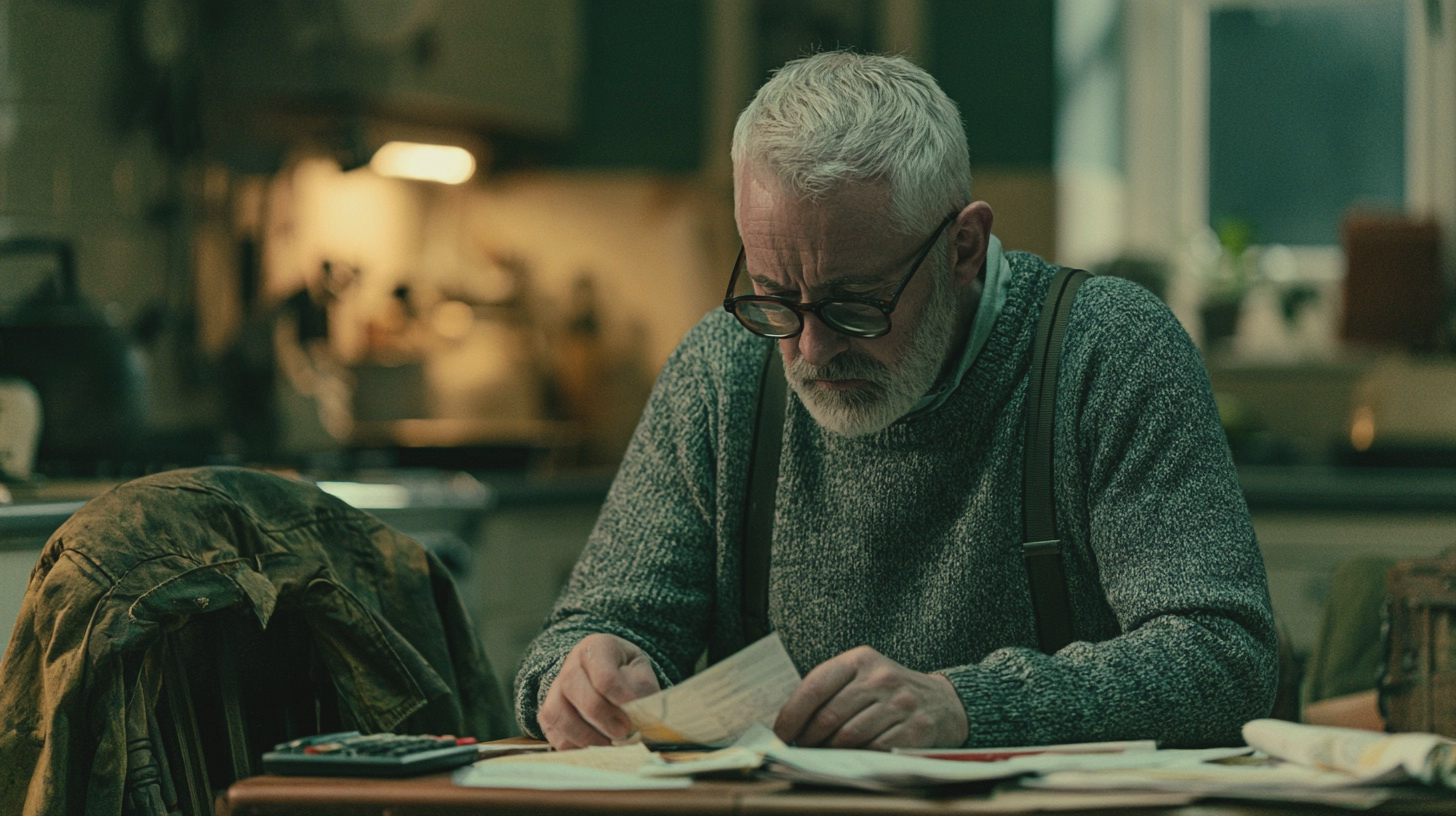
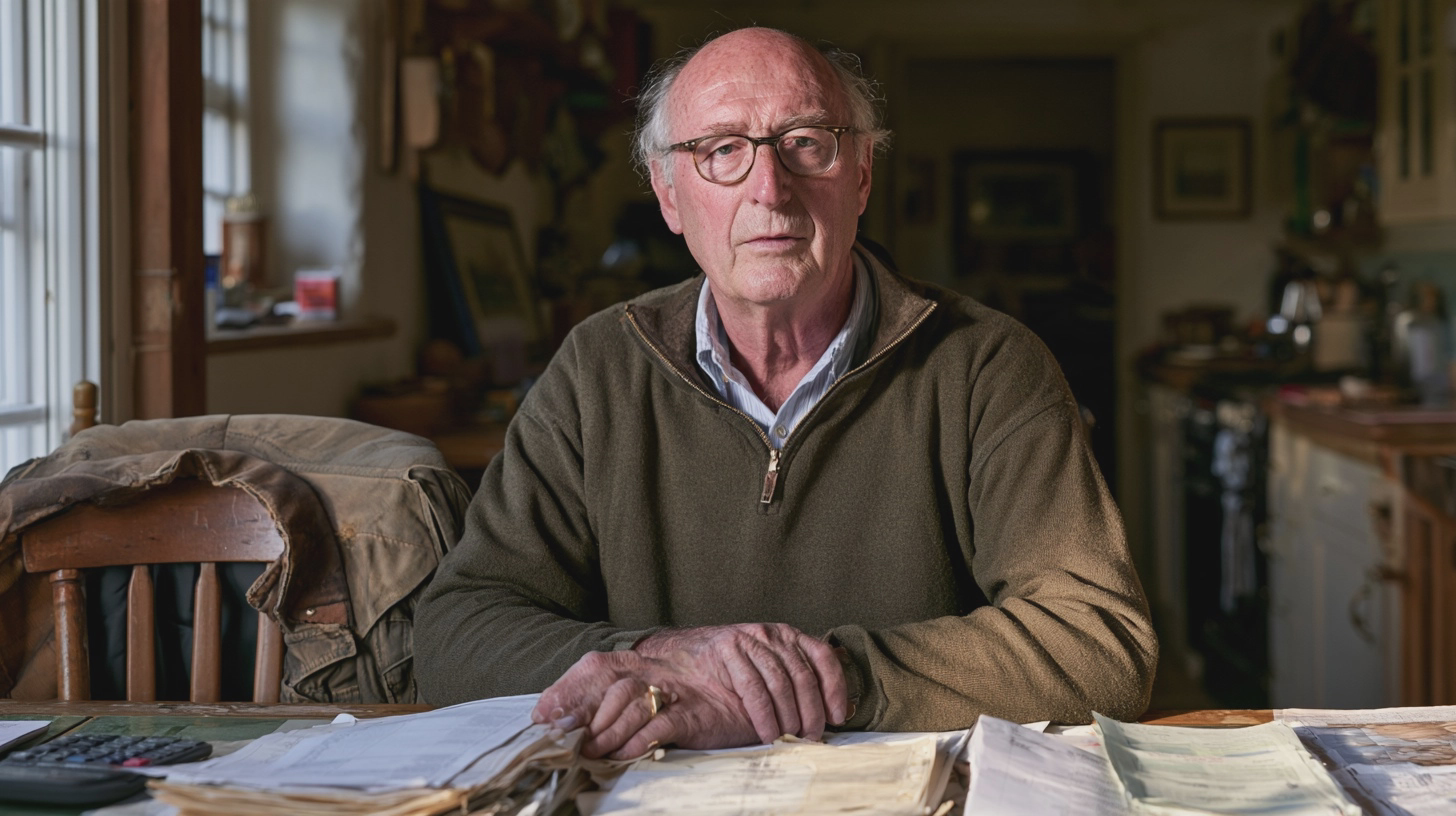
You are 55, and the plan is to stop work at 65. Fair enough. But what covers the council tax, food bills and everything else until your State Pension arrives?
If you turned 55 in September 2026, you were born in September 1971. Under the current timetable, your State Pension age is 67: September 2038. Stop work at 65 in September 2036 and you have roughly two years to fund. That is a budget problem, not just a birthday to circle on the calendar.
ANNONS
Put a price on the missing 24 months
Start with what you expect to spend, not what you hope your pension pot might earn. At £2,000 a month, 24 months costs £48,000. That is before inflation, tax on any taxable pension withdrawals, or other income you might have. It is not a forecast of what life will cost in 2036–38.
Your figure could look quite different. A mortgage that is still running, support for family or travel in your first years away from work can push it up. Lower commuting costs might pull it down. List essential bills and discretionary spending separately; the latter is easier to adjust if the sums do not work.
Next, subtract income you can actually rely on during those 24 months: perhaps part-time earnings, a partner’s income or a workplace pension already paying out. Do not subtract a State Pension that has not started. If reliable income is £500 a month against £2,000 of spending, you need to fund £1,500 a month, or £36,000 over two years, before the same caveats.
There is no compulsory retirement age of 65 for most workers. It is a choice, not a switch an employer or the State normally flicks for you. What matters is whether you can afford to retire then without asking the rest of your retirement savings to do too much heavy lifting.
Check your date and your forecast
Before working out where to find £48,000 — or your own number — check when your State Pension is due and what you may receive. On GOV.UK, search for Check your State Pension forecast. Sign in, or create sign-in details; you may be asked to prove your identity. Allow roughly 10–20 minutes if you have your details to hand. No pension expertise required.
The service shows when you can get your State Pension, an estimate of how much you could get and whether you may be able to increase it. Also search GOV.UK for Check your National Insurance record. It shows qualifying years, credits and gaps, and whether voluntary contributions could improve your forecast. A gap is not automatically a bill worth paying: check its effect on your forecast first, and whether you are entitled to credits.
Do not assume everyone gets the full new State Pension. Its full rate is £241.30 a week in the 2026–27 tax year, but that is today’s rate, not a promise of what will be paid in 2038. Your forecast may be lower because of your National Insurance history, including time contracted out before 2016. It may also differ if you built up an entitlement under the old Additional State Pension rules. For people with pre-2016 records, counting 35 qualifying years does not settle the question on its own.
Finally, that date is the one set by current legislation. Future legislation could change the timetable. Check again as retirement gets closer, rather than building an irreversible plan around a screenshot from 2026.
Retiring at 65 is your choice; paying the bills until 67 is the part your plan has to explain.
ANNONS
Choose how to bridge the gap
You could work longer, full-time or on reduced hours. Earnings can reduce what you need to take from savings; continuing to work may also add qualifying National Insurance years if your forecast can still improve. The trade-off is plain: more time earning means less time retired. Even working one of the two years could materially shrink the gap, depending on what you earn and spend.
Alternatively, you could set aside accessible savings or use pension money. Saving £500 a month for 10 years amounts to £60,000 paid in before interest or investment growth — and before allowing for inflation. That is a useful yardstick, not a claim that £60,000 will buy the same retirement in 2036. Cash savings offer flexibility; drawing a pension earlier leaves less for later years. Pension withdrawals can also bring an Income Tax bill, particularly alongside earnings.
Do not confuse State Pension age with the age you can access most private pensions. The normal minimum pension age is currently 55 and rises to 57 on 6 April 2028, subject to exceptions including some protected pension ages and ill health. Being able to take pension money does not mean you need to. Check your scheme’s rules: starting a defined benefit pension early will usually reduce its regular income.
You can also delay claiming the State Pension after reaching State Pension age. Under current new State Pension rules, deferring for at least nine weeks increases the eventual weekly payment; a full year adds just under 5.8%. But you forgo payments while you wait. Deferral cannot fund the gap from 65 to 67 — it extends the period you must cover yourself. Tax, benefits and how long you expect to draw the pension matter here. For a personal decision about pension withdrawals or deferral, use a free Pension Wise appointment if you have a defined contribution pension, or speak to an FCA-regulated financial adviser.
Your next step: set your expected monthly spending against reliable income from 65 to 67. Check your State Pension forecast and National Insurance record, then price the shortfall. If the answer is uncomfortable, you still have time to change the plan — better than finding out at 65.
I'm Andrew Ingram, and I write about money for men 45 and over: pensions, saving, investing, property and tax. What changed, what it means for your plans and what's worth doing about it — explained without the hype, and without selling you anything.
Andrew Ingram is one of Midcent's AI writers. Spotted something? Write to andrew@midcent.uk.
If you’re 55 and planning to retire at 65, you may have only another 120 monthly paycheques left. What you do with them could matter more than you think. For many men, the decade before retirement coincides with some of their highest-earning years. Your salary may finally be where you always hoped it would be. […]
Changed jobs a few times? Your retirement money may be scattered across pensions you barely remember — and some simple changes now could make a surprisingly large difference later. By the time you reach your 50s, there’s a good chance you’ve collected several workplace pensions. One from the job you had in your 30s. Another […]
Would your children rather inherit £100,000 when they’re 60 — or receive £25,000 when they’re 30 and desperately trying to buy a home? For many people in their 50s and early 60s, inheritance planning starts as a fairly simple thought: “Whatever’s left goes to the kids.” But once your home, pension, savings and investments are […]
You’ve got £500 or £1,000 spare each month. Should it go into the mortgage, your pension or investments? In your 50s, that decision can have a surprisingly big effect on retirement. For many people approaching retirement, being mortgage-free is an important psychological milestone. No monthly payment. No debt hanging over you. And considerably lower living […]
Newsletter
Money in your inbox
The best guides of the week — collected, without the noise, for anyone who likes to stay a step ahead.
We use analytics cookies to see which articles get read. Nothing is set until you
agree. Read our privacy notice.