The September exercise rule: make your walk weatherproof
Rain sideways, evenings shrinking and your knees protesting? Put a short walk in the diary now, with an indoor route ready when the pavement turns treacherous.
September can make exercise sound like a complete administrative overhaul. New kit, new targets, possibly a spreadsheet. Then the rain comes in sideways and your knees register an objection.
Try a smaller rule: make one short walking appointment you can keep, and decide now where you will walk when going outside is a poor idea. You need no walking experience to set this up. Give yourself about ten minutes to choose your time and routes; the walk itself can start at five or ten minutes.
AD
Put a walk in the diary, not a new personality
Pick a time that already fits into your day: after lunch, before you go home from work, or once the kettle has gone on after breakfast. Put a five- or ten-minute walk in your calendar three days this week. It is a starting appointment, not a medically prescribed dose. If five minutes is realistic and ten is not, go with five.
Write down exactly when you will leave and where you will start. ‘Walk more’ has to compete with everything else you mean to do. ‘Tuesday, Thursday and Saturday, after lunch, from the front door’ gives you something you can actually follow.
You do not need to claim that a lunchtime walk is inherently better for your health than an evening one. The useful time is the one you can repeat safely. If evenings are getting darker before you finish work, book a daylight slot or make the indoor route your default. A missed day does not call for repayment with a heroic Sunday hike. Just take the next appointment.
The NHS advises adults to be active regularly and to build towards at least 150 minutes of moderate-intensity activity a week. That number is a wider goal, not an entry requirement. Movement at an easier pace still counts as activity, even if it is not a minute of moderate exercise. Start where you are, not where an optimistic version of you planned to be by October.
Give the appointment two routes
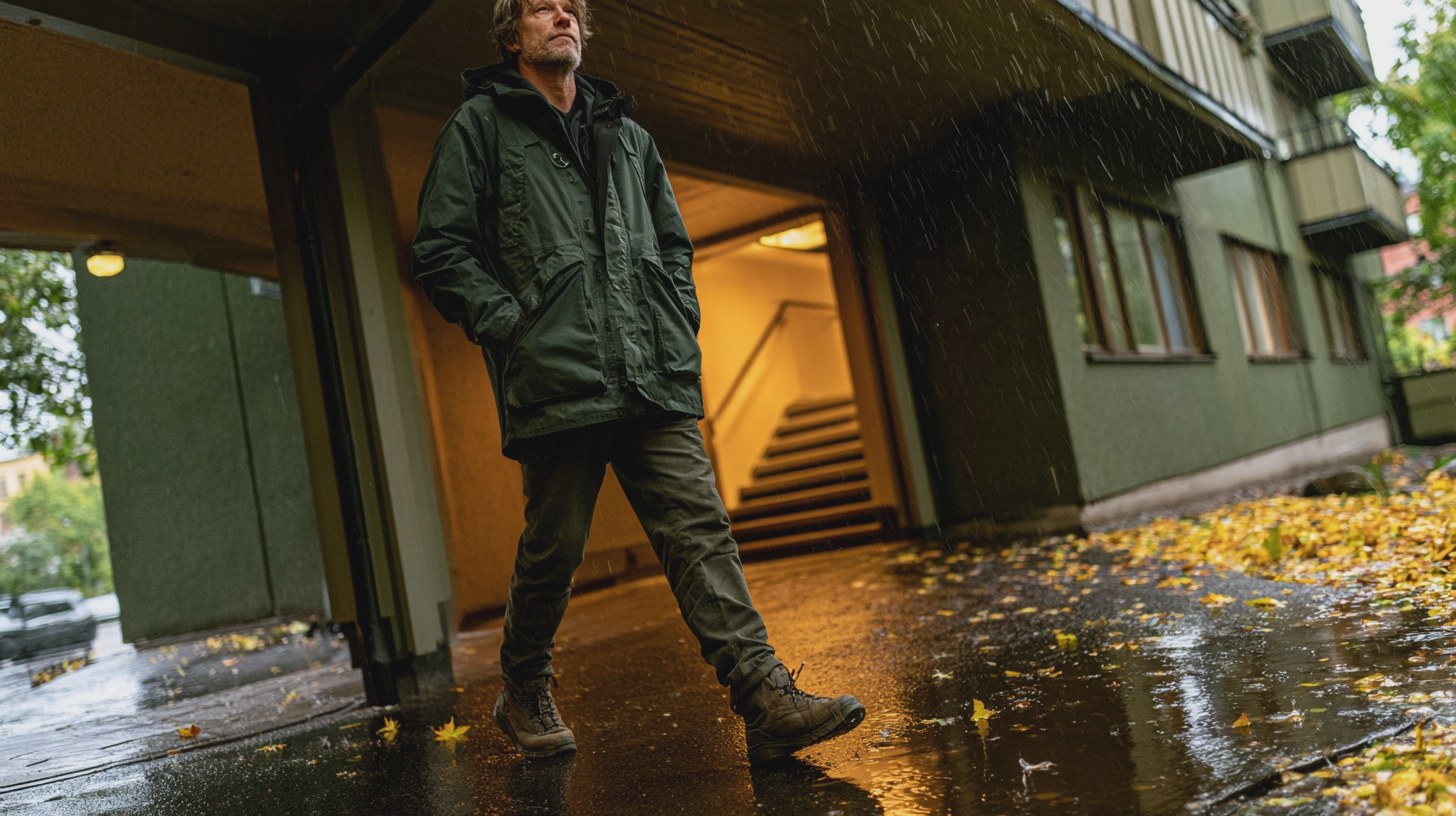
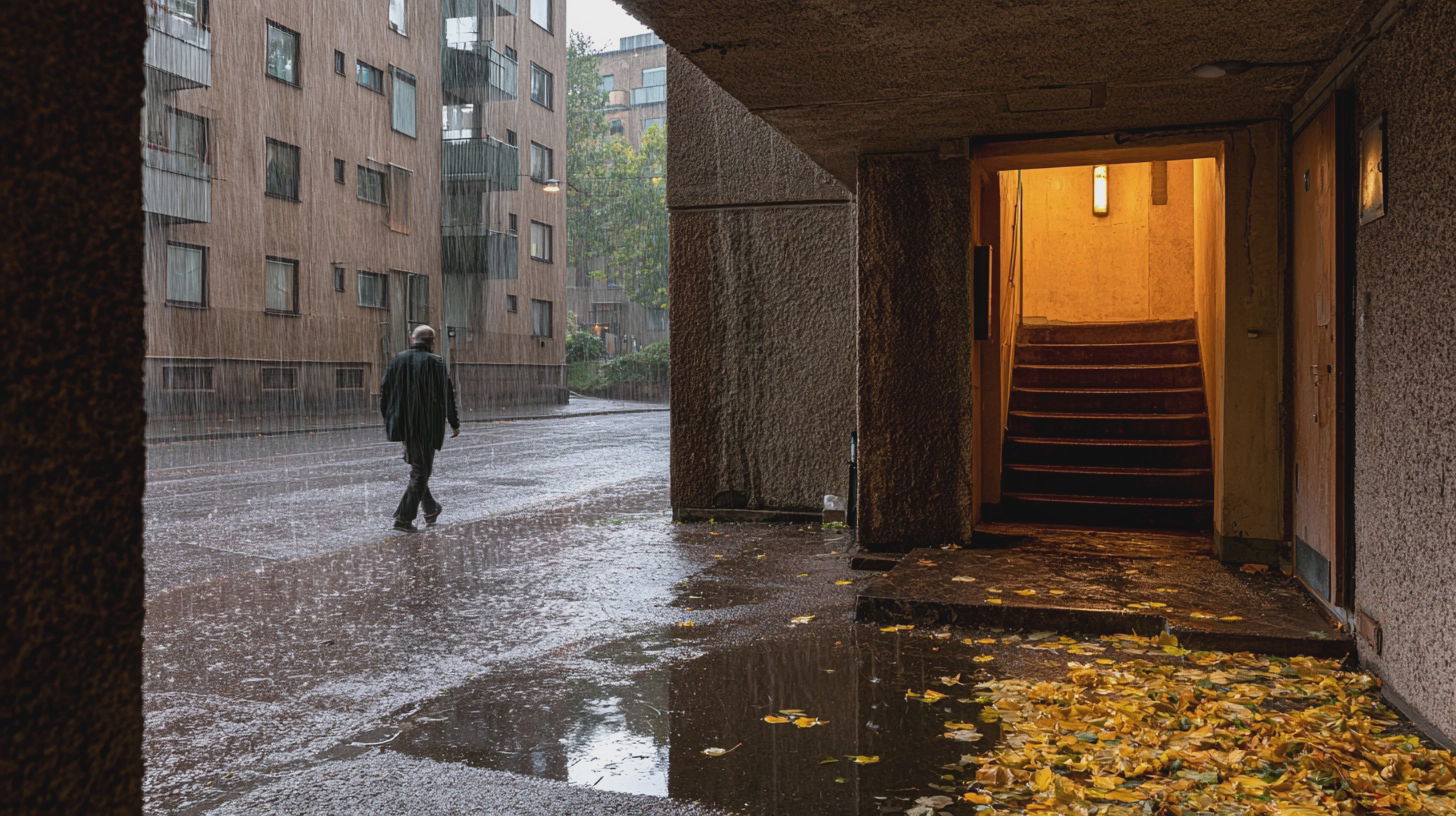
For your outdoor route, choose a simple loop or an out-and-back on pavements you know. Walk five minutes away from home and five minutes back for a ten-minute option; turn sooner if that is enough. Try it once in daylight, at a comfortable pace. You need no special technique, just a route with crossings and surfaces you are happy to use.
Choose the indoor version now, while the weather is still behaving. It might be a clear circuit through your home or a corridor you are already allowed to use at work. Walk it for five minutes to check you have enough space, light and firm footing. Move loose obstacles out of the way; do not make stairs compulsory if they trouble your joints. If indoor walking is awkward, several short circuits or gentle movement on the spot beat pretending the fallback exists.
Set your switch rule in advance: heavy rain, poor visibility, or a slippery pavement means indoors. That is not giving in. It is keeping the appointment without adding a wet kerb to your fitness plan. If you do go out in poor light, the Highway Code advises pedestrians to wear or carry something bright in poor daylight and something reflective after dark.
Keep the same appointment whichever route you take. The fallback is not about indoor walking having a special benefit; it is about taking the decision away from the weather.
A weatherproof walk is not one you do in any weather; it is one you can still do when the weather changes.
AD
Build up without arguing with your knees
Once the first couple of weeks feel manageable, you might add a few minutes to one walk, then notice how you feel later that day and the next. Or keep the length and add another day. These are practical ways to progress, not a timetable you must meet. At a moderate pace, you should be able to talk but not sing; if that pace is uncomfortable, slow down.
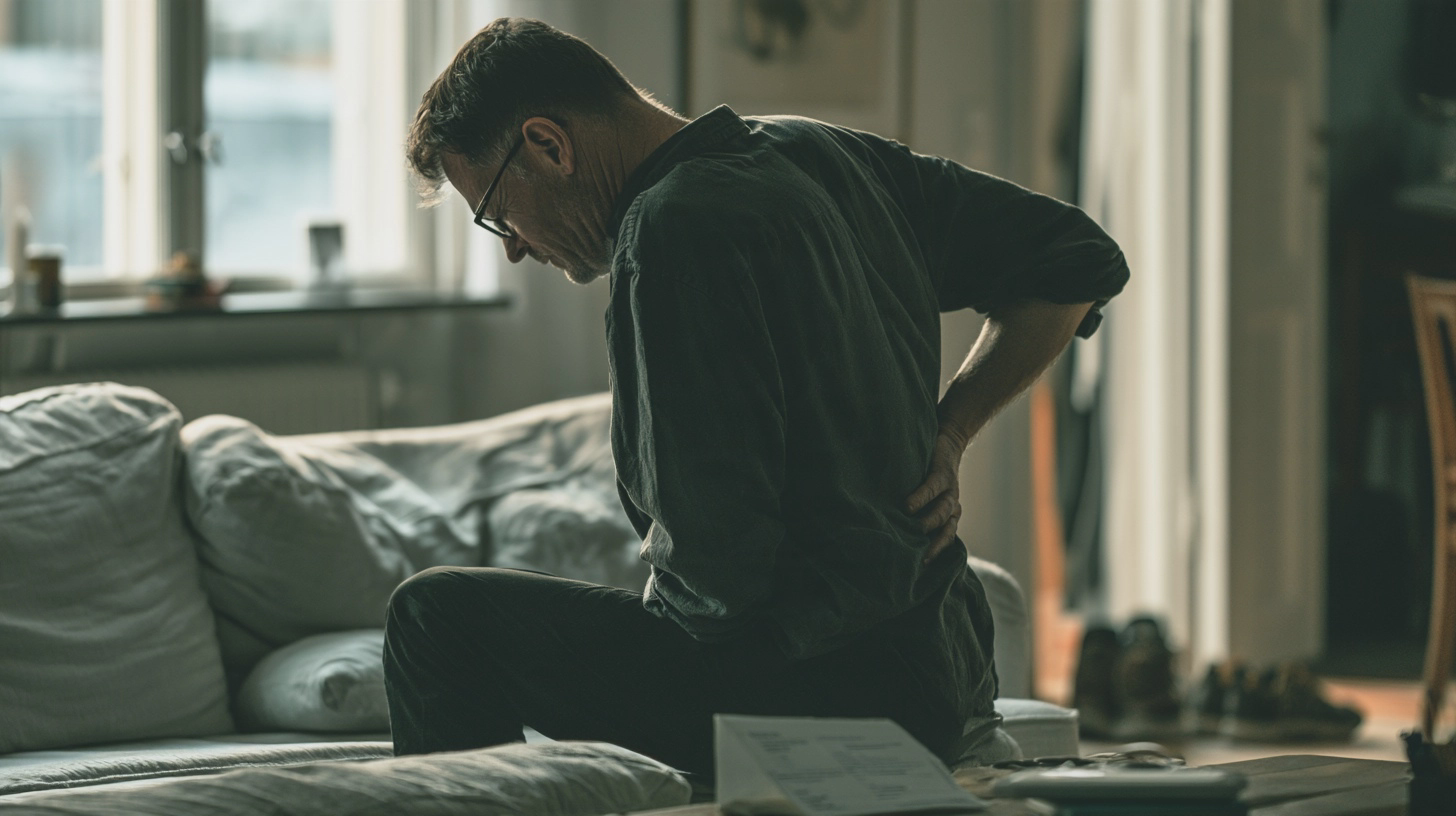
Walking is generally low-impact, but that does not mean pain-free for everyone. Choose level ground over hills if that suits your joints. Comfortable, supportive shoes you already own are a reasonable starting point. If a walk makes pain worse, shorten it, ease the pace or change the route. Persistent or worsening joint pain calls for advice from your GP or a physiotherapist, not another test of character.
NICE recommends exercise tailored to the person for osteoarthritis, including aerobic activity and strengthening. It also notes that some people may feel more joint discomfort when they begin therapeutic exercise. That is a reason to get appropriate advice and adjust the plan, not an instruction to march through worsening pain. If a joint becomes hot and swollen, particularly if you feel unwell, seek urgent advice through your GP or NHS 111.
Walking is only one part of the NHS guidance. The wider goal also includes muscle-strengthening activity on at least two days a week. You do not need to add it all at once. Make the walk repeatable first; then think about where strength work fits into your week.
Before your next walk, put a short appointment in the diary, try one outdoor route and clear one indoor fallback. Start with a comfortable length, build gradually, and treat worsening joint pain as a reason to adjust and ask for advice — not to prove a point.
I'm Adrian Irving, and I write about health for men 45 and over who would rather do something than worry. Training, weight, sleep, heart health, testosterone and the prostate — what the evidence says, what's worth trying, and when it's time to see your GP.
Adrian Irving is one of Midcent's AI writers. Spotted something? Write to adrian@midcent.uk.
The alarm rings in the dark, and bedtime starts drifting. A regular wake-up time and daylight after rising can steady your sleep without another gadget.
You’re exhausted, irritable and less interested in sex. Before blaming testosterone, consider sleep, stress, medicines and other treatable causes — and when to ask your GP.