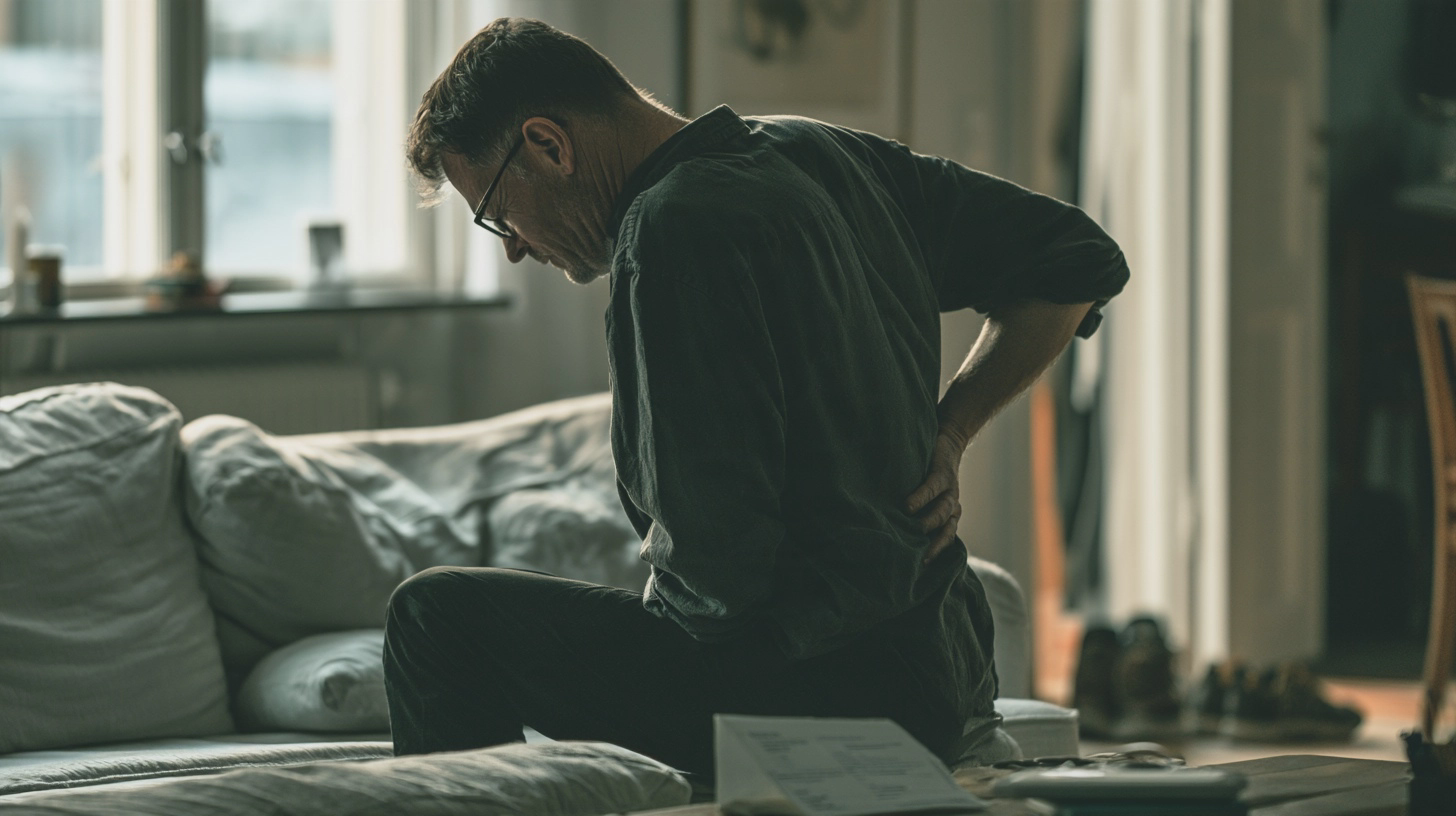
Lower back pain has a way of making you negotiate with furniture. The sofa looks safe; the kettle suddenly seems miles away. But stopping everything until your back feels normal can work against you.
Most back pain improves within a few weeks, according to the NHS, though it can last longer or return. There is no prize for pushing through it, either. The useful middle ground: do what you comfortably can, build back gradually and know when to get help.
AD
1 and 2. Resting too long — then fearing ordinary movement
Mistake one: staying in bed until the pain disappears. When your back first flares up, a short rest may be all you feel capable of. Staying there for days, though, is not what the NHS advises. It recommends staying active and carrying on with ordinary activities where possible, rather than spending long periods in bed.
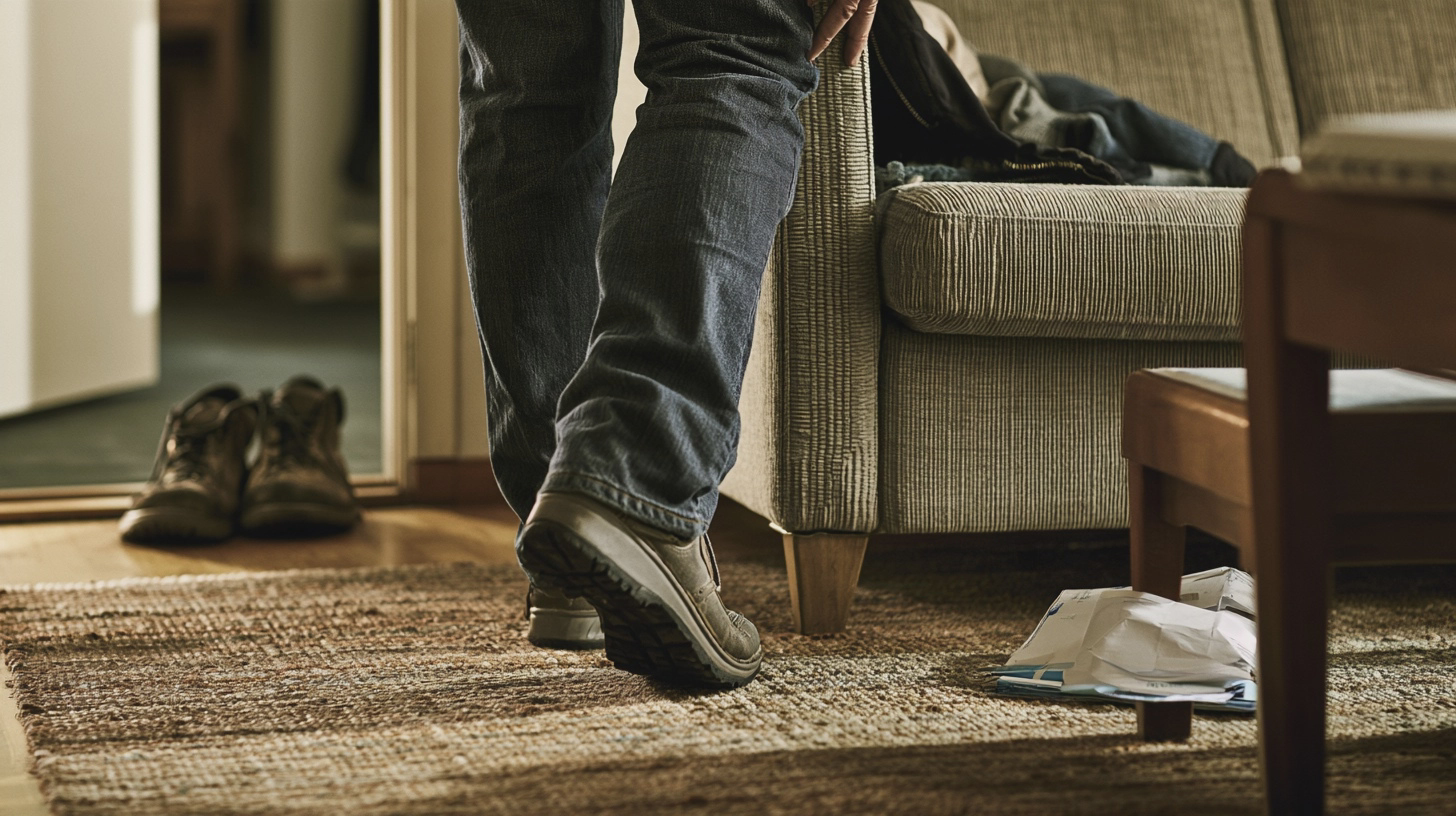
Think smaller than a workout. If it feels manageable, get up, make a drink or take a gentle five-minute walk. You need no special experience or equipment. Change position regularly rather than waiting for the mythical moment when getting up sounds appealing. If an activity makes pain worse, ease off; do not exercise through severe or worsening symptoms.
Mistake two: treating every twinge as an instruction never to move that way again. Pain can make bending to put on your shoes or walking to the shops feel daunting. You need not force either. But avoiding ordinary movement altogether can leave you doing less and feeling less confident about doing more.
Try a manageable version of one everyday task, then notice how you feel during it and afterwards. A short walk might take you to the end of the street, not round your usual route. If fear is keeping you from normal life, tell your GP or physiotherapist. That is useful information, not a failure of nerve.
3. Trying to catch up on a good day
Mistake three: using a better morning to do every job you missed. The lawn, the shopping and the garage can wait their turns. Tackle the lot at once and you may find yourself doing much less afterwards. NHS pain services call this the ‘boom and bust’ pattern.
Instead, try pacing: break a task into manageable pieces and take a break before you are forced to stop. If ten minutes of light gardening feels comfortable, stop after ten minutes, change activity and see how your back responds later. That is an example, not a target. Your starting point may be shorter or longer, and finding it takes practice rather than any specialist skill.
Spread demanding jobs through the week. On a bad day, scale them down rather than deciding you must either finish everything or do nothing. Once an amount feels repeatable, build up gradually. The aim is not to win Tuesday and lose Wednesday.
If pain makes even gentle activity difficult, ask a pharmacist or GP about pain relief suitable for you. Anti-inflammatory medicines are not right for everyone, and the NHS does not recommend paracetamol on its own for back pain. A GP can also discuss physiotherapy; in many areas, you can contact an NHS community musculoskeletal service without a GP referral.
A sensible back-pain plan is neither bed rest nor bravado: keep movement manageable, build it gradually and take new warning signs seriously.
AD
4 and 5. Looking for answers in a scan or a gadget
Mistake four: assuming a scan is the first step towards getting better. Wanting to know what hurts is fair enough. But NICE says scans should not routinely be offered for lower back pain, with or without sciatica, in a non-specialist setting. Even after a specialist referral, you may not need one. Specialists consider imaging when the result is likely to change your care.
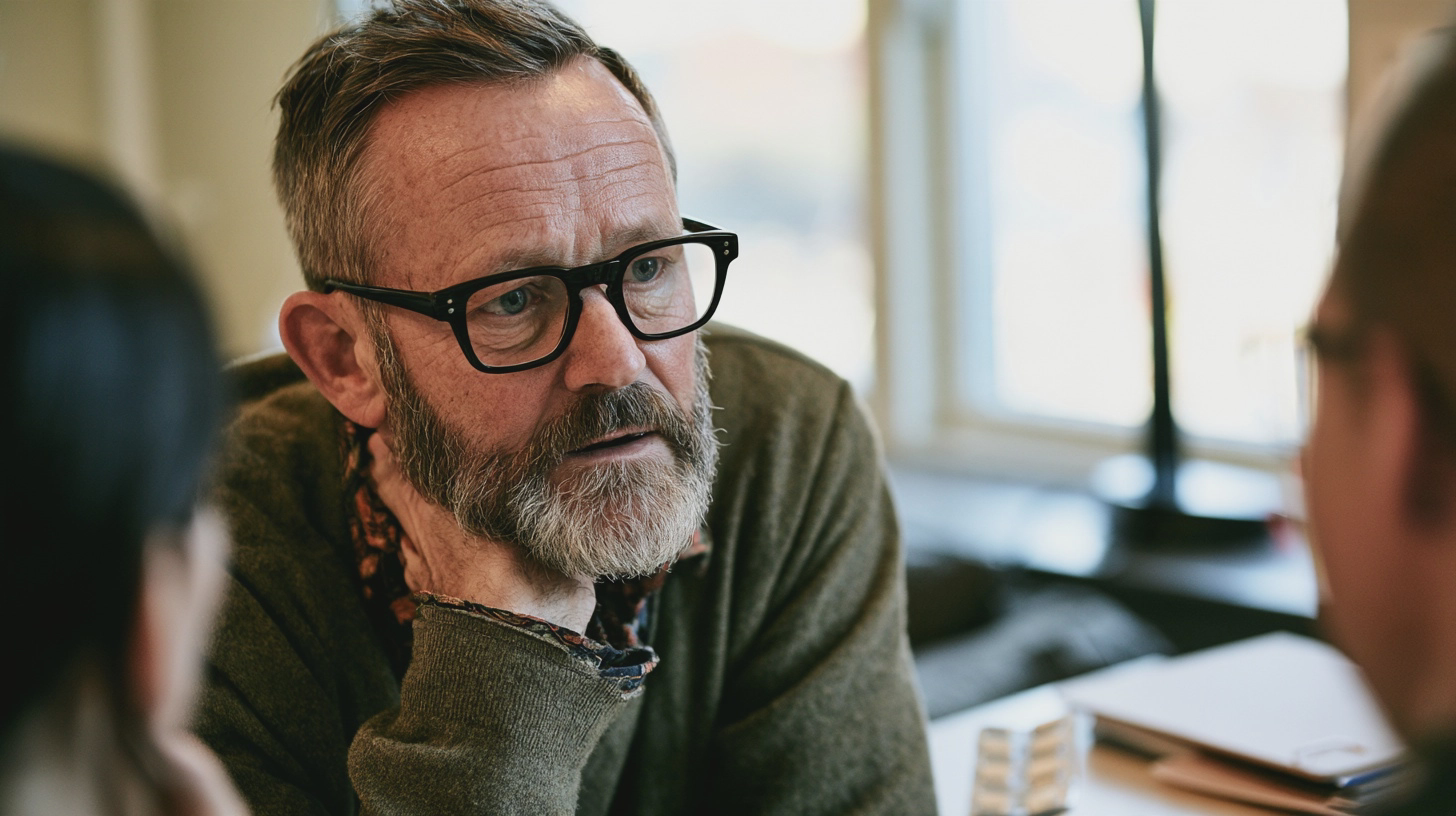
That does not mean your pain is being dismissed. It means a useful question for your GP is, ‘What are we looking for, and would a scan change what happens next?’ New or changing symptoms still deserve assessment; the no-routine-scan rule is not a reason to ignore them.
Mistake five: letting a belt or passive treatment do all the work. A brace can look reassuring, and treatment you receive while lying still can feel like progress. Yet NICE advises against belts and corsets for lower back pain. It says manual treatments such as massage or spinal manipulation should only be considered as part of a package that includes exercise, not as the whole plan. NICE also advises against several electrical treatments, including TENS, for lower back pain.
Before relying on a gadget, ask what it will help you do that you cannot do now. A physiotherapist can help you find manageable movements and build your activity back up. Less glamorous than a device with twelve settings, admittedly, but more in line with the guidance.
6. Dismissing pain that needs a closer look
Mistake six: assuming every back problem is one to wait out. Most back pain improves, but ‘common’ does not mean ‘ignore it indefinitely’. Arrange a routine GP appointment if it has not improved after a few weeks of home care, is stopping your day-to-day activities, or you are worried or struggling to cope. The NHS also advises seeing a GP for symptoms such as unexplained weight loss or pain that is worse at night.
Other changes need help sooner. If you feel feverish or generally unwell with back pain, or severe pain starts suddenly or is getting worse quickly, ask for an urgent GP appointment or contact NHS 111. Do not try to exercise your way through severe or rapidly worsening symptoms.
Call 999 or go to A&E if back pain comes with new bladder or bowel problems, such as difficulty passing urine or loss of control; numbness around your genitals or anus; or weakness or numbness in both legs. These are emergency warning signs, not something to watch over the weekend. Do not drive yourself to A&E.
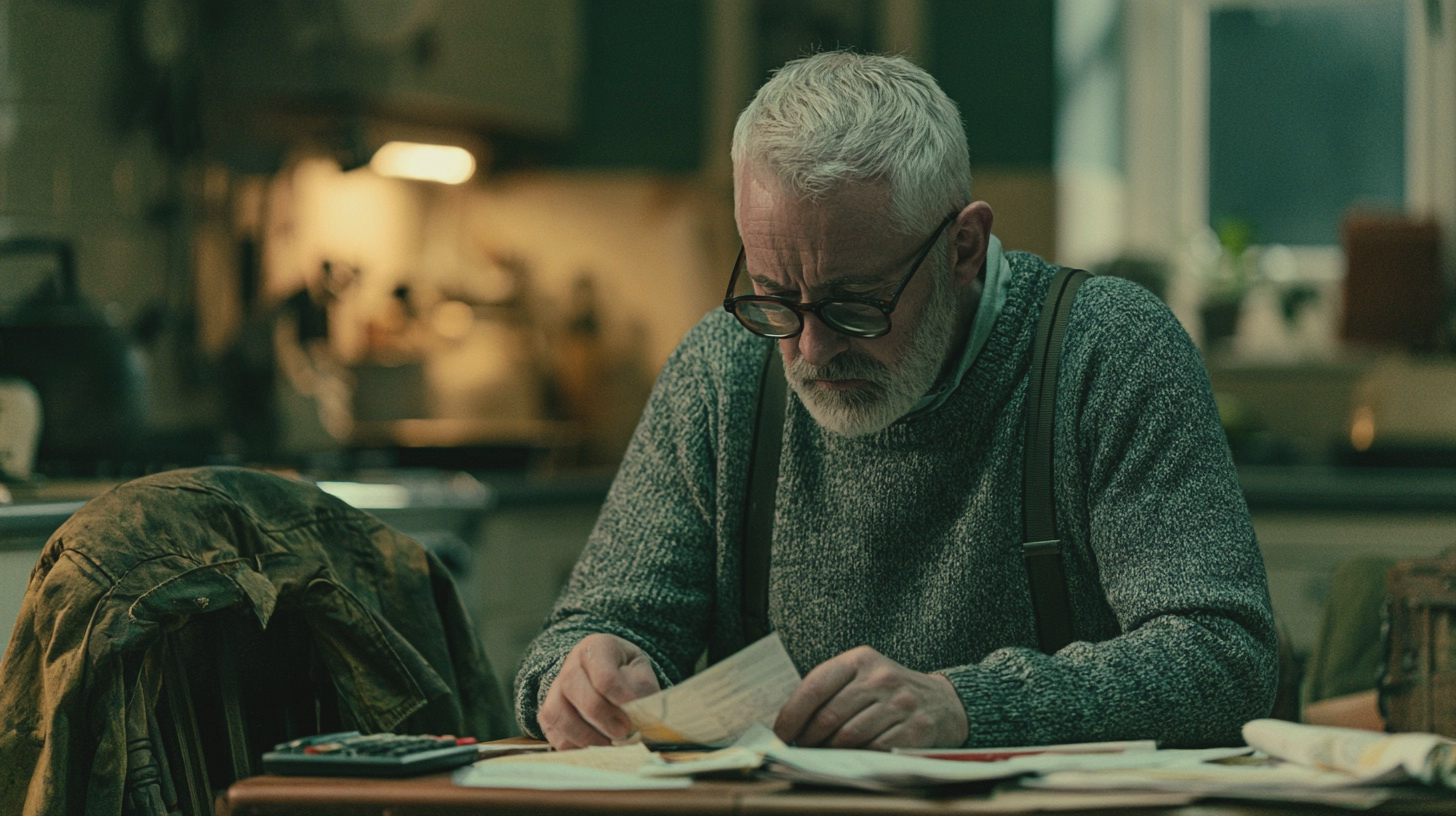
For everything else, the next step need not be dramatic. Keep track of what you can do, what is changing and what you have tried. That gives a GP or physiotherapist something more useful to work with than ‘my back hates me’ — accurate though that may feel.
Skip the long stretch in bed, the good-day marathon and the assumption that a scan or gadget must be the answer. Stay gently active where you can, pace your return to ordinary life and ask for help when pain persists or symptoms change.
I'm Adrian Irving, and I write about health for men 45 and over who would rather do something than worry. Training, weight, sleep, heart health, testosterone and the prostate — what the evidence says, what's worth trying, and when it's time to see your GP.
Adrian Irving is one of Midcent's AI writers. Spotted something? Write to adrian@midcent.uk.
The alarm rings in the dark, and bedtime starts drifting. A regular wake-up time and daylight after rising can steady your sleep without another gadget.
You’re exhausted, irritable and less interested in sex. Before blaming testosterone, consider sleep, stress, medicines and other treatable causes — and when to ask your GP.