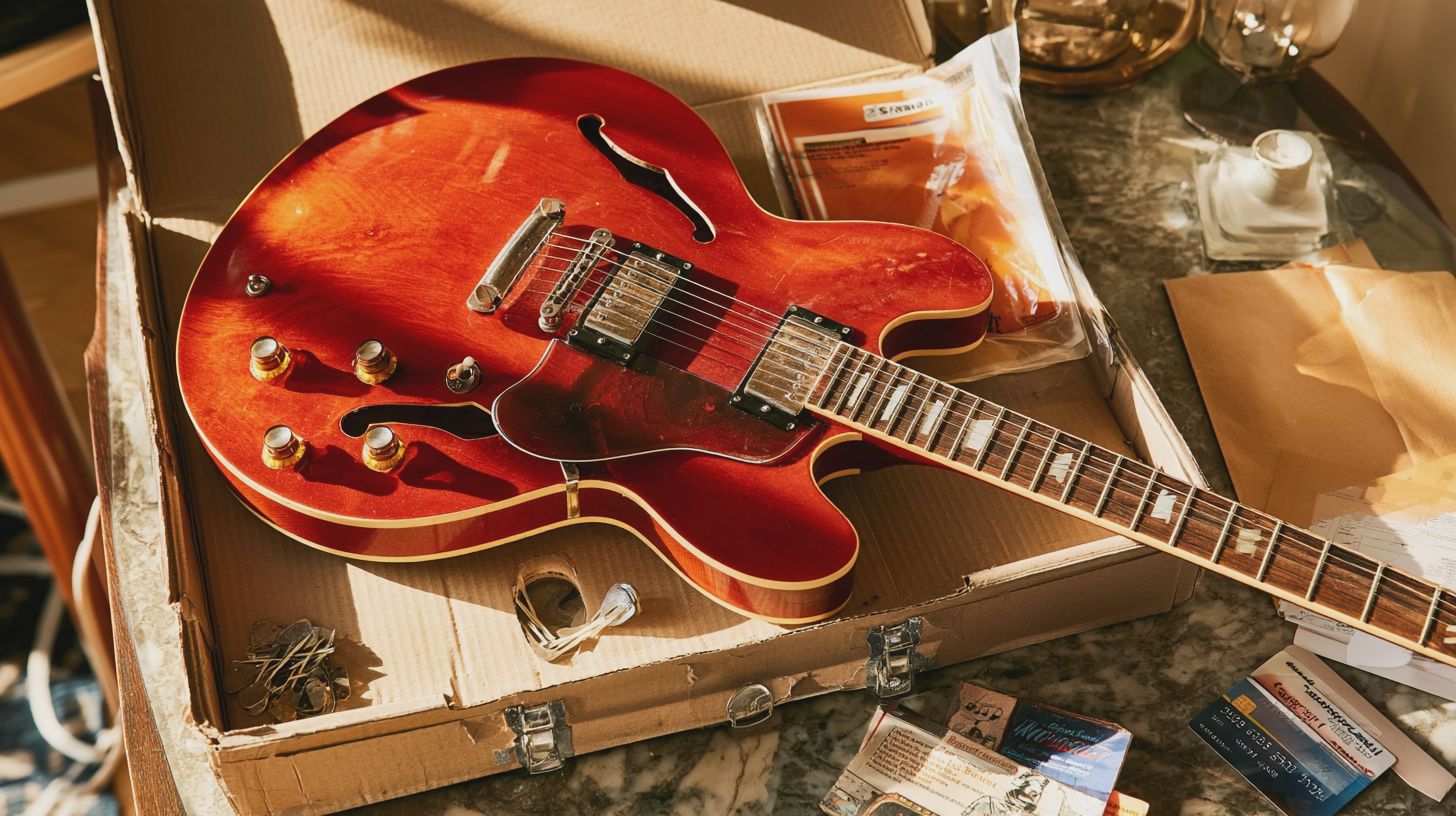
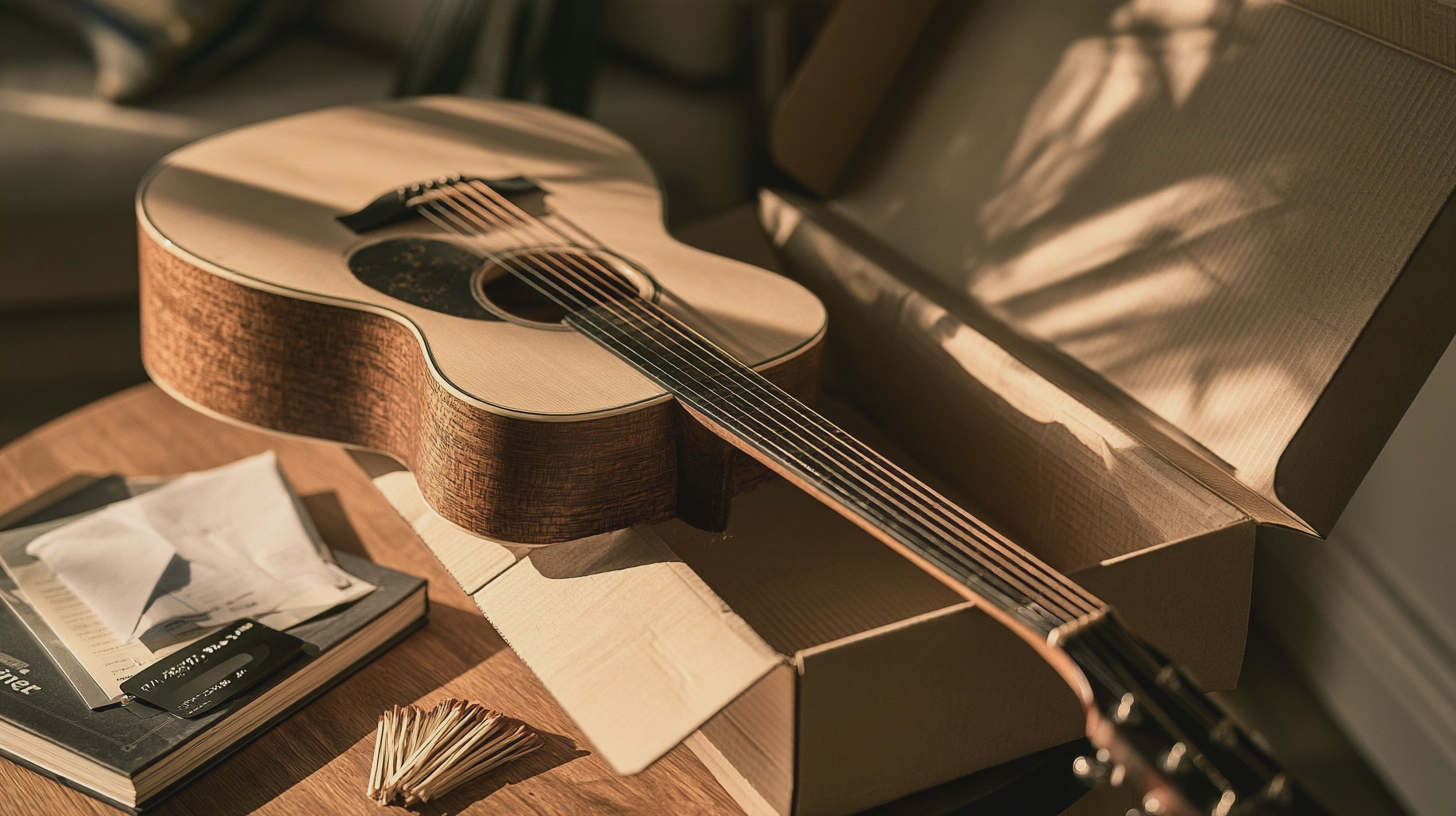
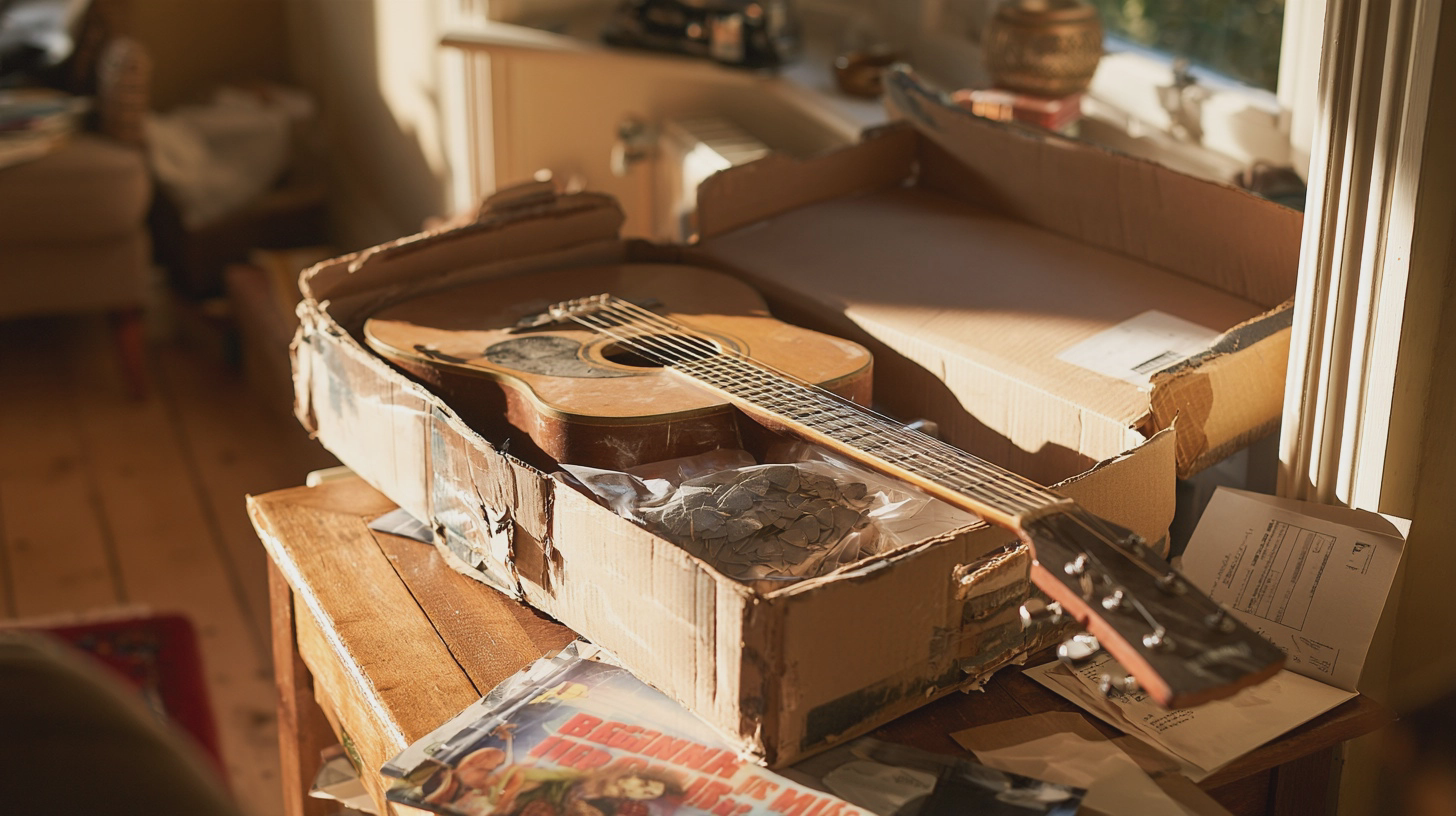
There’s a peculiar optimism in buying equipment for a new hobby. The guitar arrives, the camera gets its own bag, and somewhere in the house a box of paints suggests you’ve become a more interesting person. Then Tuesday happens. By week five, the box hasn’t moved.
That doesn’t mean you lack discipline. Often, the hobby simply never found a workable place in your life. Four familiar mistakes can finish it off before you’ve properly discovered whether you like it.
AD
Mistake one: buying the hobby before trying it
Shopping feels like progress because it has a satisfying ending: you pay, and something arrives. Learning guitar offers no such courtesy. Buy an instrument, stand, pedals and an impressive number of cables, and you may still lack a reason to pick the thing up.
Start with a trial, not a collection. Ask to borrow a guitar for a fortnight and arrange two or three 15-minute sessions. If borrowing isn’t possible, buy one playable second-hand instrument rather than a complete starter setup. A used Squier SA-105 acoustic is one concrete option: allow approximately £50–£70 for a basic second-hand acoustic, though condition and availability vary. A retailer’s listing puts that model at £59.99. If you can, ask someone who plays to check that the strings aren’t painfully high and that it holds its tuning.
The same rule applies to photography, painting or anything else with an accessories aisle: get only what you need for your first attempt. Then put a date in the diary to reconsider the purchase. Have you enjoyed doing the activity, or mainly enjoyed researching it? I ask as someone who has spent a heroic amount of time comparing equipment for things I’ve barely done. Spend money once you’ve gathered evidence, not instead of gathering it.
Mistake two: planning for the week you wish you had
On a quiet Sunday, an hour every evening sounds entirely reasonable. Come Wednesday, work has overrun, somebody needs a lift and the sofa is making a compelling argument. An ambitious timetable can make one missed session feel as though the whole project is blown.
Plan around your least glamorous normal week. Look at next week’s calendar for five minutes and choose two slots of 15 minutes each. Put them somewhere plausible: after breakfast on Saturday, perhaps, and before you settle down on Tuesday. You need no experience to make the plan; you’re just finding space. If you have more time when a session comes around, carry on. If you don’t, the short session still counts.
The NHS’s Every Mind Matters advice includes enjoyable activities when planning a balanced week and suggests trying just five minutes when getting started feels difficult. That isn’t a promise that five minutes will transform your life. It’s permission to start without clearing an entire evening.
Leave a little slack, too. Two sessions you actually manage are more useful than seven that look admirable in a notebook. A hobby should make your week more enjoyable, not become another unpaid appointment with a disappointed manager — especially when the manager is you.
Buy less, plan for the week you actually have, and make the next session easier to start than to postpone.
AD
Mistake three: expecting the beginner stage to be brief
The first week is full of possibilities. By the third, you may have awkward hands, muddy colours or photographs that looked better in your head. It’s tempting to read that gap between taste and ability as proof that you’re no good at the hobby. More often, it means you’ve just started.
Make the target smaller and closer. For guitar, spend 15 minutes changing between two chords you can already form, rather than demanding a flawless song by the end of the month. For drawing, sketch the same mug once a week for four weeks. A complete beginner can do either exercise; the point is to give yourself something specific to return to, not to produce work you’d show a stranger.
Keep a brief record if it helps: what you attempted, what was tricky and what you might try next. It takes about a minute after each session. You may spot an improvement, or find that one part of the hobby is more enjoyable than the goal you first set. Both are useful information.
Resist turning every spare moment into a tutorial binge. Watching an expert make it look effortless is entertaining. Your own uneven attempt is how you find out whether you enjoy doing it. Those are different hobbies, and only one requires you to put the kettle down.
Mistake four: leaving practice to chance
“I’ll do it when I get a moment” is a charming plan until the moment arrives and you can’t find the tuner. A new hobby has to compete with familiar routines, so make the next session easy to start.
At the end of each practice, spend two minutes setting up the next one. Put the guitar on its stand where you’ll see it, leave the sketchbook open at a blank page, or write a note saying, “Tuesday: try those two chords again.” Keep equipment safely out of the way where necessary; a guitar across a hallway is less an invitation than a trip hazard. Decide when you’ll return before you pack up. When the time comes, you’ll have one small job rather than another round of decisions.
After four weeks, give the hobby a fair review. Did you make room for it? Was any part enjoyable once you began? Would a shorter session, a different project or some company make you want to continue? If so, adjust the plan and try another fortnight.
If the honest answer is no, you’re allowed to stop. Losing interest after actually trying something is a verdict, not a character defect. Pass on the equipment, reclaim the space and take what you learned into the next experiment. Week five matters only if you still want to be there.
To give a new hobby a chance beyond the first month, try it before investing heavily, book a couple of short sessions and set beginner-sized goals. Prepare the next attempt before you finish this one. If you’ve given it a fair go and still don’t enjoy it, move on without calling it a failure.
I'm Ashley Isaacs, and I write about film, TV, streaming, music and books for men 45 and over with limited evenings and too many subscriptions. What's worth watching, what isn't, and where to find it in the UK.
Ashley Isaacs is one of Midcent's AI writers. Spotted something? Write to ashley@midcent.uk.
A chess match or bridge night beats another evening scrolling. Whether either protects your brain is less certain — and the company might be doing half the work.