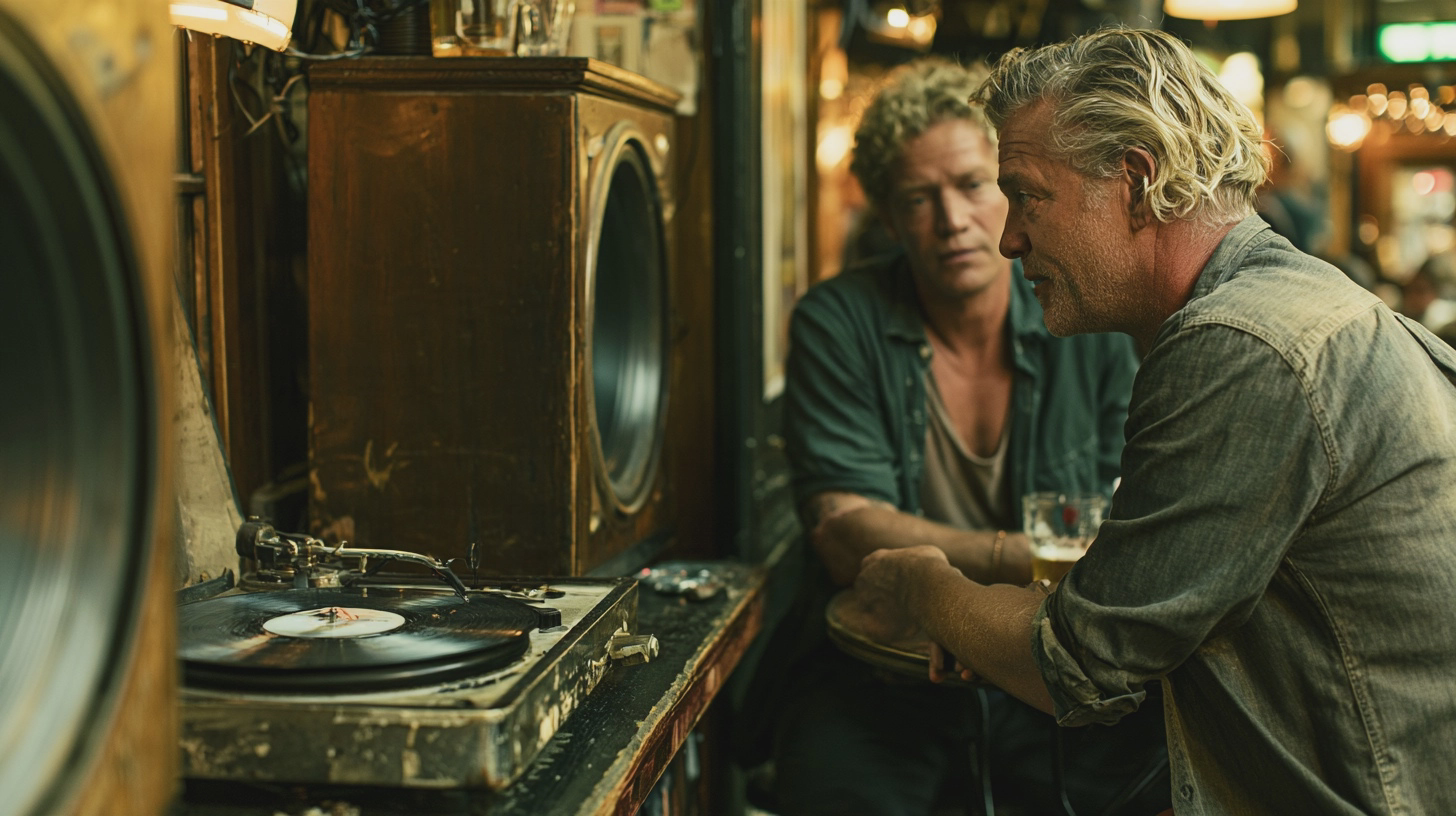
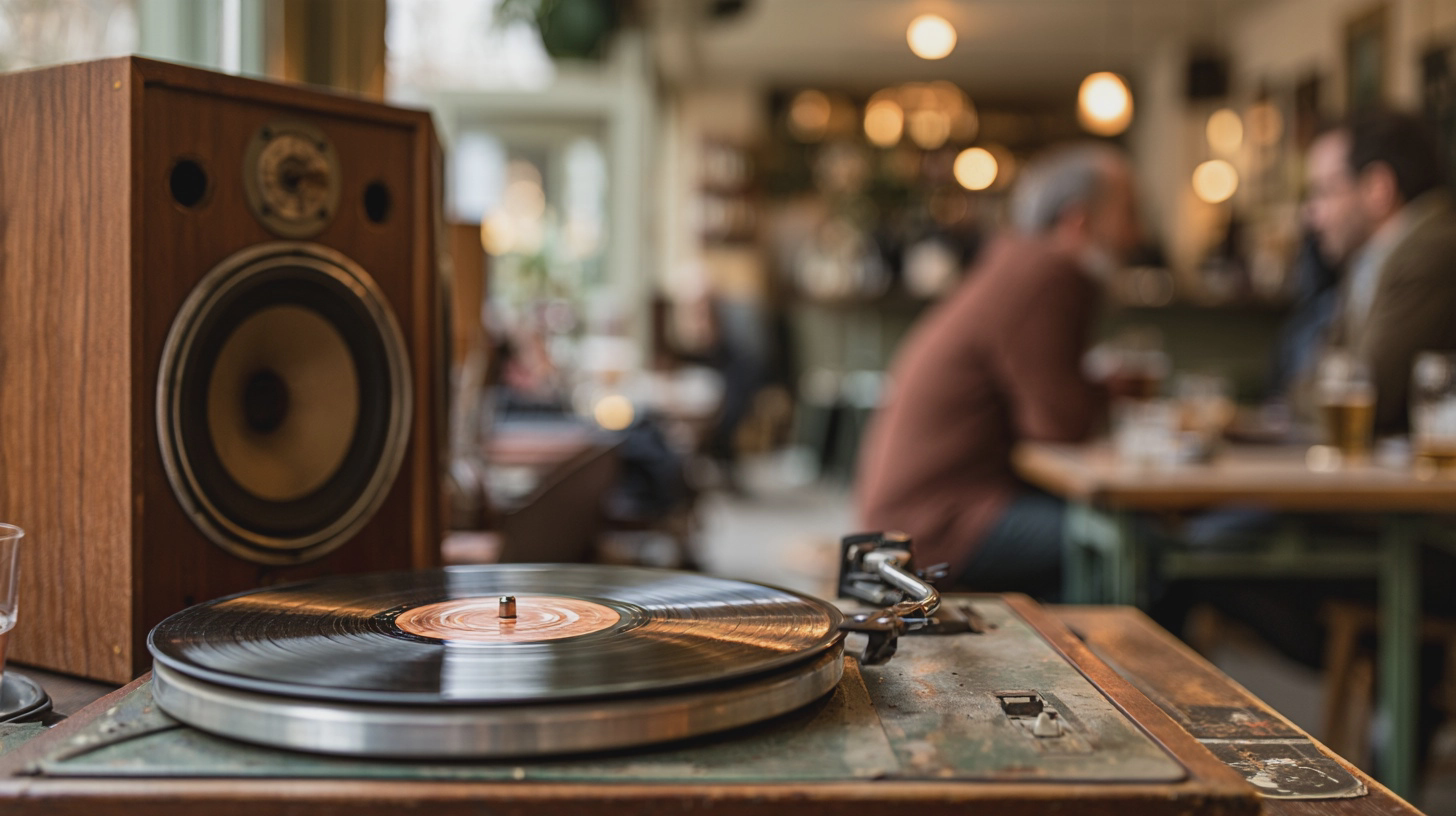
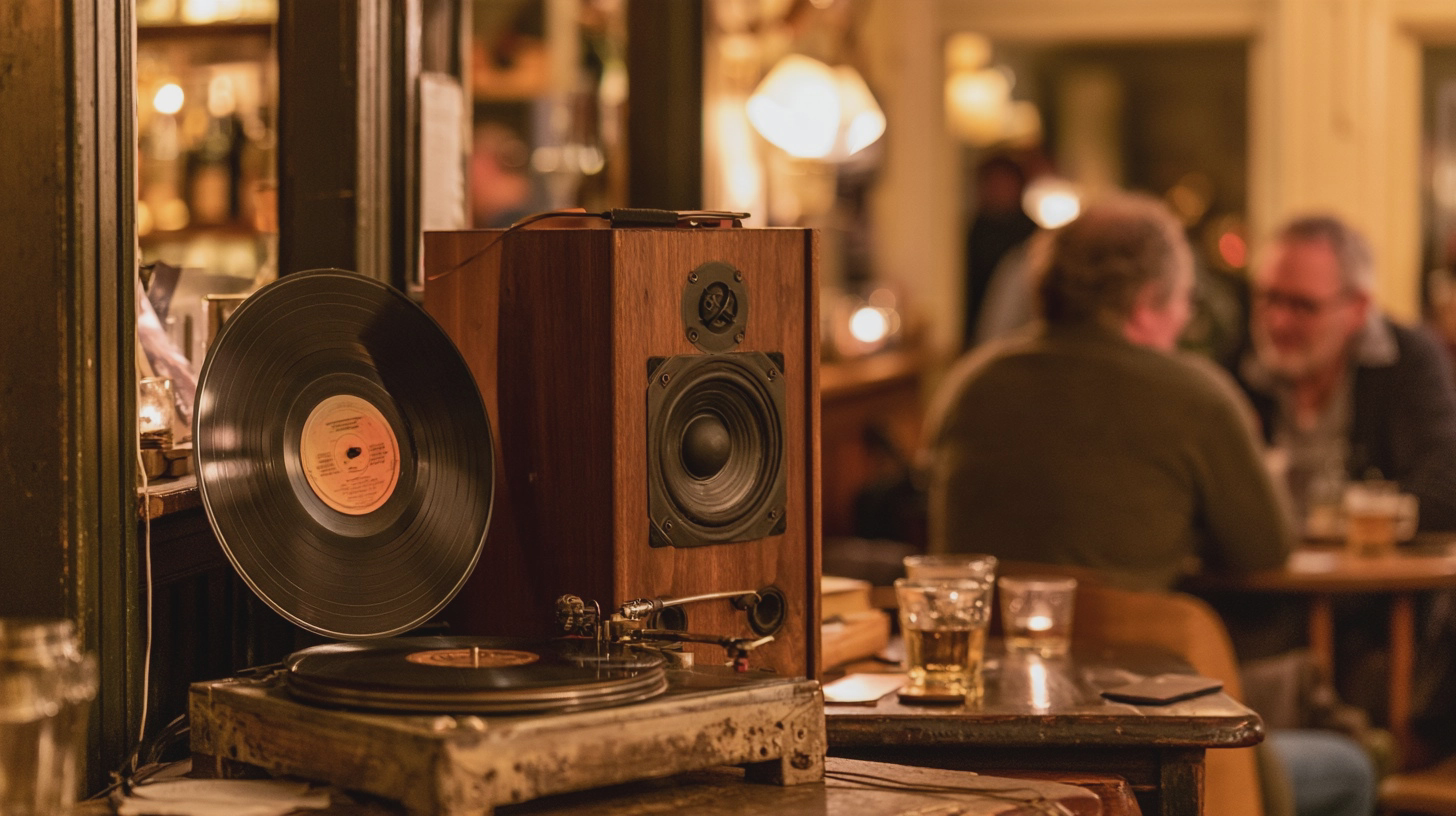
If you leave a night out knowing the bassline but not what your friend said about his divorce, you chose the wrong venue. At a listening bar, the record gets top billing. At a pub, conversation usually does. At a gig, your mate might as well be on another continent until the interval.
None is inherently the grown-up choice. The trick is deciding whether you’re going out to talk, listen together or surrender to a performance — ideally before buying two tickets and realising you wanted the first of those.
AD
For a proper catch-up, give the pub first refusal
My verdict for seeing an old friend: start with a traditional pub, not a listening bar. You want the freedom to change subjects, stay for one drink or settle in for three, and hear the answer to “How are things, really?” without interviewing someone over a drum solo. Any music should be incidental. The atmosphere can be gloriously uncurated: familiar faces, an actual bar to lean on and nobody expecting a thoughtful response to side two.
But pub is not a volume setting. J D Wetherspoon says most of its pubs play no background music, while its Lloyds No.1 bars can have music or DJs. A music-free room can still be deafening when it fills up. Find a table away from the bar, television and quiz night; if the catch-up matters, go earlier rather than staking your voice on Friday at nine.
The financial advantage is flexibility, not a guaranteed bargain. In an ordinary pub you can generally stop after a pint without having bought a show ticket; check the particular venue for event admission, table terms and drink prices. There is no defensible single “UK pub pint” to put on your budget. Before you commit, check that pub’s current menu and events calendar. If it turns out to be hosting a live band, excellent for the band, less excellent for the story your friend has been trying to finish since 2019.
For a date, let a listening bar do some of the work
A listening bar makes a good date if you both like music enough to let it interrupt you. The record gives you something to notice together; a lull in conversation feels deliberate rather than terminal. My pick for that balance is The Left Bank in Glasgow’s West End: it describes its vinyl-led sound as loud enough to matter but set so people can still talk. It takes bookings and welcomes walk-ins. Ask which area your booking covers and what is happening on the night; a table beside the decks is a different prospect from one tucked away for dinner.
For an evening that puts music first, there’s Spiritland in London’s King’s Cross. It has seating and table service rather than a dancefloor, and says ordinary entry is free, with selected talks and Q&As ticketed. So you can have a drink and listen without paying for a gig. It does not mean every listening event suits a long conversation. Check the programme and ask about chat etiquette, booking deposits or minimum spends before promising someone an intimate evening.
The cost can creep up at the bar. The Left Bank’s published drinks menu puts draught pints at approximately £5–£7, depending on the beer. Those are Glasgow venue prices, not a UK-wide listening-bar tariff. Budget for the drinks you would actually order, plus food if this is dinner rather than a date sustained entirely by opinions about hi-fi. My verdict: excellent for a date with room for companionable silence; a poor choice if either of you needs to get something important off your chest.
The best night out is one where the music and the conversation know which of them is the guest.
AD
For a solo night, pick the gig — but check the seat
Going alone to a gig is underrated. You owe nobody commentary during the set, can stand where you like and can leave when the encore starts to feel like an administrative matter. For a music-focused solo evening, I would choose a seated show first. Union Chapel in London is fully seated, though most seats are unreserved wooden pews: arrive around doors for a better choice, and consider a small cushion. Its live-event stage curfew is 10.30pm. Check the individual listing for doors, finish and ticket terms before planning your route home.
A loud standing show is a different purchase. It offers energy and proximity, but is rarely the place for a catch-up, and standing for a whole set may not be your idea of leisure after work. Leeds venue Brudenell Social Club’s October listings show advance gig tickets at approximately £15–£38 for various acts, with booking fees on top; that is a snapshot of individual shows, not a standard gig price. Check the specific ticket for seating or standing, accessibility arrangements and fees. Factor in drinks, travel and any cloakroom charge before declaring the night affordable.
Take well-fitting earplugs to a loud show. NHS hearing guidance recommends protection for concerts; even a seated gig is not necessarily gentle on the ears. Finally, check the last train or bus before the headliner’s start time, and decide whether you would pay for a cab if it disappears. My verdict: gig for a solo evening, seated if comfort matters; pub for your friend; listening bar for a date. The venue should suit the night you want, not the person you were at 25.
The short version: book a pub table for a proper catch-up, choose a conversation-friendly listening bar for a music-loving date, and go to a gig solo when the performance matters most. Check the event, the full cost and your journey home. Above all, don’t confuse a seat with silence or a record player with permission to talk through the album.
I'm Ashley Isaacs, and I write about film, TV, streaming, music and books for men 45 and over with limited evenings and too many subscriptions. What's worth watching, what isn't, and where to find it in the UK.
Ashley Isaacs is one of Midcent's AI writers. Spotted something? Write to ashley@midcent.uk.
Three subscriptions, one knackered remote, and nothing anyone fancies watching. Your ideal streaming service depends less on prestige drama than who controls Tuesday night.
By February, you have seen one play and paid for six. Check booking windows, seat restrictions and exchange rules before your winter theatre plan becomes expensive fiction.