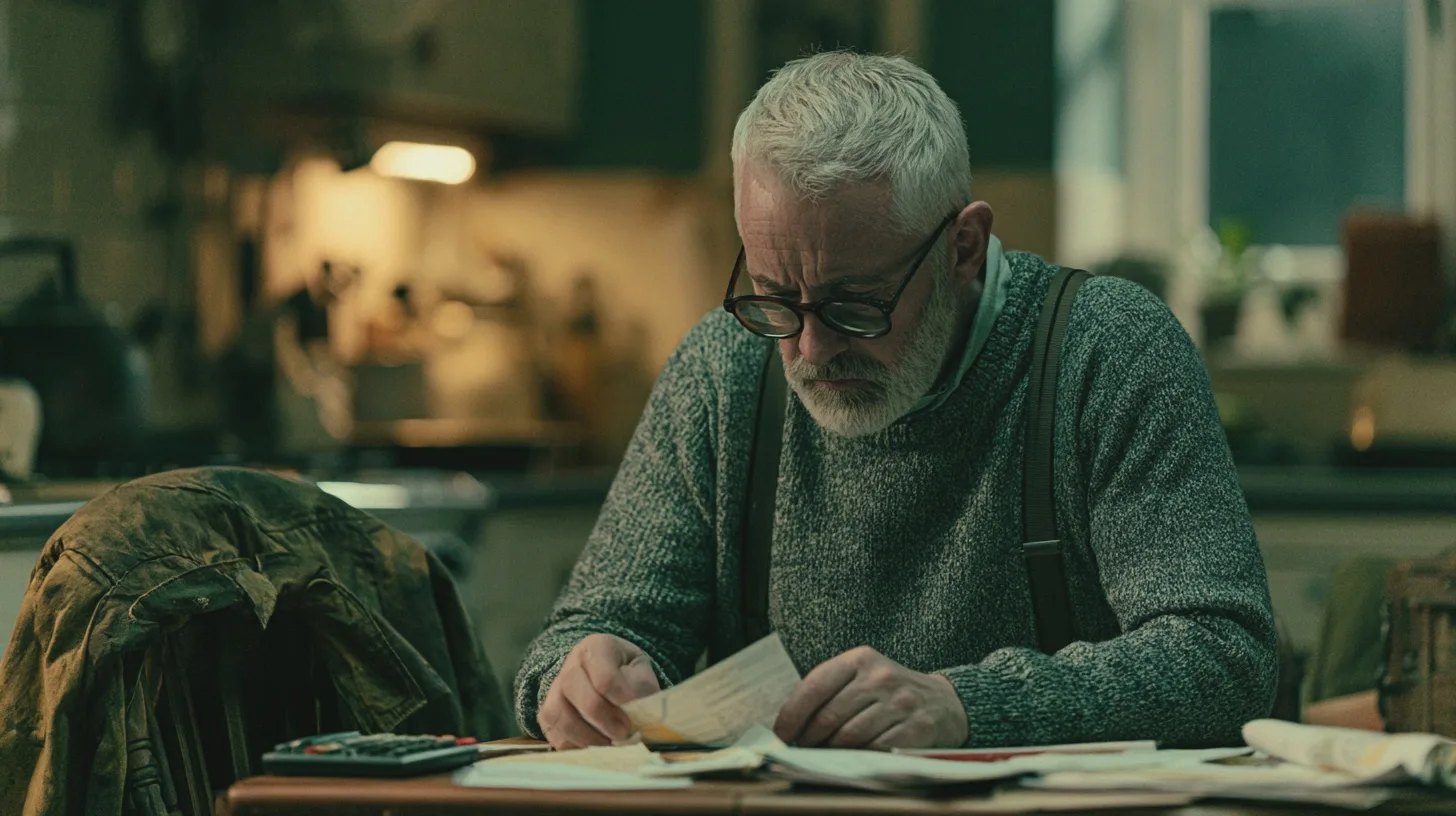
A takeaway coffee can quietly become a four-figure annual expense. Here’s how to work out your real bill, keep the coffees you enjoy and use any savings well.
Reviewed, edited and approved by Editor-in-chief Daniel Sköld · Updated 24 October 2026
Contents
You tap your card for a coffee on the way to work. It’s four quid, give or take. You’re not signing a mortgage deed, so why think twice?
Because small purchases are easy to repeat without noticing. The useful question isn’t whether coffee is a waste of money. It’s whether you would choose the same number of coffees if you saw the annual bill first.
AD
How much does your daily coffee really cost?
Start with your price, not a headline about the ‘average’ latte. Coffee prices vary by shop, size and location, and yours might include an extra shot or the pastry that somehow followed you to the till.
For a worked example, suppose your drink costs £4. Buy one on five working days a week for 46 weeks and you spend £920. Three days a week comes to £552; two days comes to £368. The 46 weeks allow for six weeks without your usual routine. If you buy coffee at weekends too, add those purchases separately.
Those figures are examples, not a claim that every UK coffee costs £4. Use your banking app to check what you actually paid over the past month. Count café purchases, station kiosks and the coffee bought because a meeting finished early. Multiply a typical week by the number of weeks you expect to keep that routine.
Include the extras. A hypothetical £2 snack bought with three of those weekly coffees adds £276 over 46 weeks. Together with the three £4 coffees, that is £828. The coffee may be the part you wanted; the snack may just have been within arm’s reach.
Don’t treat £920 as an automatic saving from giving up coffee. You might still make it at home, buy ingredients or occasionally meet a friend in a café. The saving is the difference between what you spend now and what you would spend instead.
What are you actually paying for?
A takeaway coffee is not merely hot water and beans. It can buy you ten minutes away from the desk, a chat with someone who isn’t asking for a spreadsheet, or a reason to walk before the working day begins. If that matters to you, the cheapest possible cup is not necessarily the best use of your money.
Separate coffees you choose from coffees you barely notice. The Saturday stop after a walk might earn its place. The lukewarm one bought every Tuesday because the train was late may not. That distinction is more useful than a lecture about bringing a flask.
Try a simple test for two weeks: keep the coffees you look forward to and skip one you buy out of habit. Notice whether you miss the drink, the break or neither. If it’s the break, you can still take it. If it’s the company, a coffee at a table may be worth more to you than a hurried one on a platform.
The expensive coffee is the one you buy without deciding you want it.
There is also a limit to what this exercise can fix. If your mortgage, rent, energy bills or commuting costs are the real pressure on your budget, trimming one drink will not transform your finances. It can free a useful amount of cash, but it should not distract you from the larger numbers.
AD
Can cutting back make a dent in retirement?
It can help, provided the money goes somewhere rather than quietly becoming another purchase. In the £4 example, replacing three bought coffees a week saves up to £552 over 46 weeks before the cost of whatever you drink instead. Repeat that for ten years and it is £5,520 before replacement costs, interest or investment growth. That is a contribution to a plan, not a promise of early retirement.
If you have expensive credit-card or overdraft debt, paying it down may be more useful than building a separate ‘coffee fund’. You also need cash you can get at when the boiler has other ideas. MoneyHelper suggests aiming for three to six months of essential outgoings in accessible emergency savings, while considering costly debts and your circumstances.
For money you want to save, a cash ISA is one option, not an obligation. Across England, Scotland, Wales and Northern Ireland, the overall ISA subscription limit is £20,000 in the 2026–27 tax year, which runs from 6 April 2026 to 5 April 2027. Interest earned inside an ISA is tax-free. Check the rules if you plan further ahead: from 6 April 2027, the cash ISA subscription limit falls to £12,000 for people under 65, while the overall ISA limit remains £20,000. Those aged 65 and over retain a £20,000 cash ISA limit.
You could instead look at your workplace pension, particularly if your employer offers to match higher contributions. Not every employer does, and money put into a pension is generally harder to access than cash savings. Pension tax relief also depends on your circumstances and how contributions are made; Scottish Income Tax rates differ from those in England, Wales and Northern Ireland. If changing pension contributions is a significant decision for you, use MoneyHelper or speak to an FCA-regulated financial adviser rather than relying on a café calculation.
How do you spend less without losing the ritual?
Make a rule you can remember. ‘I buy coffee on office days when I’m meeting someone’ is easier to follow than a vague pledge to be sensible. So is a weekly amount you are happy to spend, with no guilt attached once you have chosen it.
Then compare like with like. If your bought drink is £4 and a cup you make and take with you costs, hypothetically, 75p in ingredients, replacing three a week saves £3.25 each time: £448.50 over 46 weeks. Your actual saving may be lower if you buy equipment, use pricier ingredients or find the travel mug lurking, unwashed, behind the passenger seat.
Do not assume a discount or loyalty offer saves money just because it exists. Ask whether you would have bought that drink without it. A cheaper unplanned coffee is still an unplanned purchase.
Finally, give the saving a job. Move the amount you did not spend into your chosen account after each week, or set aside a fixed monthly sum based on your trial. MoneyHelper’s budget planner can help you check that the amount fits alongside bills and other priorities. Keep the coffees that genuinely improve your day. The aim is to stop paying for the ones that don’t.
In short
At an illustrative £4 a cup, coffee bought on five working days a week for 46 weeks costs £920. Cutting back can save hundreds of pounds a year, but only after accounting for what you drink instead. Check your real spending, keep the coffees you value and give any savings a purpose.
Andrew Ingram writes about money for men 45 and over – the years when retirement starts to feel real and the decisions get bigger. Pensions and retirement planning, investing, savings, mortgages and tax: what changed, what it means for your plans and what's worth doing about it. No hype, nothing to sell, and a clear steer on when it pays to get personal advice.
One of Midcent's writers. Spotted something? Write to andrew@midcent.uk.
Leaving work to trade sounds appealing. Before you hand in your notice, work out the return your household needs, the costs of getting it and the retirement savings at stake.
If you’re 55 and planning to retire at 65, you may have only another 120 monthly paycheques left. What you do with them could matter more than you think. For many men, the decade before retirement coincides with some of their highest-earning years. Your salary may finally be where you always hoped it would be. […]