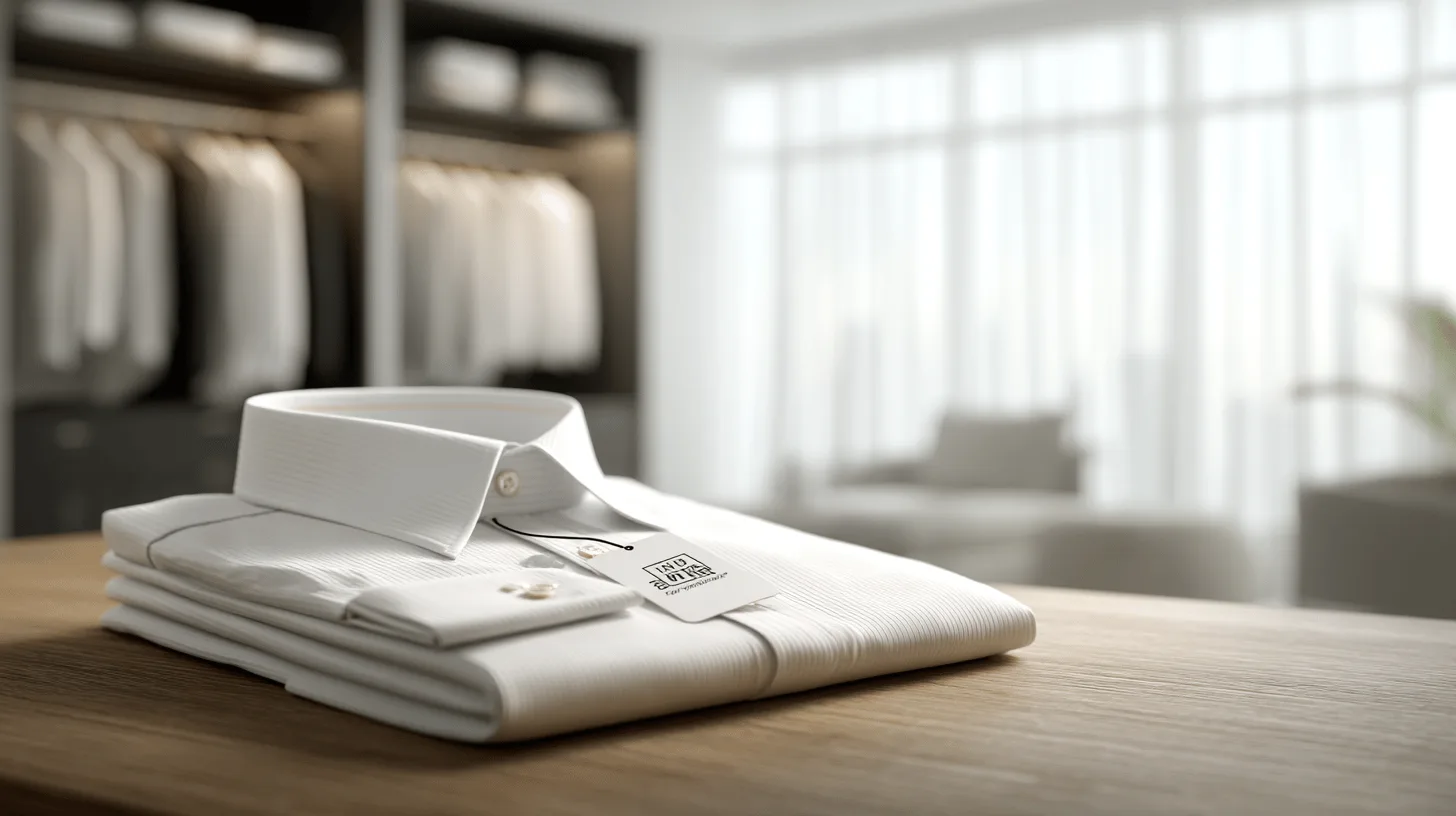
That shirt still has its label on because buying it was easier than finding a reason to wear it. Here is how to stop paying for a wardrobe of good intentions.
Reviewed, edited and approved by Editor-in-chief Daniel Sköld · Updated 24 October 2026
Contents
There is a shirt in your wardrobe for the man who goes to slightly smarter dinners. You bought it for that man. Unfortunately, he has yet to make an appearance. The label is still attached, and the shirt is sharing a hanger with two others bought under similar circumstances.
Unworn clothes are not just clutter. They are money spent on a version of your life that may never turn up. The useful question is not whether you have good taste. It is whether the next purchase will get worn.
AD
Why do we buy clothes we never wear?
Sometimes there is a perfectly sensible explanation: a funeral suit, a raincoat kept for trips, or a dinner jacket worn once every few years. A year without use does not automatically make an item a mistake. But there is a difference between keeping something for a real occasion and keeping it for a life you vaguely imagine having.
In research published in 2022, the UK charity WRAP estimated that the average adult owned 118 items of clothing, with 31 unworn for at least a year. Among the reasons people gave were clothes kept for occasions, clothes that no longer fitted comfortably, and clothes they liked but never chose first. That last category may sound familiar: the shirt is fine; you simply own a better one.
For men in their late forties, fifties and early sixties, the wardrobe can also lag behind the diary. You may have bought office clothes when you went in five days a week, then started working from home. You may still have holiday clothes from a trip that required a different sort of person, or a different sort of weather. Your circumstances changed. The hangers did not.
Sales add their own little trap. A jacket marked down from £120 to £70 feels like £50 saved. If it spends three years in its cover, you spent £70. MoneyHelper suggests pausing for 24 hours before a non-essential purchase and paying attention to the moods or situations that prompt you to shop. That is particularly useful when a sale deadline is trying to do your thinking for you.
How much is your unworn wardrobe costing you?
You do not need to price every sock. Start with the clothes still wearing labels, the awkward-fit purchases and the things you have passed over repeatedly. Add up what you actually paid, not the impressive number crossed out on the ticket. It will give you a figure for money already spent, not a bill you can somehow undo.
Then try cost per wear. An £80 shirt worn once has cost £80 per outing. Wear it 20 times and that falls to £4. A £25 shirt that stays folded in a drawer has cost £25 per outing if it makes it out just once. Expensive is not always wasteful, and cheap is not always economical. The question is whether an item fits the life you actually lead.
The bargain is not the price on the label. It is the use you get out of the thing.
There is an opportunity cost, too, but it is worth keeping the arithmetic honest. If you stop buying one unworn £25 item each month, that is £300 you have not spent after a year, or £1,500 after five years, before any interest or investment growth. It is not a promise about what that money will become. It is simply money available for something else: bills, a holiday, savings, or clothes you would actually put on.
Look at your bank statements rather than guessing your monthly clothing spend. A few larger purchases can disappear in a budget built around small weekly amounts. You need not give up buying clothes; you need a realistic allowance that does not pretend every new purchase is a necessity.
AD
Can you return clothes you have not worn?
If the label is still on, check the receipt and the retailer’s terms now. As at October 2026, the basic change-of-mind rules described by GOV.UK apply across England, Scotland, Wales and Northern Ireland. For something bought in a shop, you do not have an automatic legal right to a refund just because you changed your mind. A retailer may offer one under its own returns policy, so the receipt matters.
For most clothes bought online, by phone or by mail order from a UK retailer, you can tell the seller you want to cancel within 14 days of receiving them, even if nothing is wrong. You then have another 14 days to send them back. There are exceptions, including some made-to-measure items. If you are returning something you bought abroad, check the terms carefully; the position may differ.
Do not confuse a change of mind with a fault. A shirt that arrives damaged or is not as described brings different legal rights, whether it was discounted or not. Nor should you wait for the end of a returns window to decide whether a new jacket works. Try it on promptly, in good light, with the trousers and shoes you would actually wear. The first trial run should not be six months later, just before a wedding.
A return is not free money. You are recovering some of what you spent, and you may have to pay return postage. But it beats leaving a perfectly returnable mistake in the wardrobe until the deadline passes.
Give the old mistake a job, then prevent the next one
Once the return window has closed, sort clothes into three groups: wear, repair or alter, and move on. Be fairly ruthless with the last pile. If you have owned a jumper for two winters and still reach for another one, a third winter is unlikely to reveal its hidden genius.
There are exceptions. An alteration might turn a good jacket into one you use. A repaired favourite may cost less than replacing it. But get a quote before spending more on a garment you were already avoiding. Fixing a loose button is one thing; rebuilding an entire purchase around a fit that was wrong from day one is another.
Sell clothes with some resale value if the likely return justifies the photographs, messages, packing and postage. Otherwise, donate clean, wearable items. WRAP has urged people to use charity shops and textile collection routes rather than put unwanted textiles in general waste. Neither option recovers the original price, but both free up space and let someone else use the clothes.
There is no new tax simply for selling your old shirts online. For the 2026–27 tax year, HMRC’s guidance says selling personal possessions such as your own clothes is unlikely to create an Income Tax bill. Buying items specifically to resell for profit is different: that can be trading. If your clear-out starts looking like a business, check HMRC’s guidance rather than relying on something a stranger said in a marketplace message.
Before buying anything else, ask three unglamorous questions. Where would I wear it in the next month? What do I already own that goes with it? Which item would I choose instead? If you cannot answer the first two, or the answer to the third is always another shirt, leave it. The shop will cope.
In short
Clothes you never wear cost whatever you paid for them, however persuasive the discount looked. Check whether you can return them, then consider altering, selling or donating the rest. For future purchases, buy for your actual diary and wardrobe, not an imagined occasion.
Andrew Ingram writes about money for men 45 and over – the years when retirement starts to feel real and the decisions get bigger. Pensions and retirement planning, investing, savings, mortgages and tax: what changed, what it means for your plans and what's worth doing about it. No hype, nothing to sell, and a clear steer on when it pays to get personal advice.
One of Midcent's writers. Spotted something? Write to andrew@midcent.uk.
Loss aversion, overconfidence and the sunk cost fallacy cost more than most fees do. Here’s how to spot your own thinking traps before they reach your pension or ISA.