For years, diabetes came in two main types. Type 1 was the one children got. Type 2 was the one you got from too many biscuits. That is tidy, and it is also a bit lazy.
Researchers now suggest that adult diabetes may come in five groups, each with its own risks. One of them can do serious damage while your blood sugar results look only mildly worrying. If you’re a man over 45 and haven’t had a blood test in a while, read on.
What are the five types of diabetes?
The idea comes from a 2018 study in The Lancet Diabetes & Endocrinology. Researchers in Sweden and Finland looked at thousands of newly diagnosed adults. Instead of sorting them into type 1 and type 2, they grouped them by age at diagnosis, body mass index, blood sugar control, how well the body made insulin, how well it responded to insulin, and whether there were autoimmune antibodies.
That produced five clusters:
Severe autoimmune diabetes. This is broadly type 1 and its slower-onset adult form, often called LADA. The immune system attacks the cells that make insulin.
Severe insulin-deficient diabetes. These people are often fairly young and not especially heavy, but their bodies struggle to make enough insulin. This group had the highest risk of eye damage (retinopathy).
Severe insulin-resistant diabetes. These people are usually heavier. Their bodies make plenty of insulin, but their cells barely respond to it. This group had a much higher risk of kidney disease.
Mild obesity-related diabetes. It’s linked to carrying a lot of weight, with a gentler course.
Mild age-related diabetes. It’s diagnosed later in life, with modest changes in blood sugar. This was the largest group.
Only the first group is type 1. The other four would all be called type 2 at a typical GP surgery.
Which group is easy to miss?
The one to watch is severe insulin-resistant diabetes.
Diabetes is usually picked up with a blood sugar test, most often the HbA1c test. It shows your average blood sugar over the past two to three months. People in the insulin-resistant group can keep their blood sugar fairly under control for a long time, because the pancreas works overtime and pumps out more and more insulin. So the HbA1c result may sit in the borderline range, or only just over the line for diabetes, and nobody worries much.
Meanwhile, the high insulin and the problems that come with it, such as raised blood pressure, fatty liver and unhealthy blood fats, can quietly damage your kidneys and blood vessels. A routine check looks at blood sugar. It doesn’t measure how much insulin your body has to make to keep that number down, so this group can look less serious than it is.
A borderline blood sugar result can still hide serious risks. Find out where you stand, and get your kidneys checked too.
The slimmer, insulin-deficient group can be missed too, for a different reason. If you’re not overweight, neither you nor your doctor may think of diabetes at all.
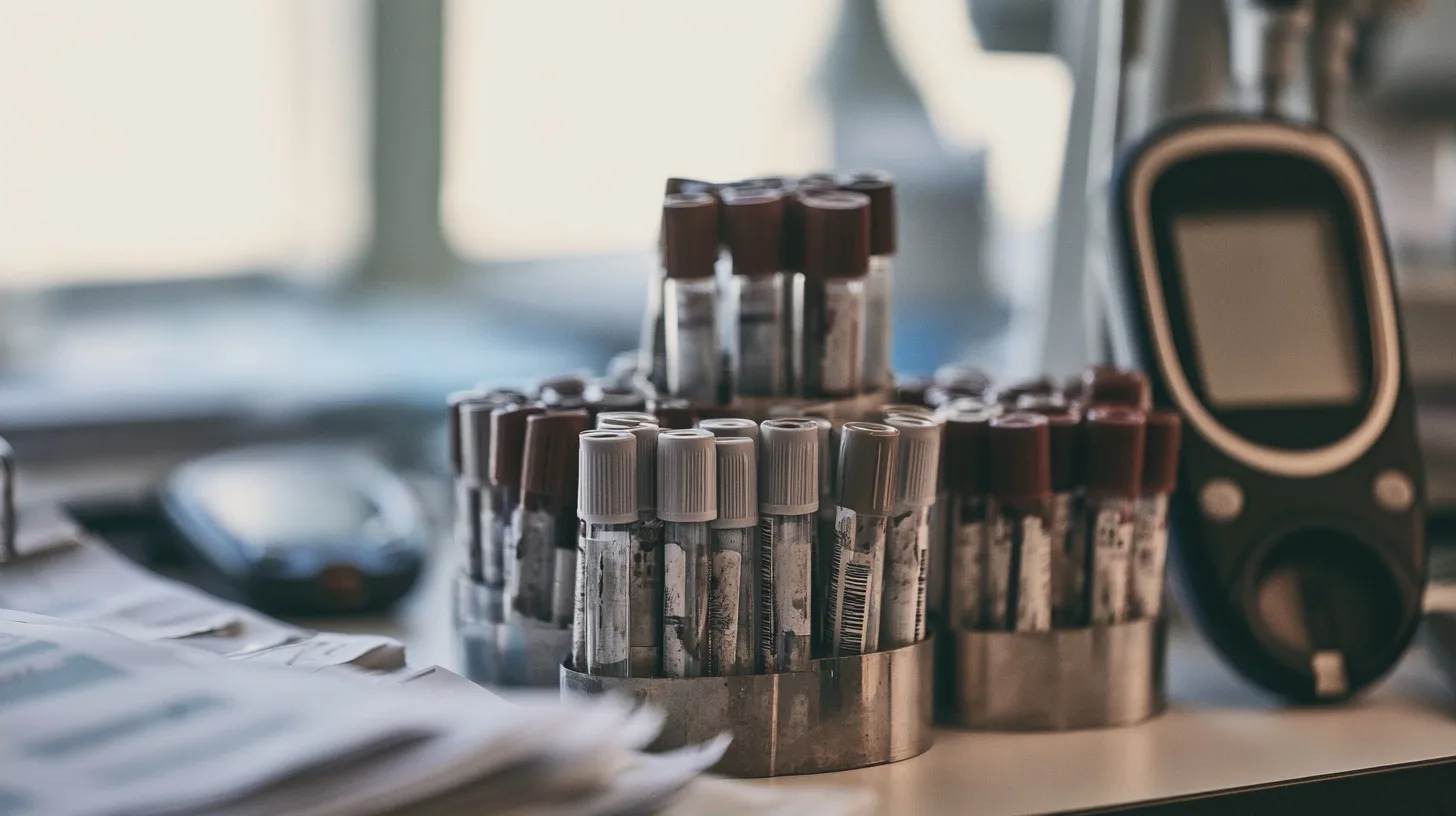
Will the NHS test which type I have?
Not as standard. The five clusters are a research tool, not an NHS diagnosis, and the evidence on how useful they are is mixed. Some researchers have argued that simple facts already on your GP record, such as your age at diagnosis, your weight, your kidney function and how your blood sugar has changed, predict who will do badly about as well as the clusters do. Others found that people move between groups over time.
So don’t go asking for a cluster label. The useful message is simpler: type 2 diabetes is not one disease with one outlook, and the same HbA1c number can mean different things in different people.
In practice, the NHS already looks for much of this. Once you’re diagnosed, your annual diabetes review should include kidney checks (a blood test for kidney function and a urine test for protein), blood pressure, cholesterol, an eye screening invitation and a foot check. If any of these are missing, ask why.
If you’re slim, diagnosed in midlife and your blood sugar is rising fast despite treatment, it’s reasonable to ask your GP whether autoimmune diabetes has been ruled out. That’s a question for them, not something to decide yourself.
How do I get checked for diabetes in the UK?
The main test is HbA1c. In the UK, a result of 48 mmol/mol or above usually points to diabetes, normally confirmed with a second test. A result of 42 to 47 mmol/mol puts you at high risk of type 2 diabetes, which is often called prediabetes.
In England, the free NHS Health Check is offered every five years to adults aged 40 to 74 who don’t already have certain conditions, such as diabetes or heart disease. It includes a diabetes risk assessment, though a blood sugar test isn’t always part of it. If you’re invited, go. If you haven’t been invited, ask your GP practice. Scotland, Wales and Northern Ireland don’t run the same five-yearly programme, so ask your GP practice directly about a check.
Wherever you live, Diabetes UK’s free online Know Your Risk tool takes a few minutes. It asks about your age, ethnicity, family history, waist size and blood pressure. Your waist matters more than many men expect. A big belly with fairly slim arms and legs is a classic sign of insulin resistance. If you’re of South Asian, African-Caribbean or Black African heritage, your risk starts at a lower weight and a younger age.
Don’t wait for symptoms, but don’t ignore them either: being very thirsty, peeing more than usual (especially at night), feeling tired, losing weight without trying, blurred vision, itching around the penis or repeated thrush, and cuts that heal slowly. See your GP if any of these sound familiar. If you feel very unwell, call NHS 111. In an emergency, call 999.
What if my result is borderline?
This is where it pays to act. In England, if your HbA1c is 42 to 47 mmol/mol (or your fasting blood sugar is in the high-risk range), your GP can refer you to the NHS Diabetes Prevention Programme, also known as Healthier You. It’s free, lasts about nine months, and covers food, activity and weight, either in a group or through a digital service. Ask about it. Not every practice suggests it.
The rest of the UK has its own weight management and prevention services, which vary by area, so ask your GP practice what’s available locally.
The good news is that insulin resistance responds well to what you do. Losing weight, particularly fat around your middle, makes a real difference. For a man of 15 stone (about 95kg), a 5% loss is roughly 4.75kg, or about 10lb. Regular activity, including resistance training, helps your muscles take up sugar. Sleep and alcohol matter more than most of us would like.
None of this needs a test for which of the five groups you’re in. It just needs you to find out your numbers.
In short
Research suggests adult diabetes falls into five groups with different risks, and the severe insulin-resistant group can damage the kidneys while blood sugar results look only borderline. The NHS doesn’t test for these groups, but you can ask for an HbA1c test, make sure your kidneys are checked if you’re diagnosed, and ask about the NHS Diabetes Prevention Programme if your result is 42 to 47 mmol/mol. If you’re 40 to 74 in England, take up your free NHS Health Check.
Sources

Midcent Health
Adrian Irving writes about health for men 45 and over who would rather do something than worry. Training, weight loss, sleep, cholesterol and blood tests, heart health, testosterone, the prostate, mental health and your sex life – what the evidence says, what's worth trying, and when it's time to see your GP.
One of Midcent's writers. Spotted something? Write to adrian@midcent.uk.